

This website uses cookies so that we can provide you with the best user experience possible. Cookie information is stored in your browser and performs functions such as recognising you when you return to our website and helping our team to understand which sections of the website you find most interesting and useful.
Kaniv Territorial Community
Cherkasy
Population:
The community is located in the Cherkasy Raion, Cherkasy Oblast. The distance to Cherkasy is 75 km, and to Kyiv is 150 km. Total area: 228.32 sq km.
The community comprises the city of Kaniv (administrative centre) and 10 rural settlements.
As of 1 January 2025, the community’s population is 27,509 people, including:
Including:
Men: 12,321
Women: 15,188
Internally displaced persons (IDPs): 4,012
History
The first chronicle mention of Kaniv dates back to 1078.
The city was on the “Route from the Varangians to the Greeks”, which was an important trade artery of the Kyivan Rus.
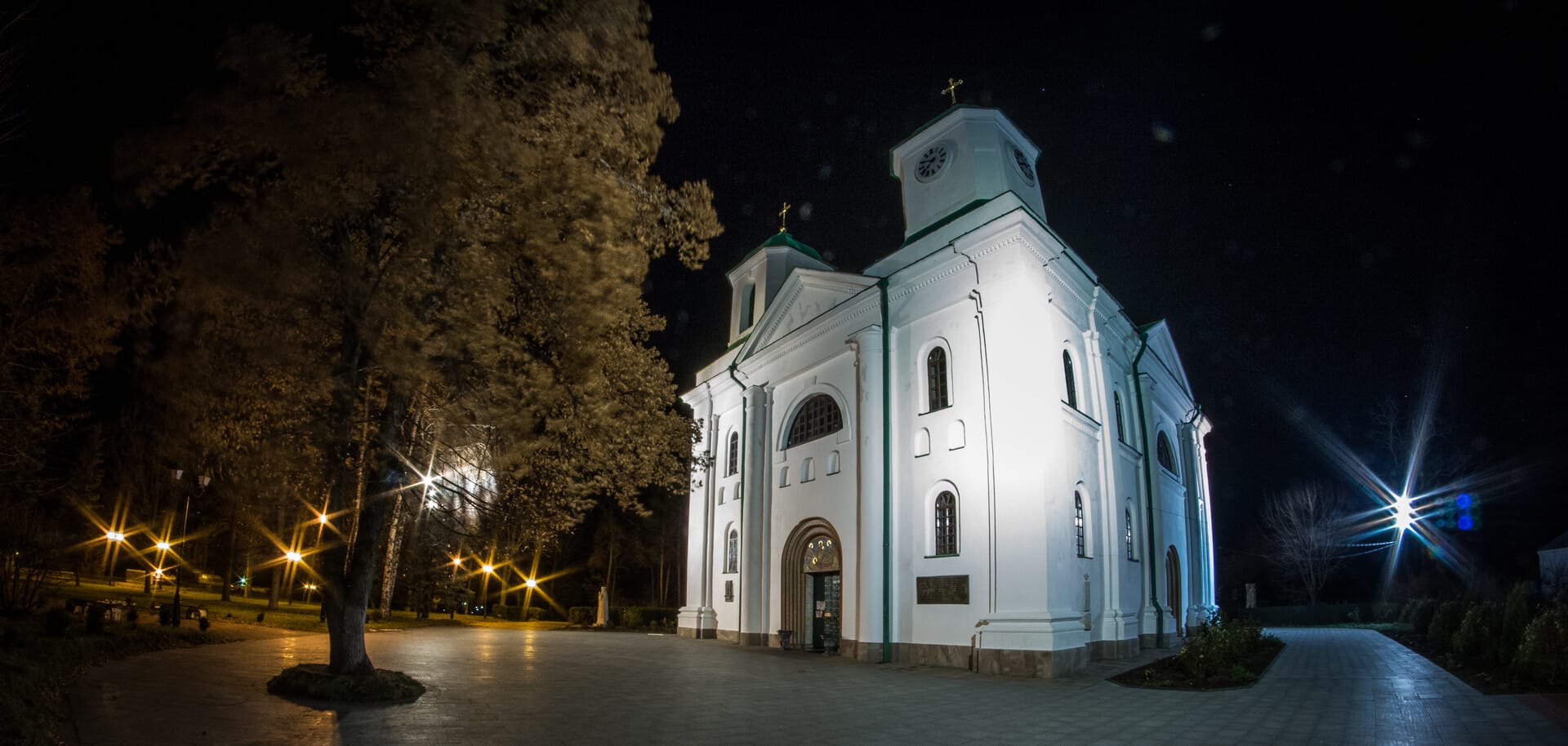
Kaniv was also mentioned in 1144, when Prince Vsevolod of Kyiv founded the Church of St George, the modern Assumption Cathedral. It is the only building in the Cherkasy region that has survived from the times of Kyivan Rus.
In 1787, Polish Prince Stanisław Poniatowski built a brick building near the cathedral – a school of the Basilian Order, which today houses the Museum of Folk Decorative Art.
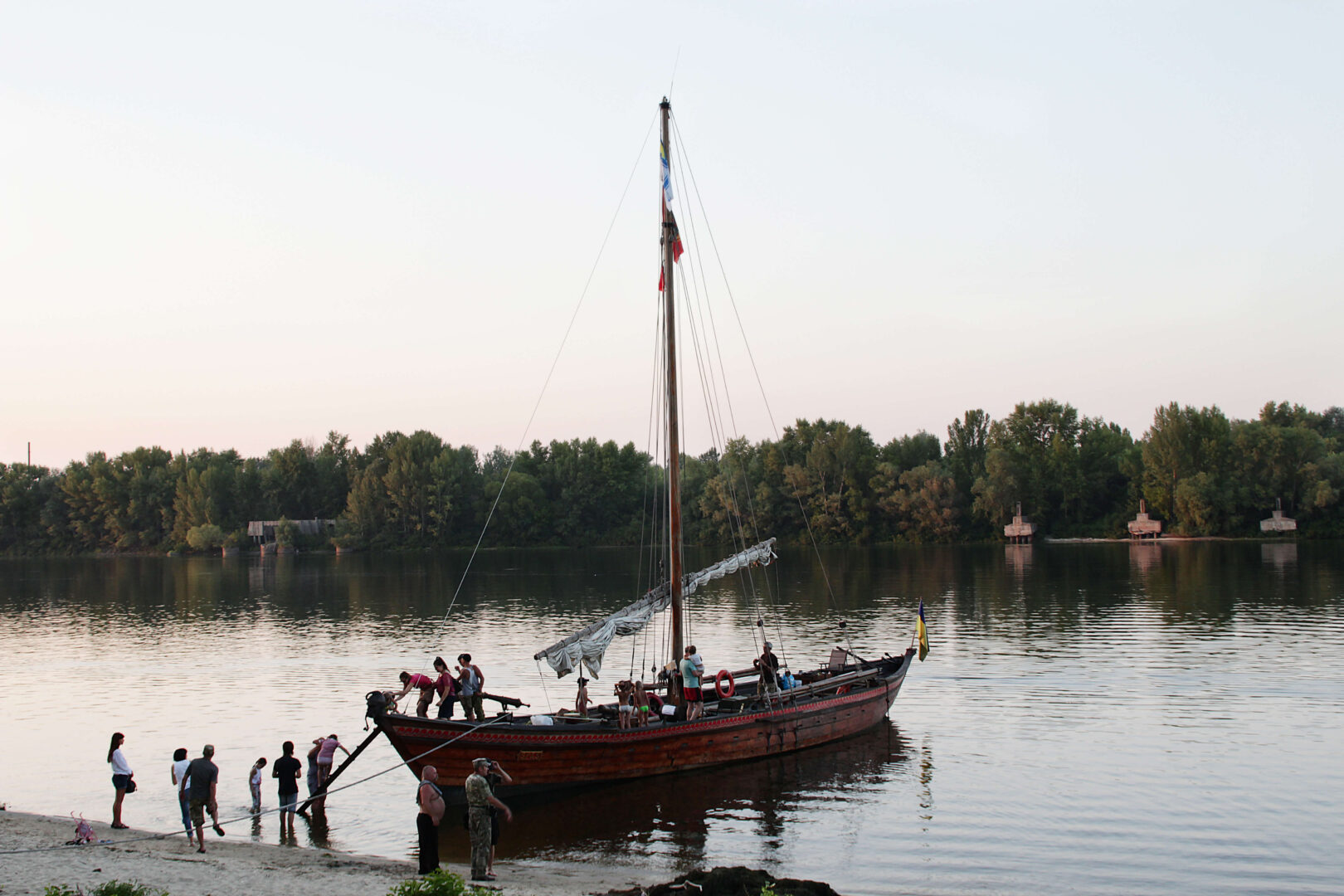
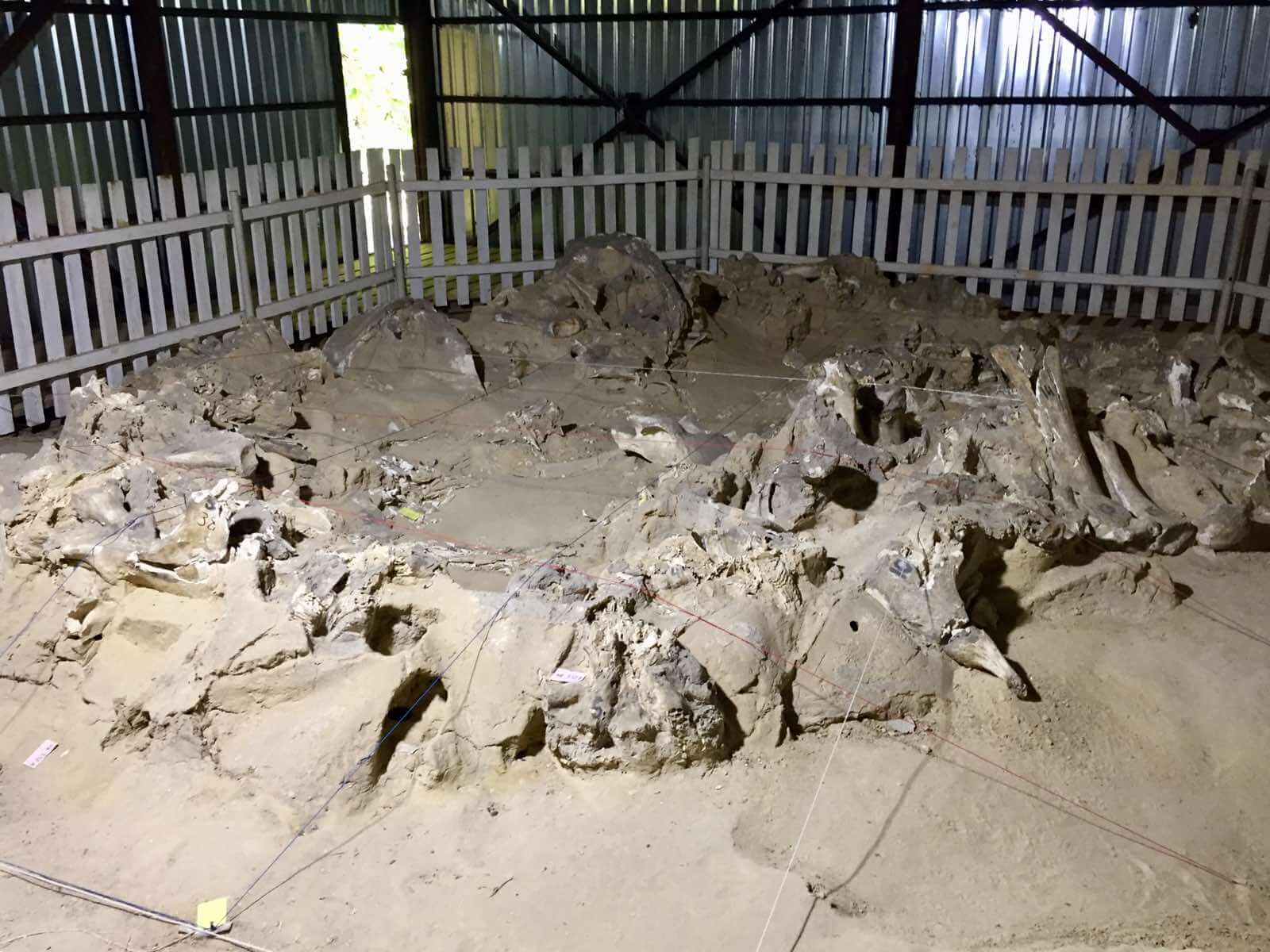
In 1601, Kaniv was granted Magdeburg rights.
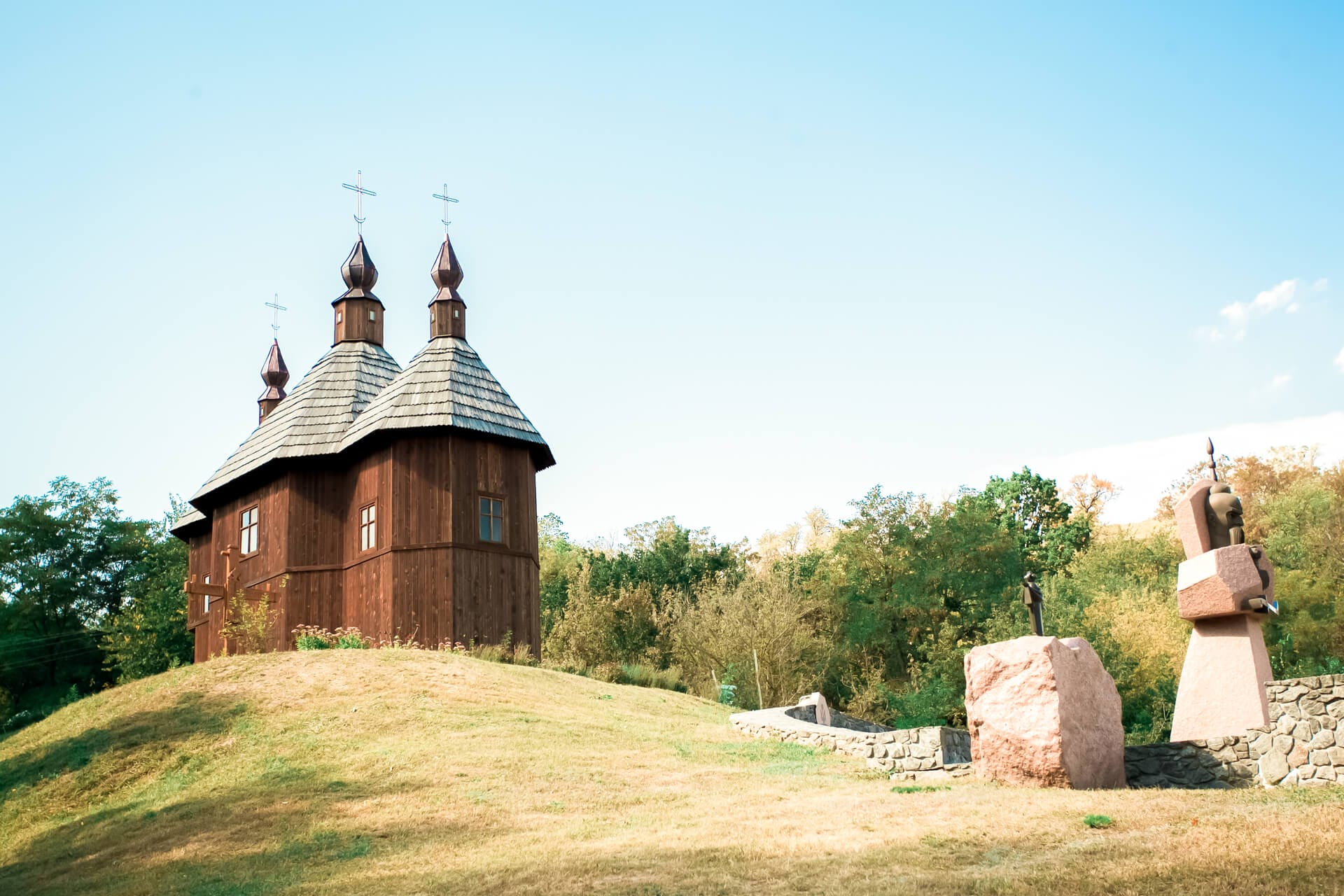
The Cossack Church of the Intercession of the Blessed Virgin Mary, reconstructed in 2014 on the site of the former monastery, corresponds to the drawing of the French artist Munz.
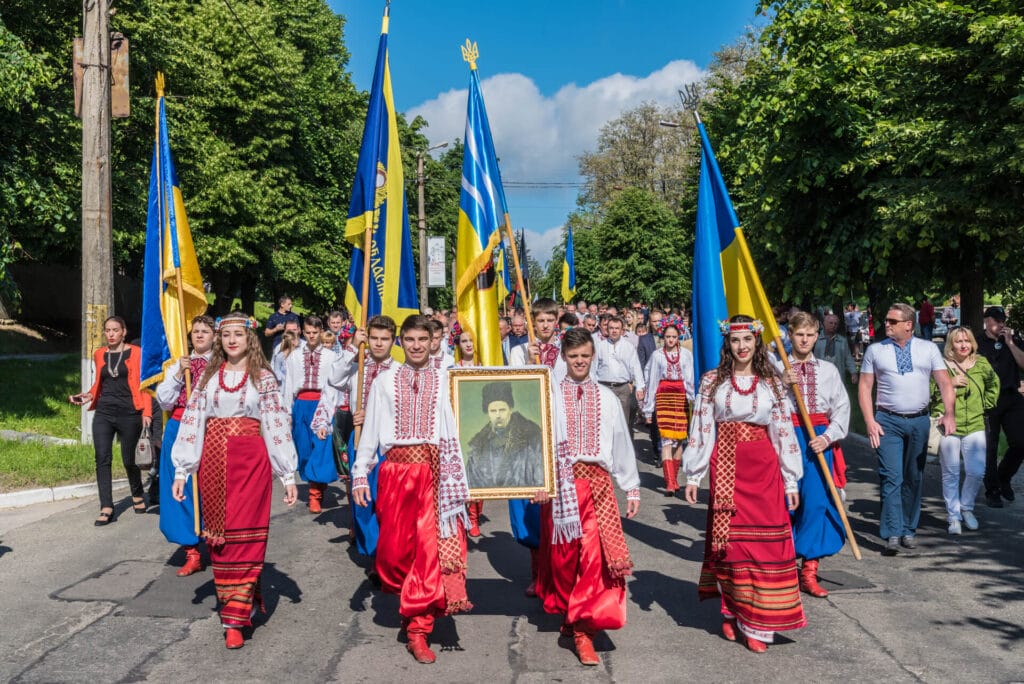
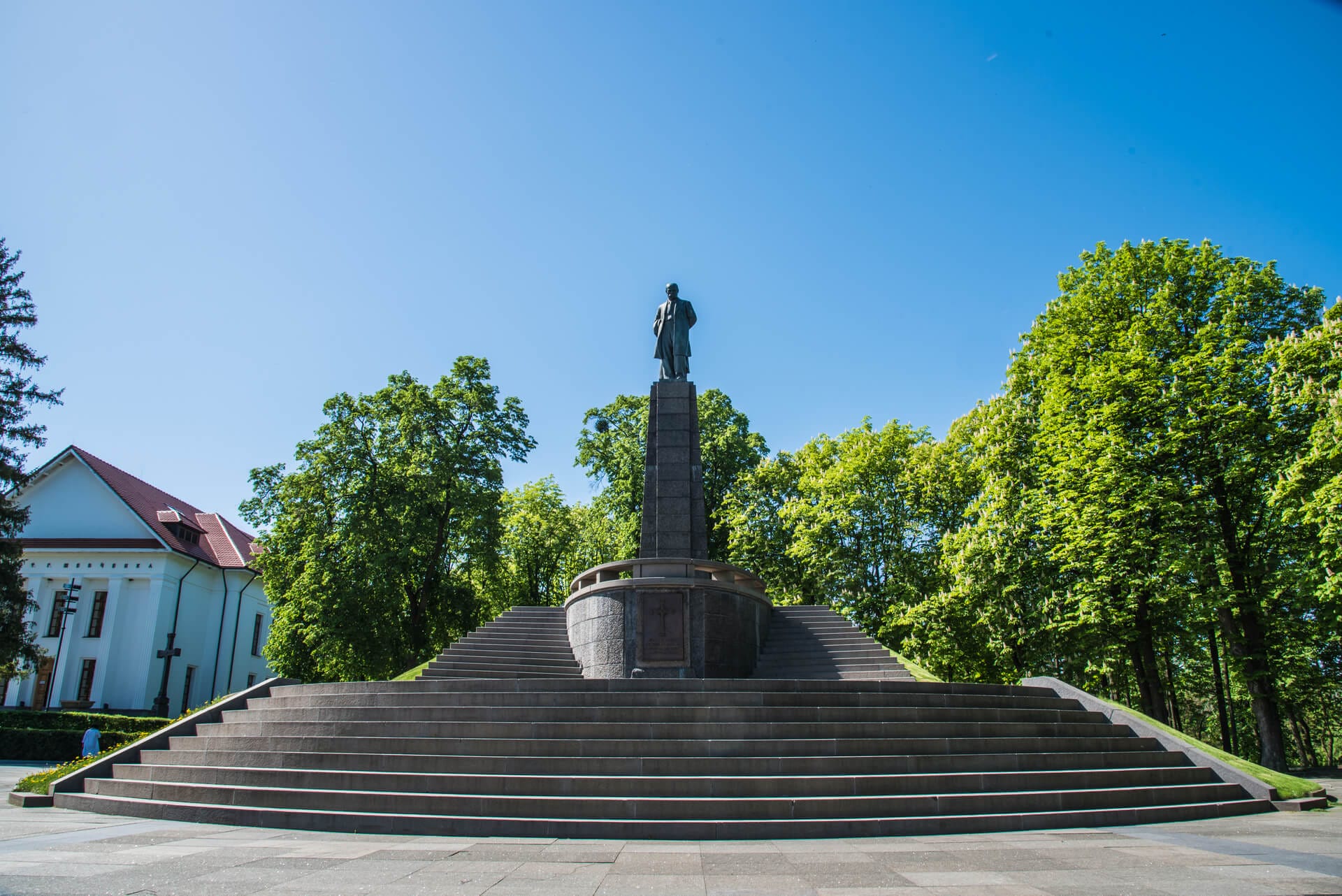
On 22 May 1861, the world-famous poet Taras Shevchenko was buried on Chernecha Hill, whose coffin was brought by his friends and relatives from St Petersburg, where he had died on 10 March 1861. Since then, the city has become the spiritual centre of the whole of Ukraine. In 1925, the area near the tomb became the Shevchenko National Reserve.
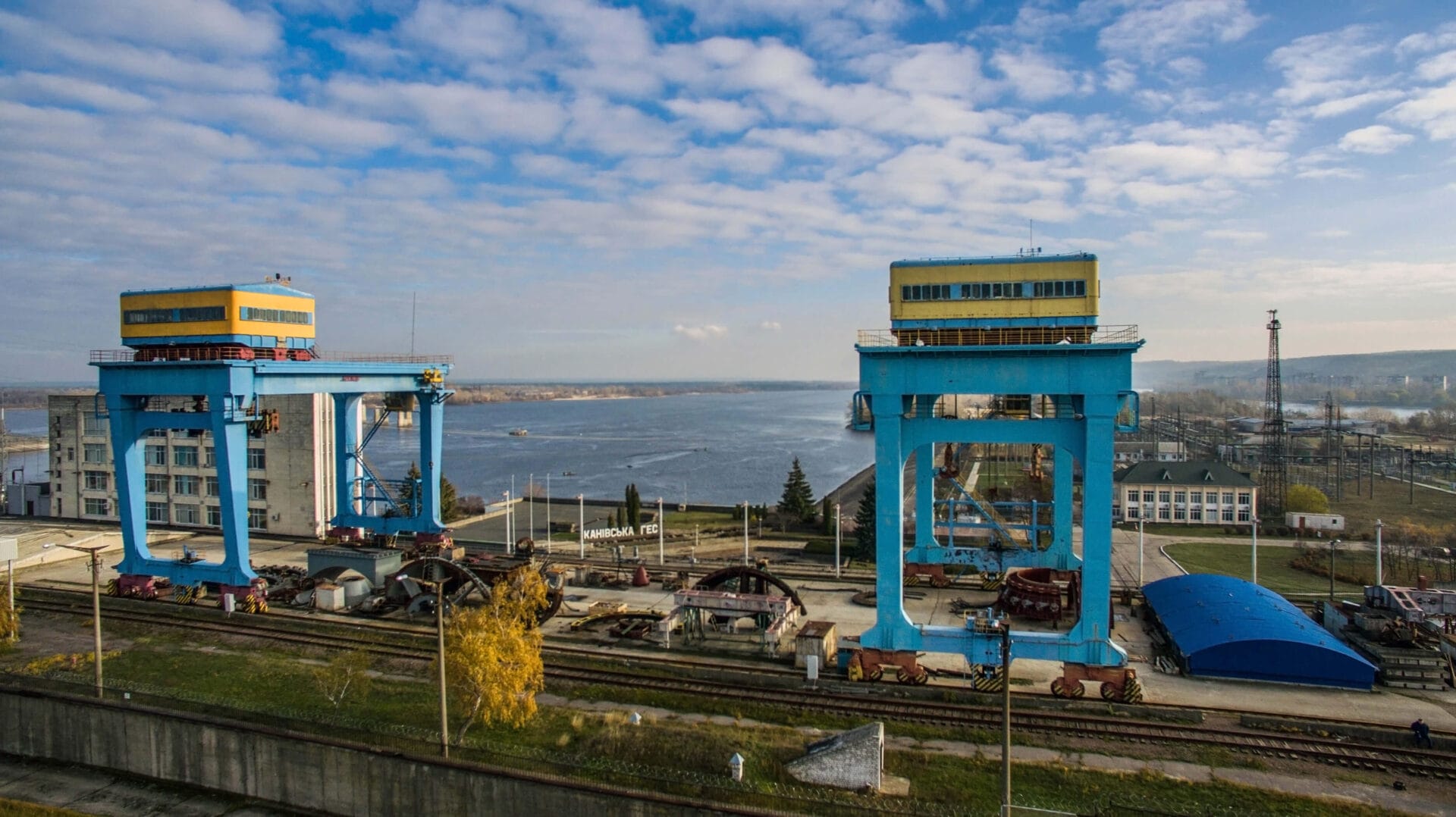
The construction of the Kaniv HPP in the early 60s of the 20th century opened a new period in the city’s history. The city centre of Kaniv has shifted from the historic upland area downward to a newly reclaimed square, now named after Taras Shevchenko.
Economy and Welfare
Kaniv Community has a significant economic potential based on a number of important sectors, such as industry, agriculture, tourism and services.
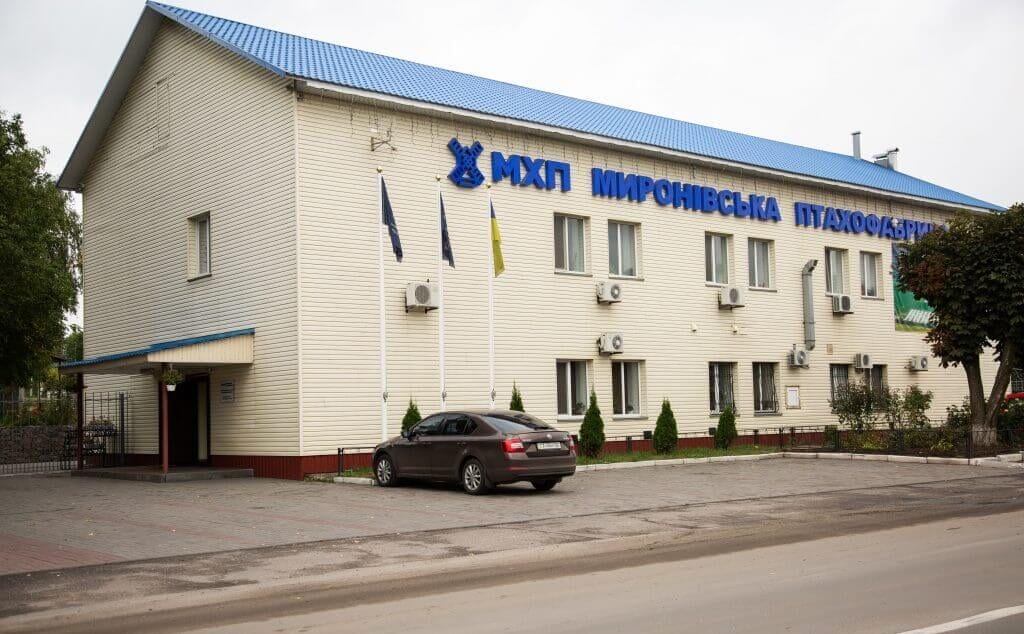
Kaniv’s industrial complex is significantly concentrated in the main 15 enterprises operating in the city, 8 of which are considered to be economically significant.
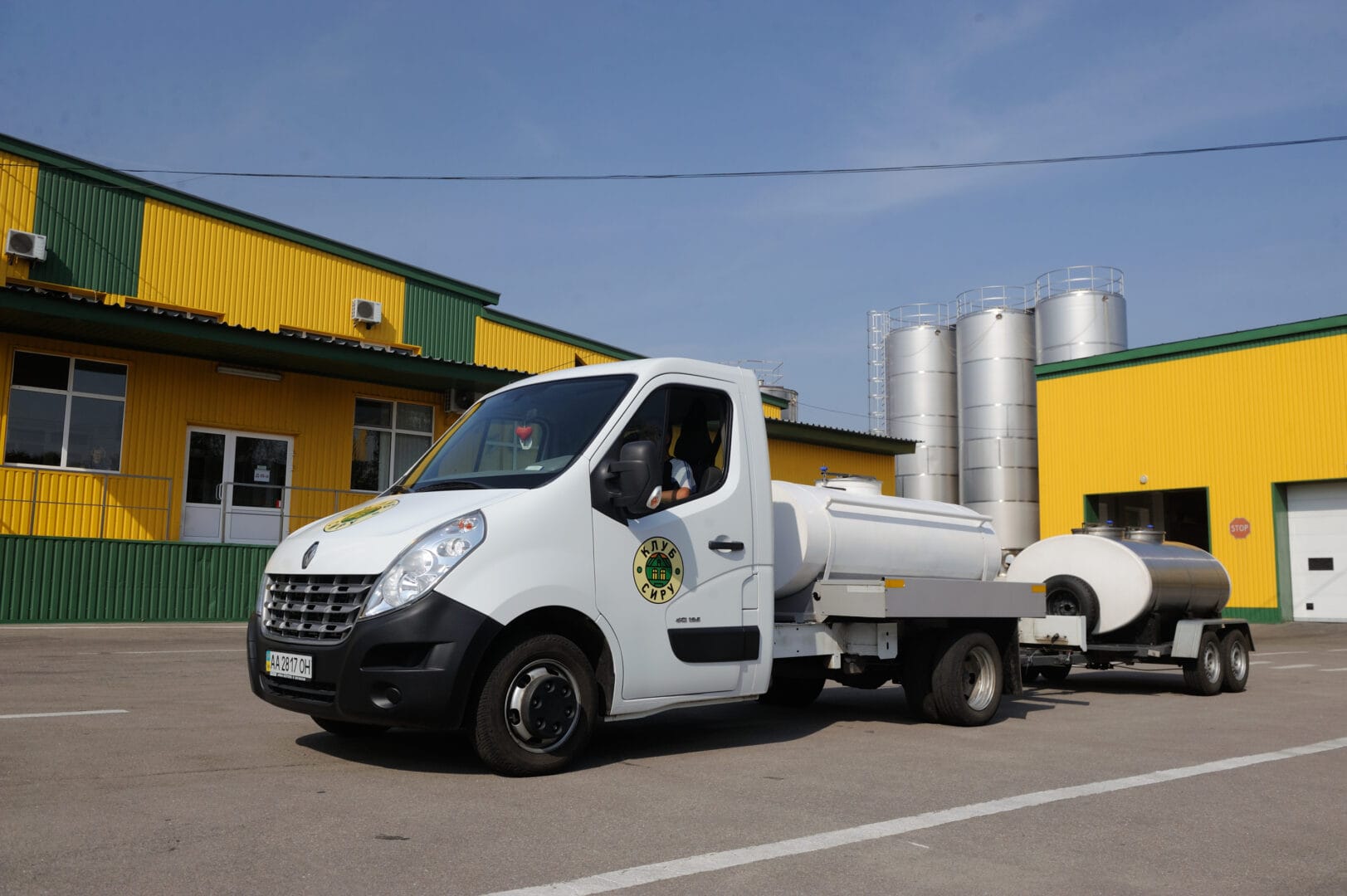
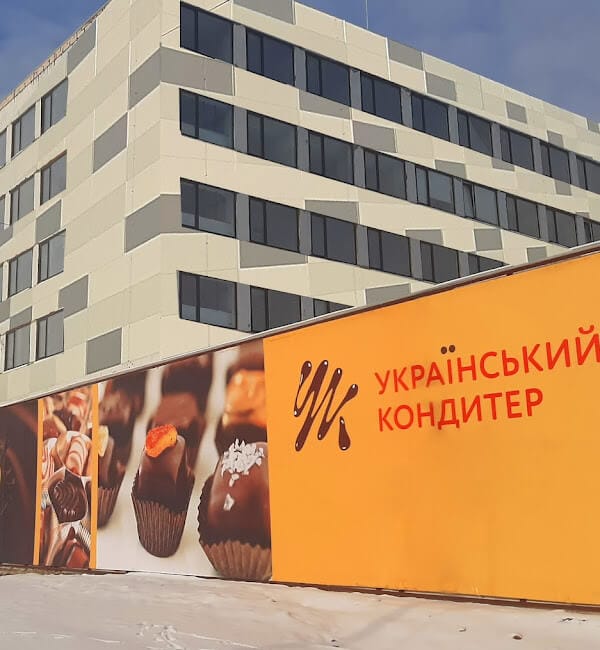
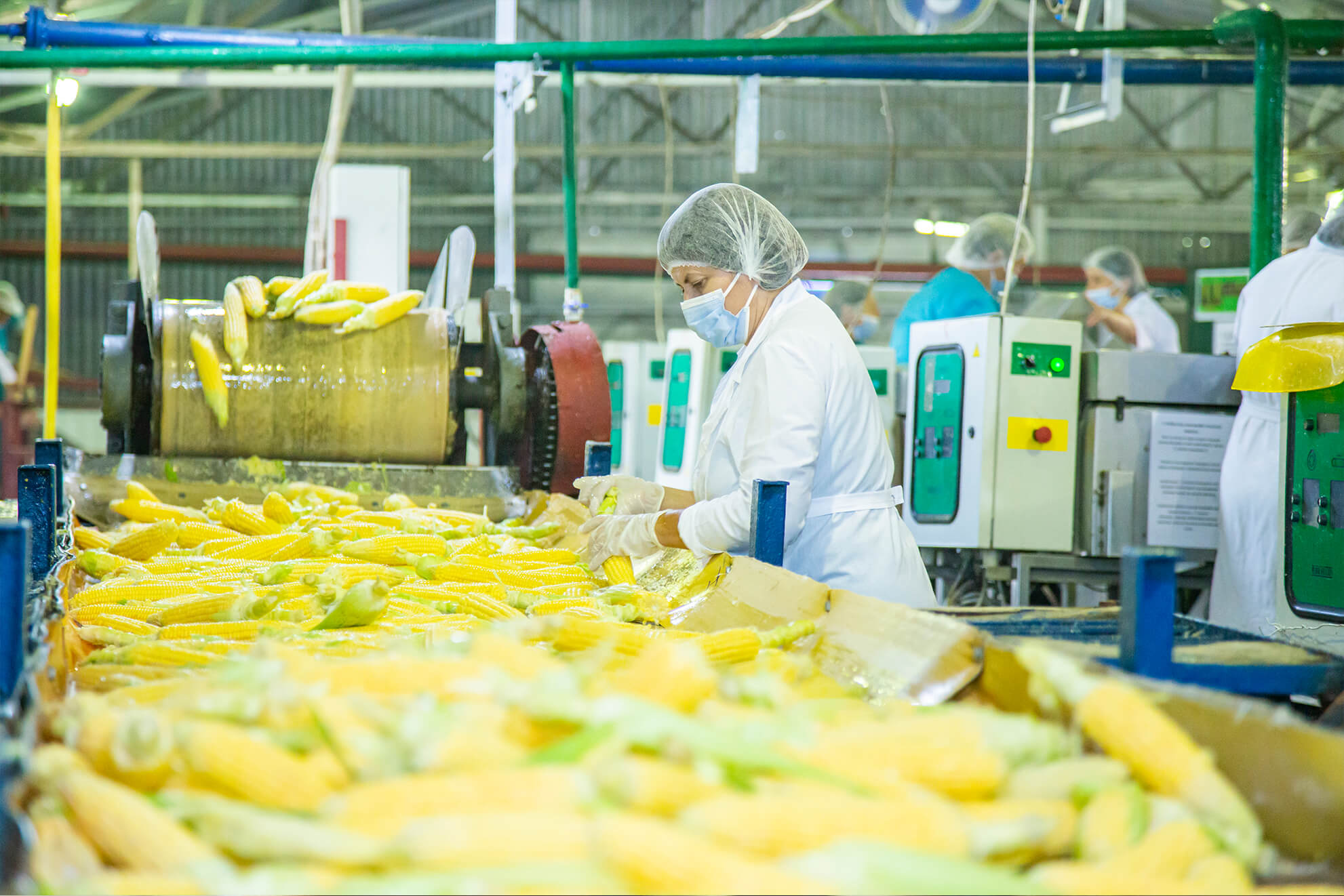
Small businesses are primarily engaged in production activities in the metalworking, food processing, paper, woodworking, transport, trade and construction sectors.
In addition, 9 agro-industrial enterprises and 6 farms successfully operate within the community.
There are 1,500 registered business entities in the community in the areas of production, trade and services.
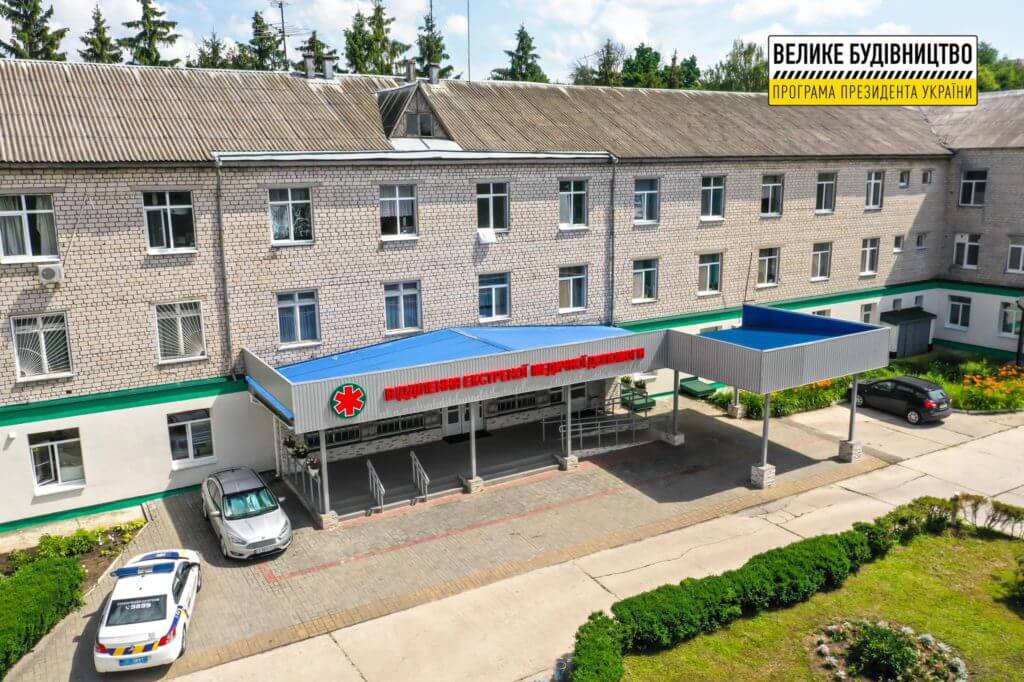
The Kaniv Community has a developed healthcare system covering both primary and secondary healthcare. The main medical institutions of the community are the Kaniv Primary Healthcare Centre and the Kaniv Multidisciplinary Hospital, which offer a wide range of medical services. In addition, the Kaniv Emergency Medical Substation is located on the territory of the community.

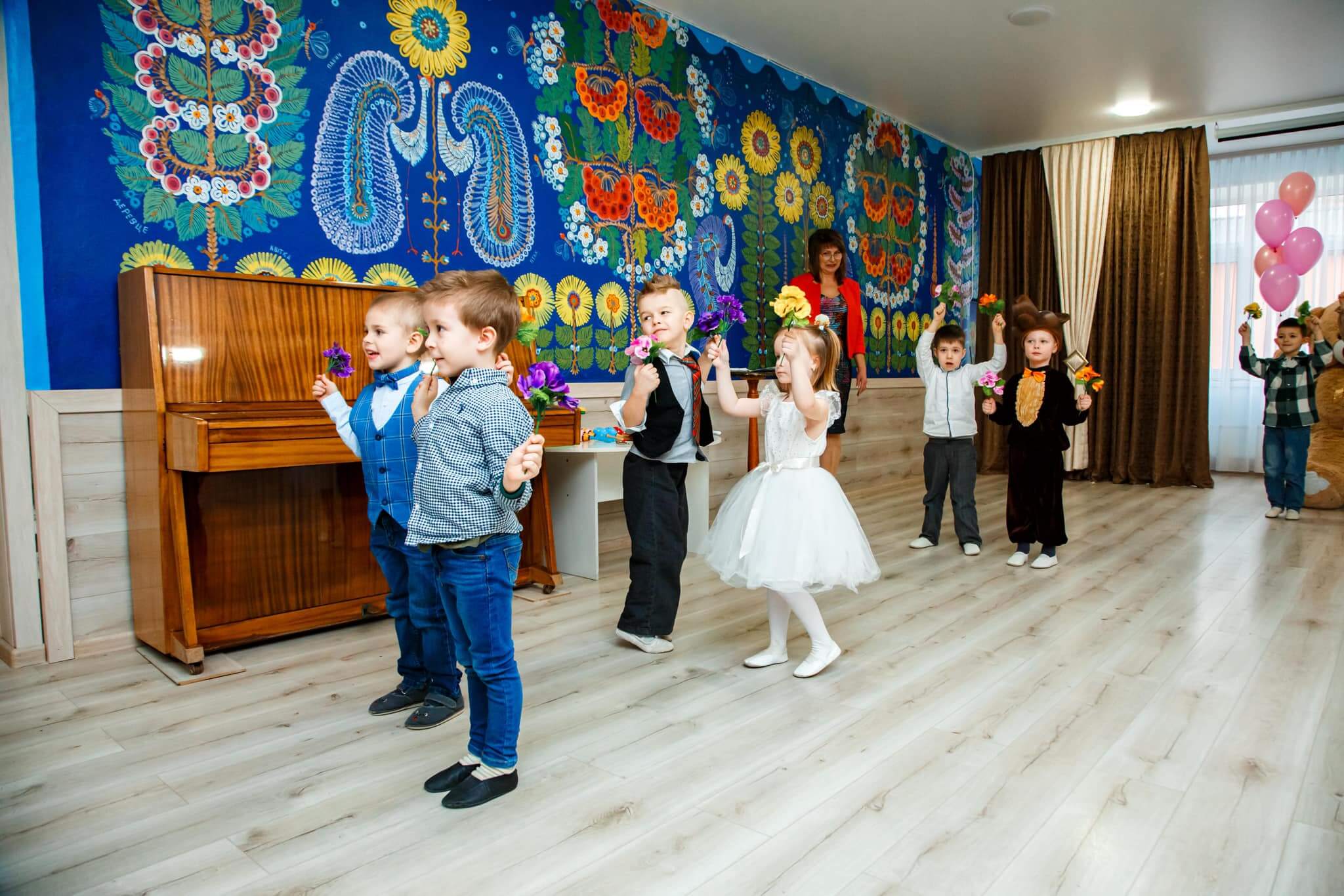
Quality education is a priority for the community. It is represented by a wide network of educational institutions, including four general education schools, one specialised school with in-depth study of foreign languages, two lyceums, a gymnasium, an academic lyceum ‘’Harmonia‘’, nine kindergartens, three out-of-school institutions, a vocational school, two institutions of professional higher education, and a children’s art school.

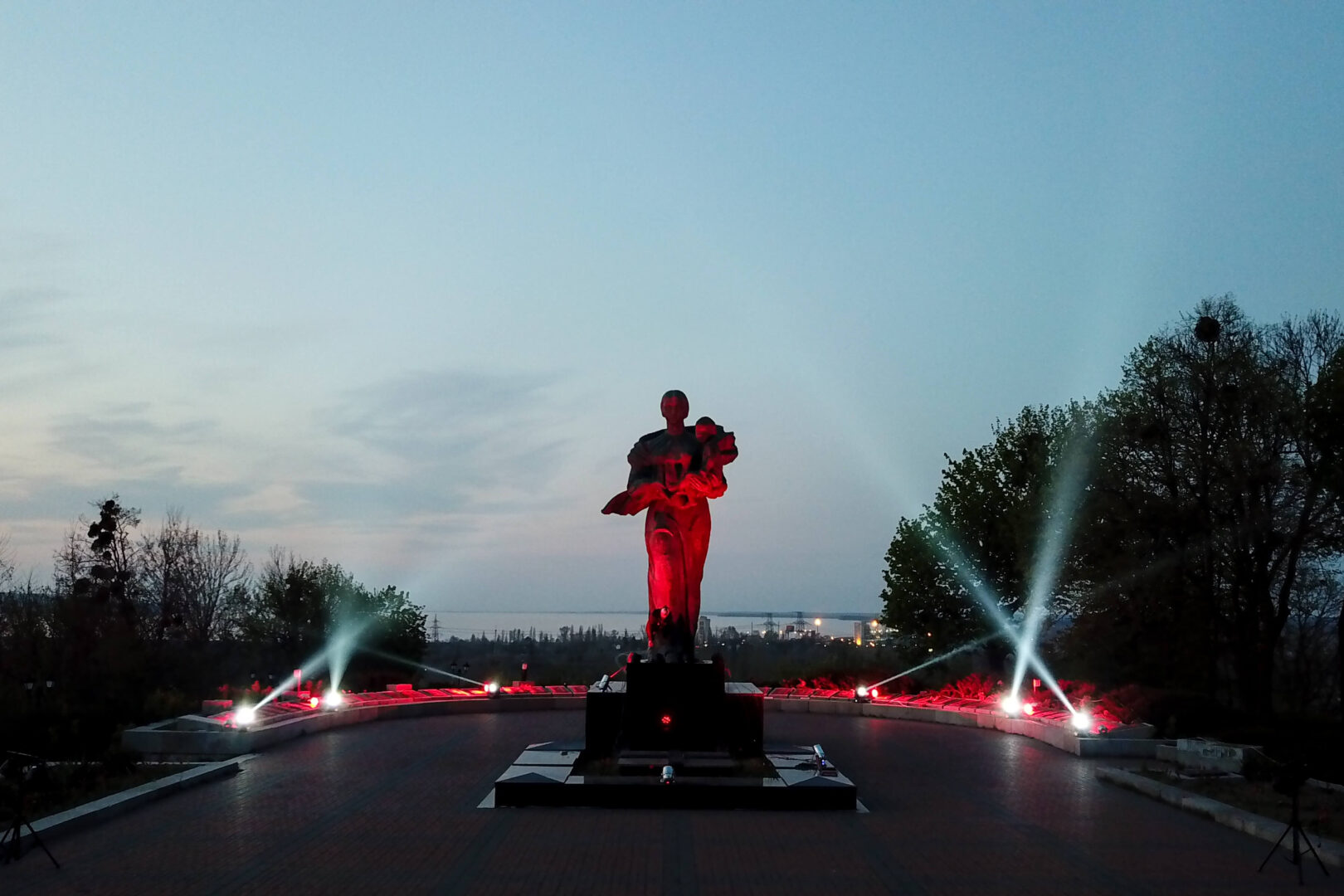
The Kaniv Community also has great tourism potential. The city is famous for its deep history, natural beauty and monuments, in particular, many tourists are interested in the burial place of Taras Shevchenko. This place has become a symbol of national identity, and thousands of tourists come here every year to honour the memory of the great poet.

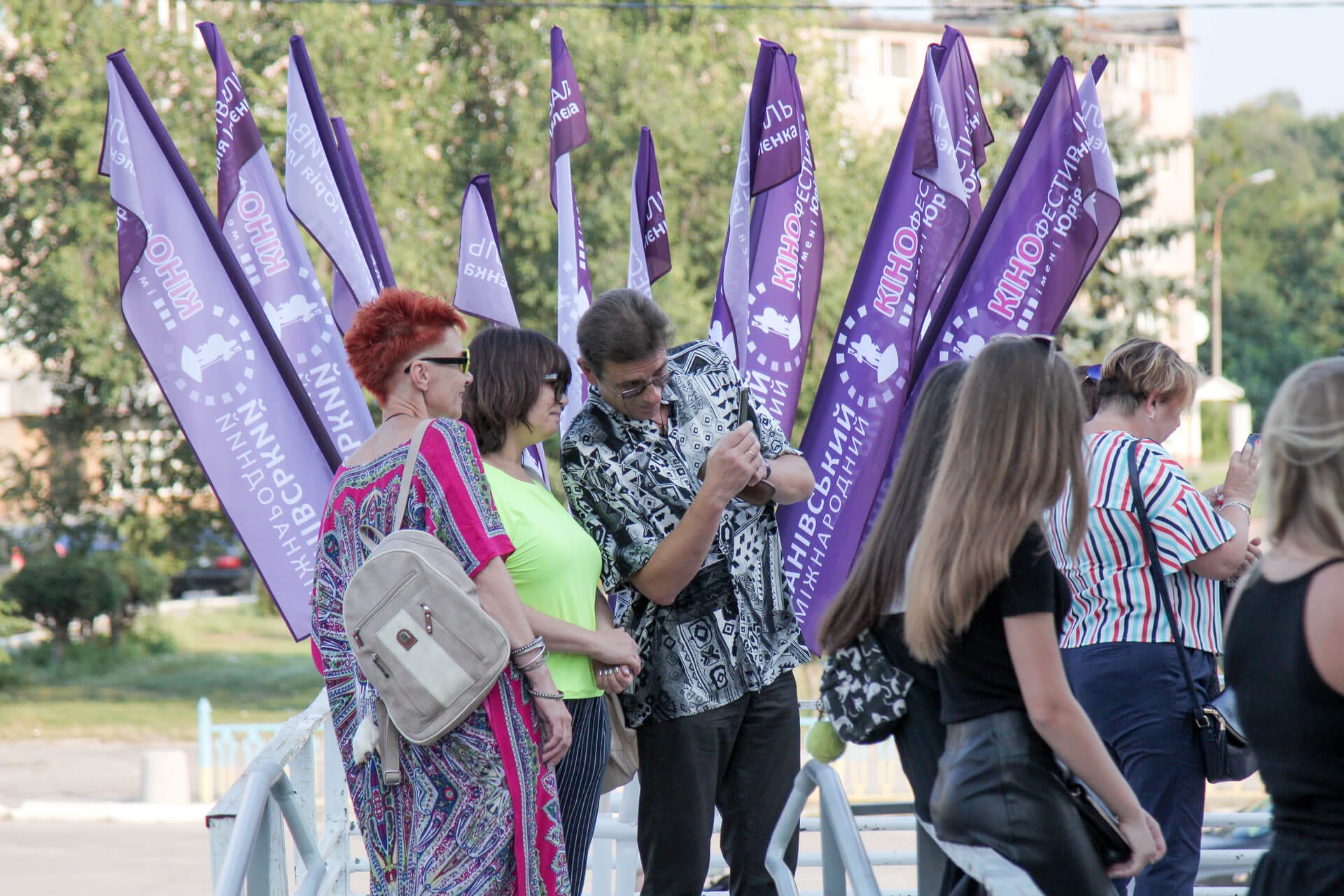
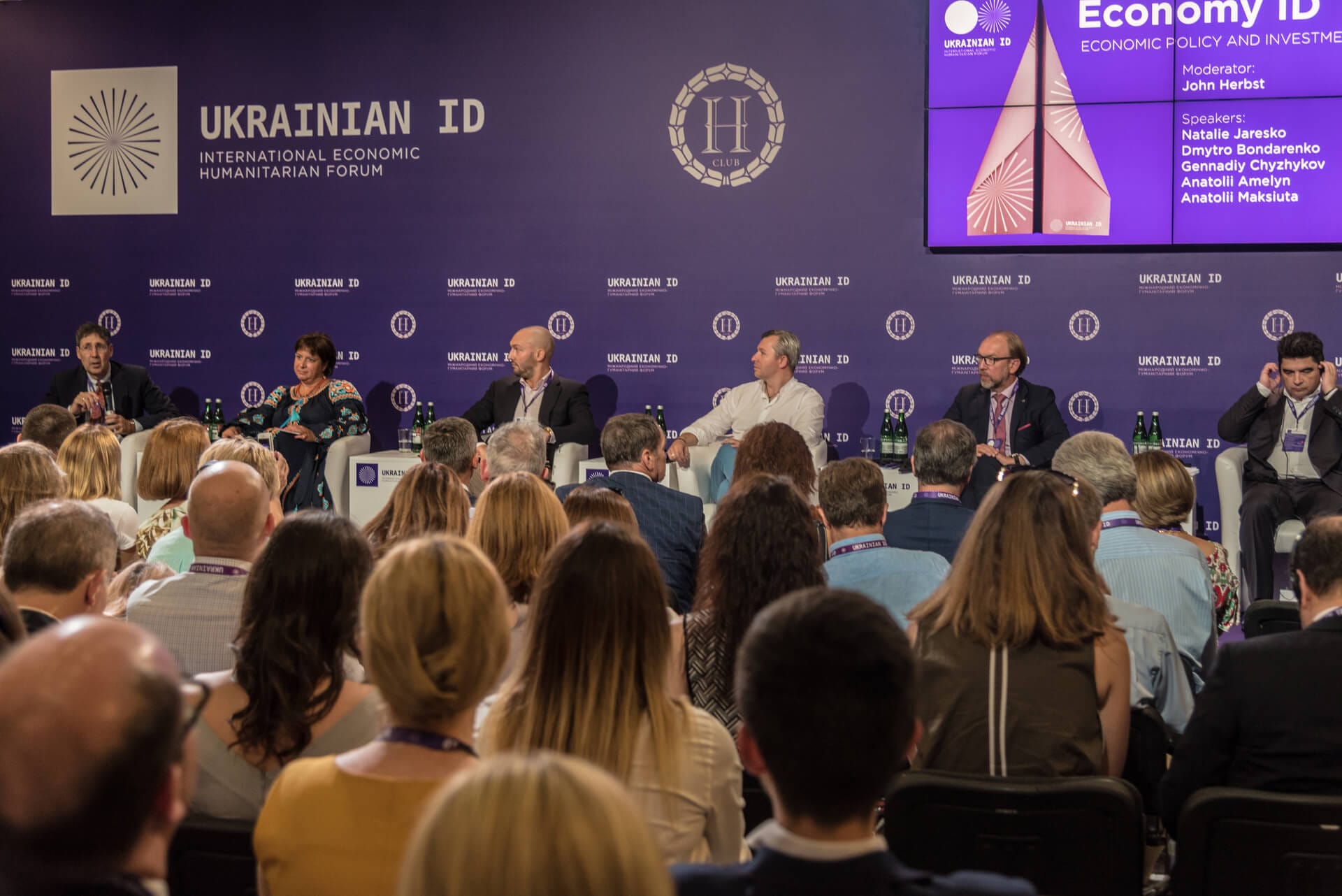
Prior to the full-scale invasion, the community was actively developing event tourism, attracting visitors from different regions and even abroad. The key events included the following:
- International Economic and Humanitarian Forum Ukrainian ID;
- Yurii Illienko Kaniv International Film Festival;
- Dniprovski Hvyli Festival of Creativity for People with Disabilities;
- Tarasova Hora Biker Festival;
- Pidkova All-Ukrainian Cossack Festival;
- KANIVBEERFEST Craft Beer Festival.
The Community and the War
From the first days of the war, thousands of internally displaced persons began to arrive in Kaniv. Therefore, a humanitarian aid collection point was organised at the city council, where local residents brought food, clothing, medicines and other necessary items for military and civilians affected by the war. Today, more than 4,000 internally displaced persons permanently live in the community.
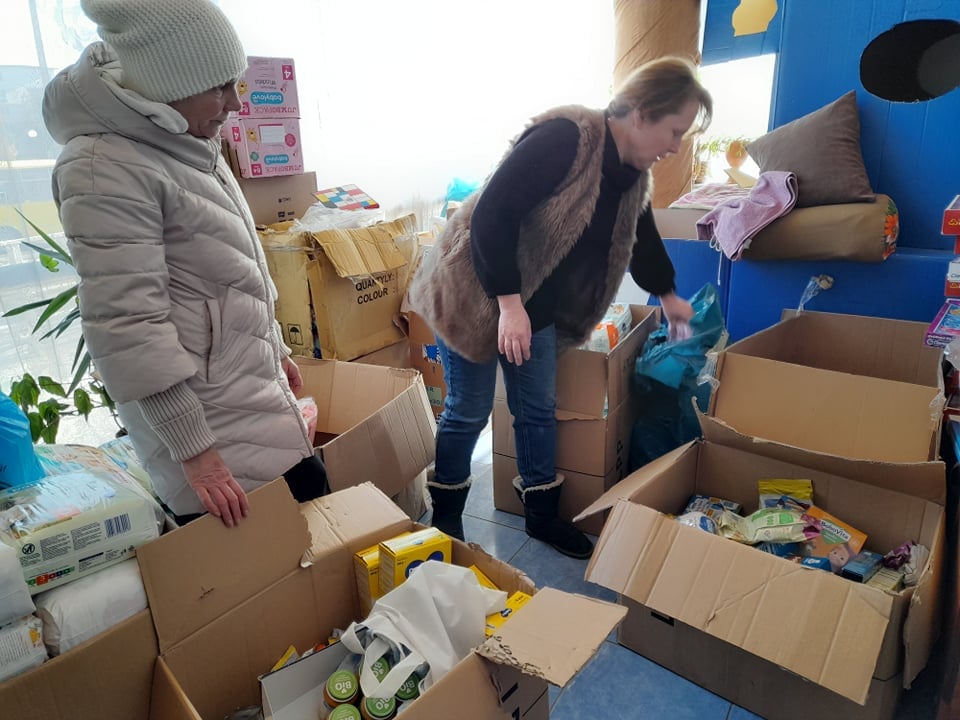
A round-the-clock medical centre has been set up for civilians, temporarily displaced and evacuated persons and members of the territorial defence. In addition, the community’s doctors conducted emergency medical training and prepared individual first aid kits for the military.
The community also established a psychological support service for IDPs and local residents.
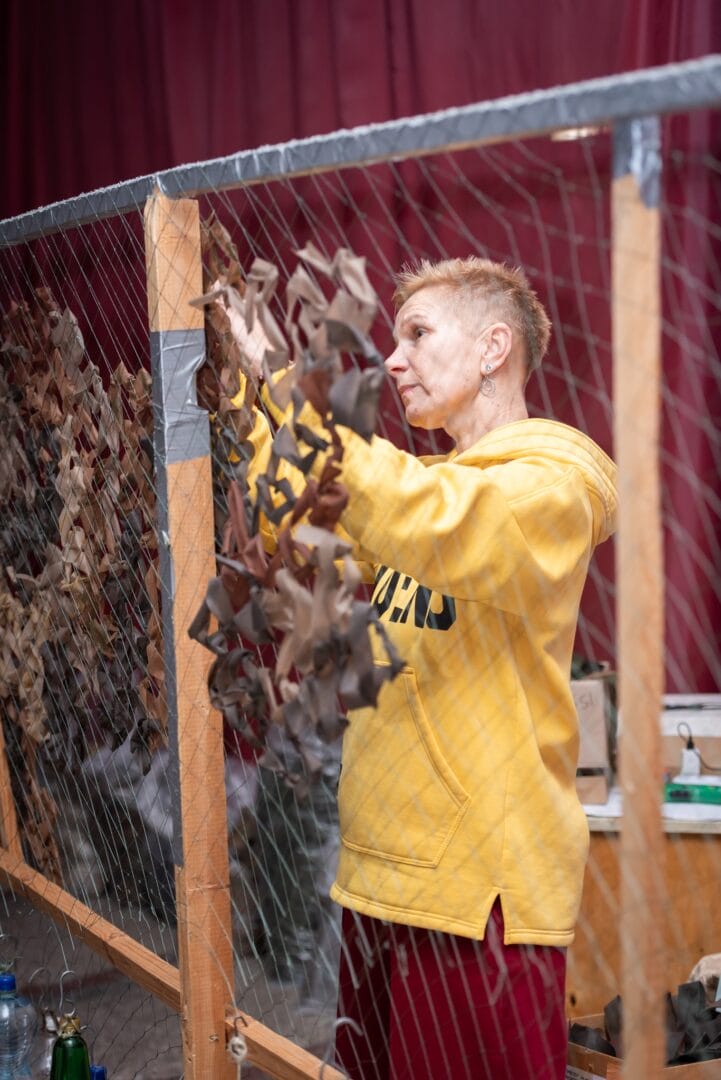
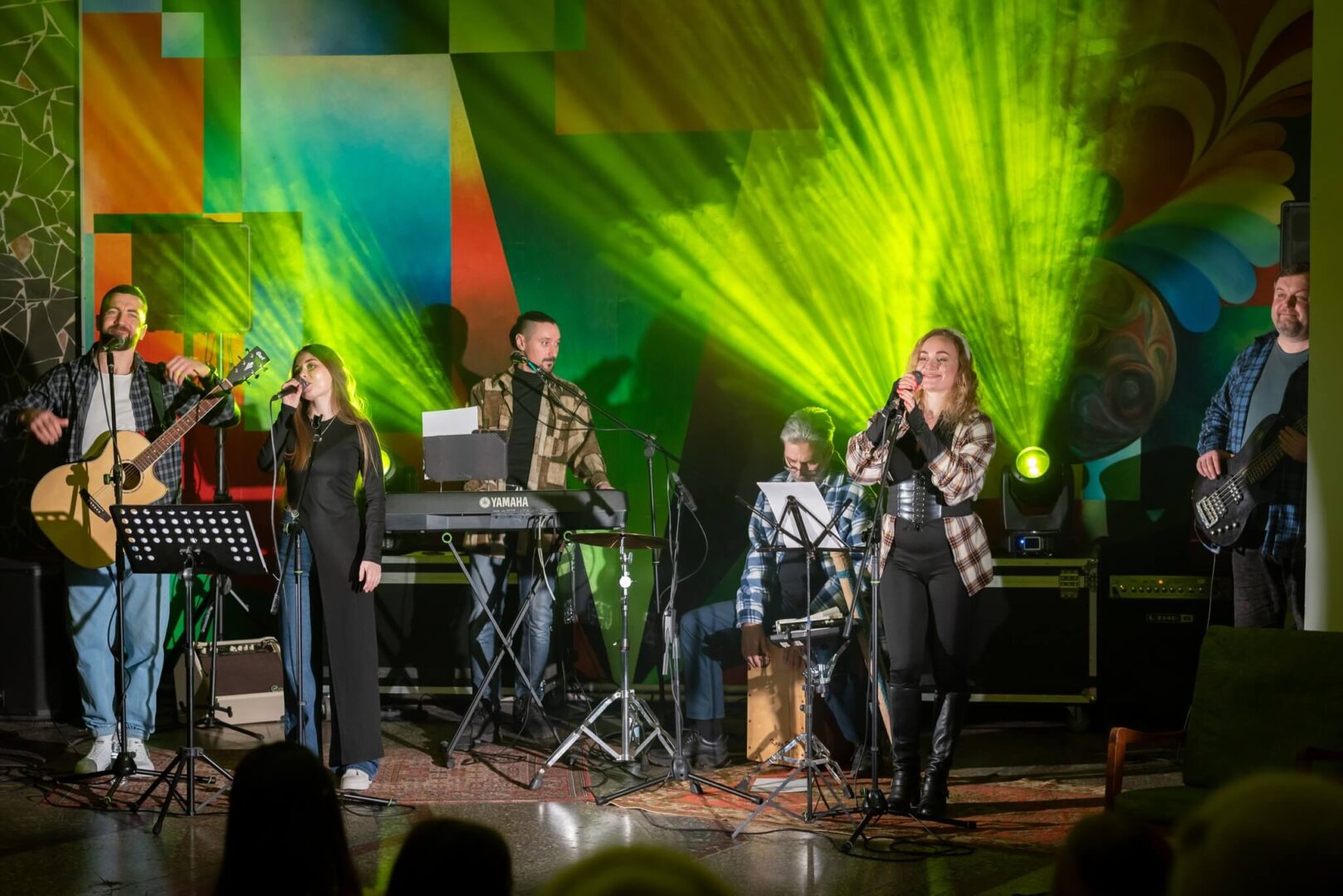
From the first day of the full-scale invasion of Ukraine by Russian troops, the city’s House of Culture became a humanitarian centre, sheltering a volunteer centre (weaving camouflage nets) under its roof, while continuing to bring together NGOs and creative people of the city to hold charity events that raise funds for the needs of the Armed Forces of Ukraine. Over three years, 90 charity events were held and UAH 929,144 was raised.
The community has seven sister cities, and most of them have been helping the city since the beginning of the full-scale Russian invasion of Ukraine by providing humanitarian aid.


Community People
Kaniv Mayor Ihor Renkas is the head of the Kaniv Community) for two consecutive terms, from 2014 to the present day.
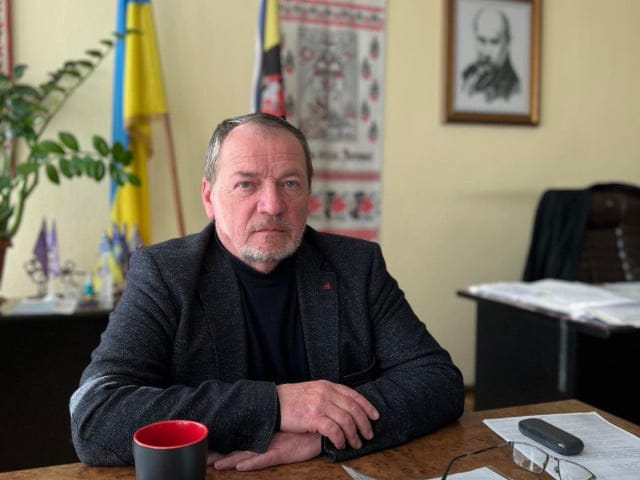
Under his leadership, the Kaniv City Council has implemented a number of important and effective projects that have significantly improved living conditions in the community. They include:
- Thermal modernisation of the specialised school with in-depth study of foreign languages No. 6 and the Teremok kindergarten (NEFCO);
- Reconstruction of the solid fuel boiler house at the secondary school No. 1;
- Major repairs of the main water supply system in the village of Yabluniv; Improvement of transport accessibility, repair and construction of new roads;
- Construction of modular boiler houses;
- Installation of ventilation recuperators for educational institutions through the use of ESCO mechanisms from UNDP in Ukraine, etc.
The Kaniv Community joined the EU Covenant of Mayors for Climate & Energy initiative, the European Union’s Mayors for Economic Growth initiative, and became a candidate for the UNICEF Child and Youth Friendly Community initiative
Thanks to close contacts with the MHP-Hromadi Charitable Foundation, more than a dozen social and economic development projects have been implemented in recent years: installation of playgrounds, improvement of sports infrastructure, enhancement of medical services, improvement of the educational process, support for sustainable business development, etc.

To support community initiatives, the Kaniv Community has introduced a ‘Community Budget’, which helps to implement community projects at the expense of the local budget. As a result, more than 20 projects have been implemented, including the construction of a skatepark and a workout facility.
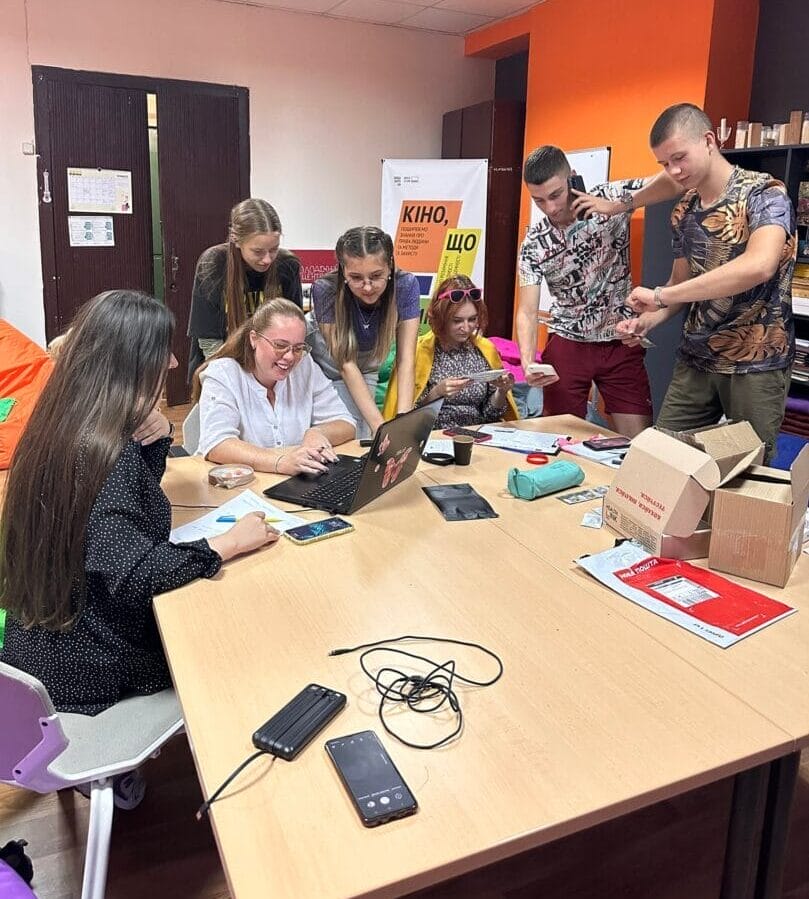
The Kaniv Community has important centres for young people – the Youth Council and the YOY Youth Centre, which hosts various events, trainings and masterclasses. The Centre actively cooperates with other organisations, organising joint projects and events.
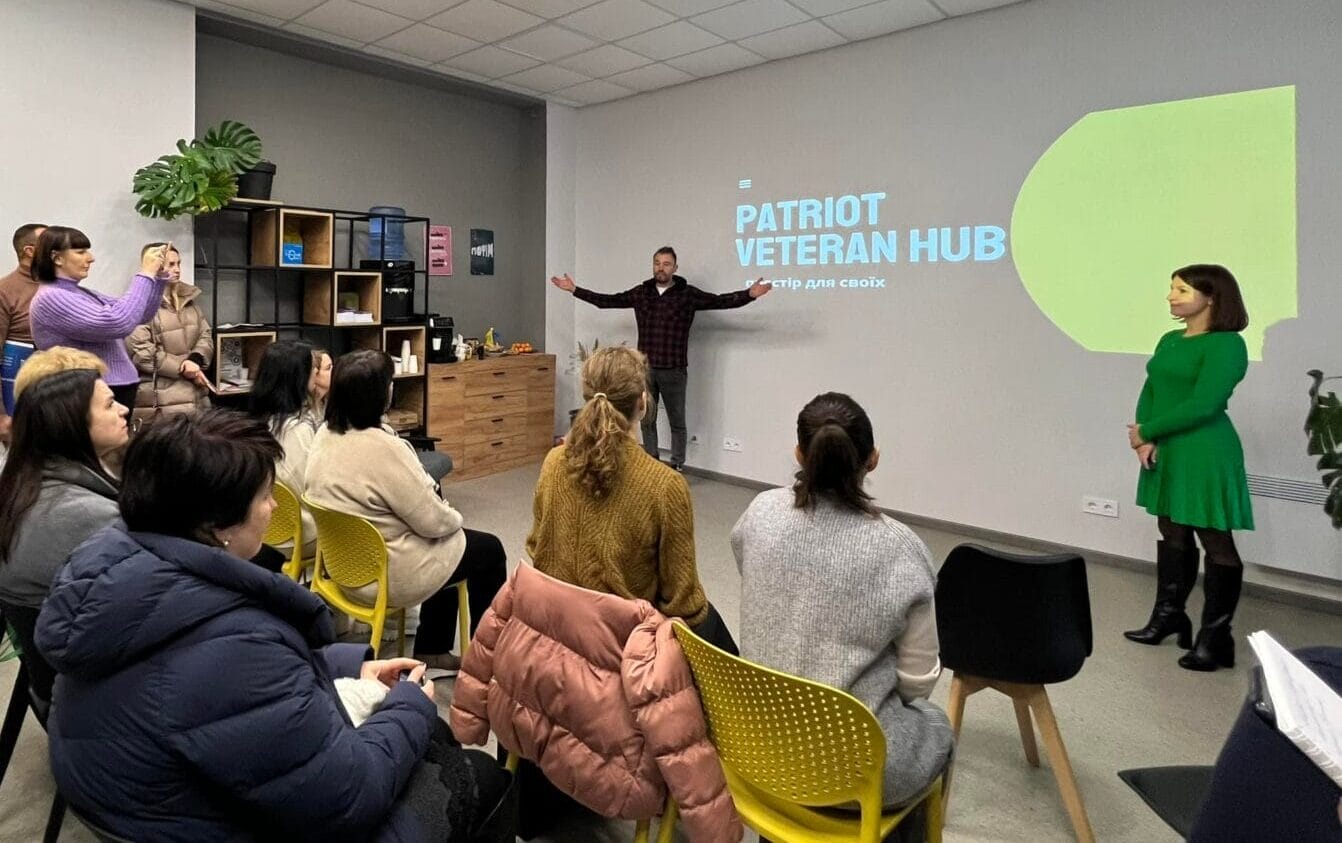
Another important initiative is the creation of the Patriot Veteran Space in the community to support veterans and their families. It provides information and psychological assistance, cultural events, workshops and meetings. The space has become a place where veterans can find support, interact with like-minded people and adapt to civilian life.
The community is also introducing adaptive sports with rehabilitation elements for wounded or seriously injured servicemen and veterans from the Kaniv Community. In addition, support meetings are held in the community to provide psychological support and assistance to women and mothers whose husbands and sons are in the service or in the combat zone.
In 2024, an ethnic retreat called ‘Vona Sered Svoikh’ was held, where women were able to take part in photo shoots, workshops and receive emotional support through singing therapy.
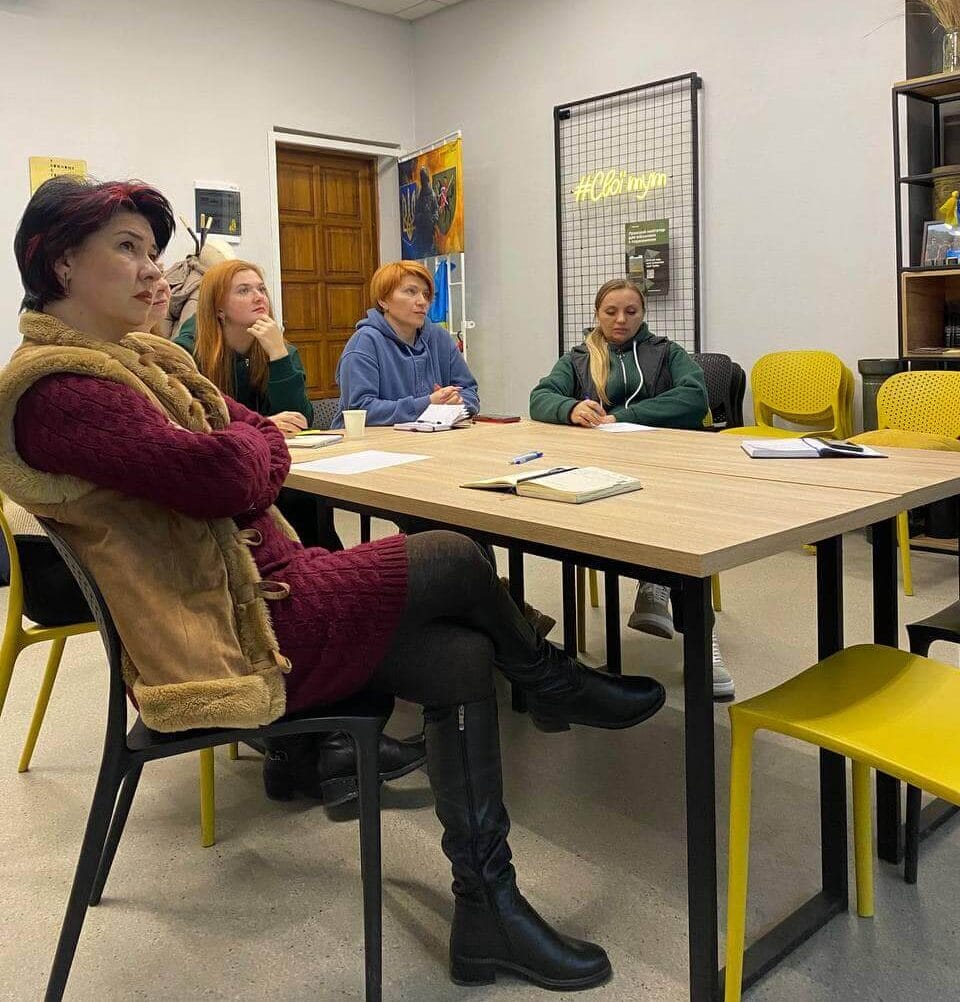
Since 2015, a Volunteer Centre has been actively operating in Kaniv, bringing together local residents to provide various types of assistance to the military and their families.
Development Strategy
The Kaniv City Territorial Community approved the Strategy for Socio-Economic and Cultural Development for 2025-2035.
To achieve its strategic vision, the Kaniv Community has focused on the following priority areas:
- Economic development and investment attraction.
- A comfortable community with a high level of security.
- Development of identity and tourism.
- Improving government efficiency and engaging residents
The Kaniv Community maintains friendly partnerships with the cities of Viersen (Germany), Chełmno, Chłuchów and the Chłuchów Poviat (Poland), Sonoma (USA), Võru (Estonia) and Lambersart (France).