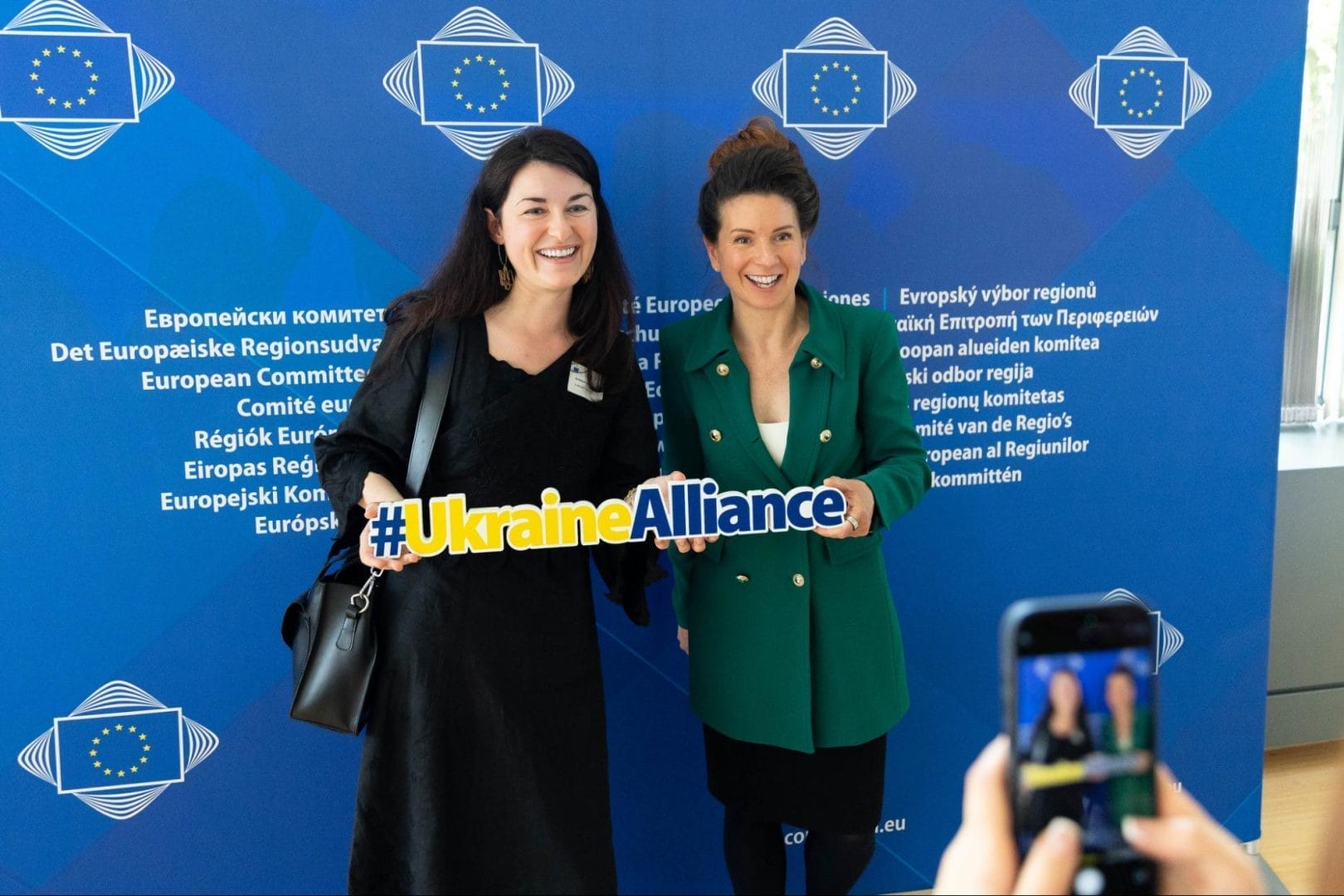
On December 19, the Cities4Cities initiative initiated the development of the political paper “Mutually Beneficial Municipal Partnerships with Ukraine” by the European Committee of the Regions’ Alliance for the Reconstruction of Ukraine.
The document calls on European municipalities to more actively develop cooperation with Ukraine and learn from the unique experience of Ukrainian communities in building local resilience and security, fostering innovation, strengthening energy resilience, developing social housing, increasing flexibility in local decision-making, and more.
These very areas have been identified as priorities for EU regional development within the updated Cohesion Policy framework through 2027 and are already familiar to Ukrainian municipalities, which have been effectively operating under the conditions of Russia’s full-scale war for more than four years.
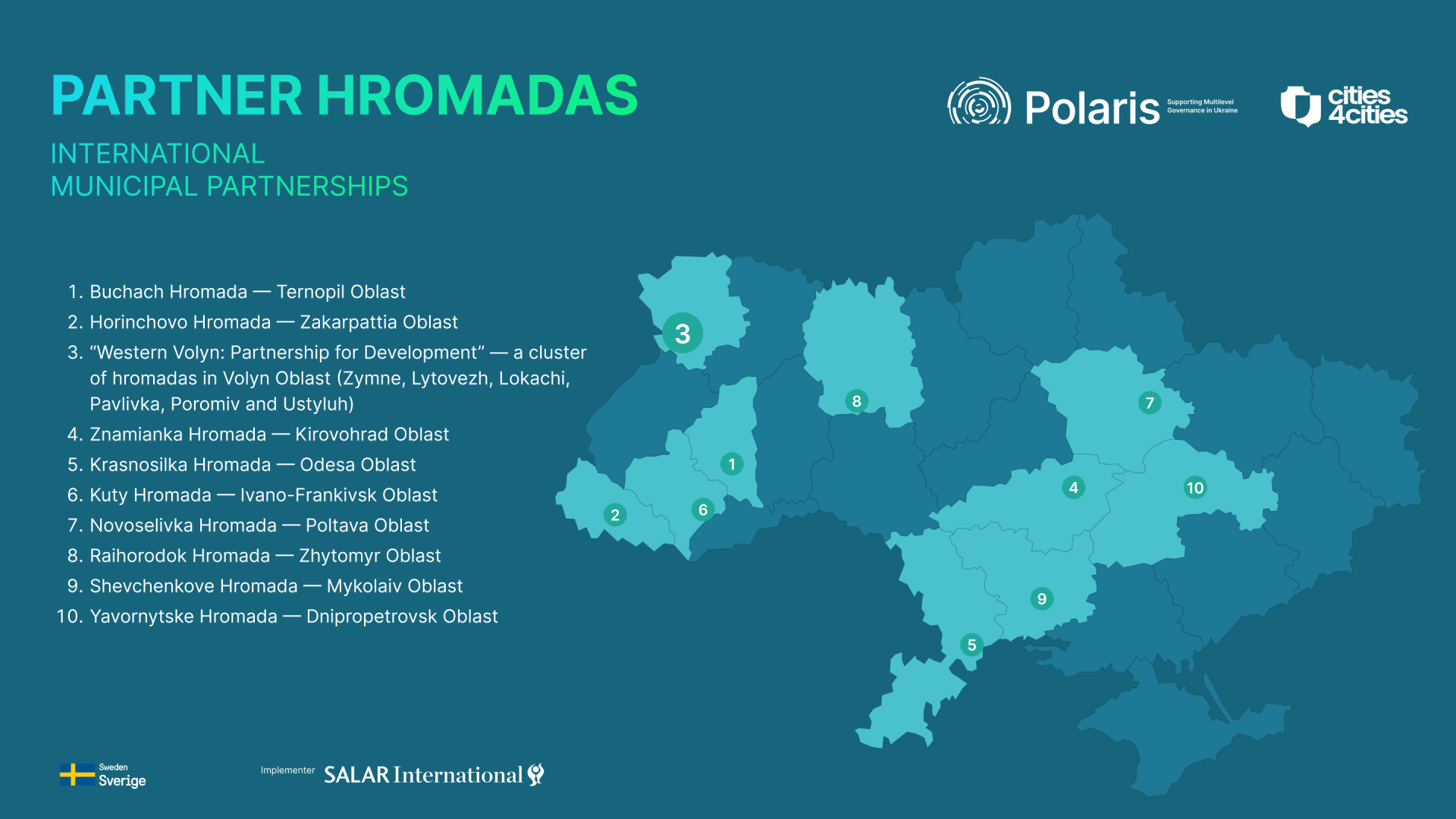
Among the partnerships established through Cities4Cities, there are already many examples demonstrating how this approach works in practice.
“Learning from Ukraine’s resilience experience is a key motivation for Swedish municipalities to establish partnerships with Ukraine. Before the full-scale war, such cooperation was limited, while today the network already includes more than 50 partnerships. Swedish municipalities are actively studying how schools continue operating, how healthcare adapts to new needs, how to protect critical infrastructure and civilians, how to organize volunteer movements and territorial defense, how to maintain critical logistics, and how to manage large-scale displacement — not only during joint emergency coordination meetings, but also through visits to Ukraine.”
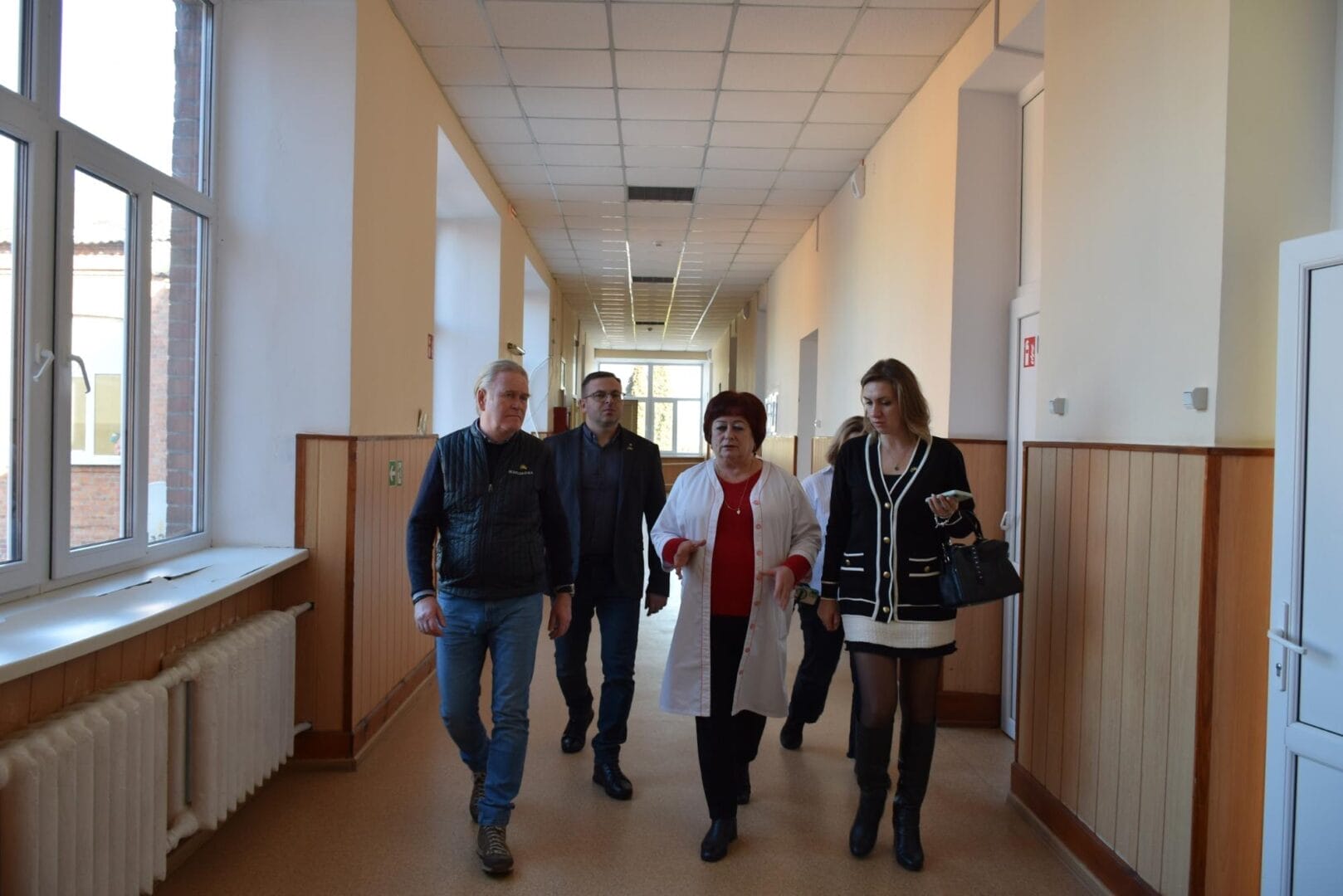
Beyond Swedish municipalities, this kind of knowledge exchange is also regularly taking place within the Cities4Cities network between Sindelfingen and Zviahel.
Cooperation in the field of innovation is another important area of partnership development between Mechelen and Lviv, as well as between Norrköping and Kherson. A key factor here is the rapid development of technologies in the military and medical sectors, as well as in information technology.
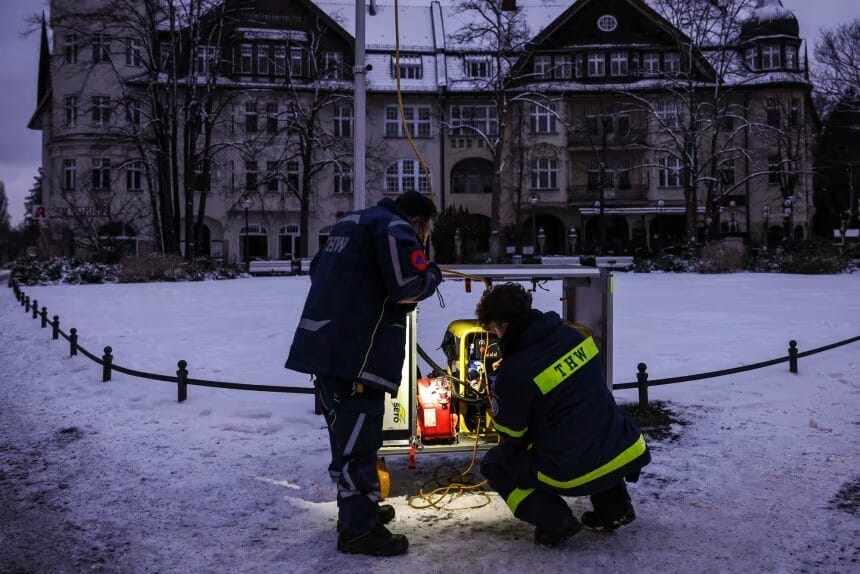
In many other areas — such as energy resilience and water resilience — Ukraine’s crisis management experience should also be shared through municipal partnerships. Recent events have shown that hostile sabotage and man-made emergencies can significantly disrupt the functioning of municipalities across the EU.
“A shift in the approach to partnerships and the promotion of their mutual benefits should become the foundation for new regional development financial instruments within the EU. If Europe needs to strengthen its resilience and competitiveness today, one of the best ways to do so is by drawing on Ukraine’s experience,”
“Зміна підходу до партнерств і пропагування взаємної вигоди від них, має стати основою для нових фінансових інструментів регіонального розвитку в межах ЄС, адже якщо Європі необхідно сьогодні посилити стійкість та конкурентоздатність, найкраще зробити це залучаючи досвід України”, – Марта Супрун, експертка з євроінтеграції на місцевому рівні Cities4Cities.