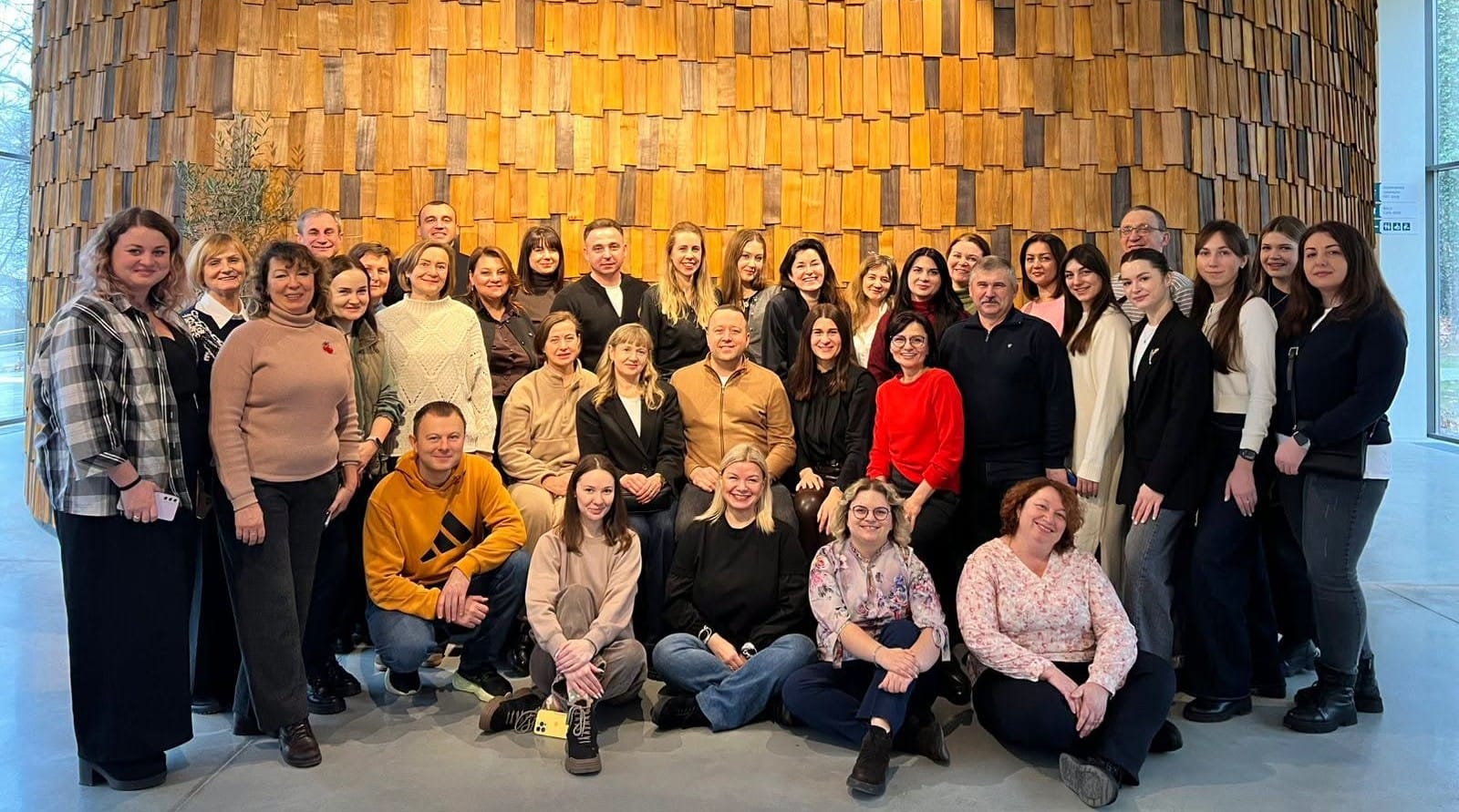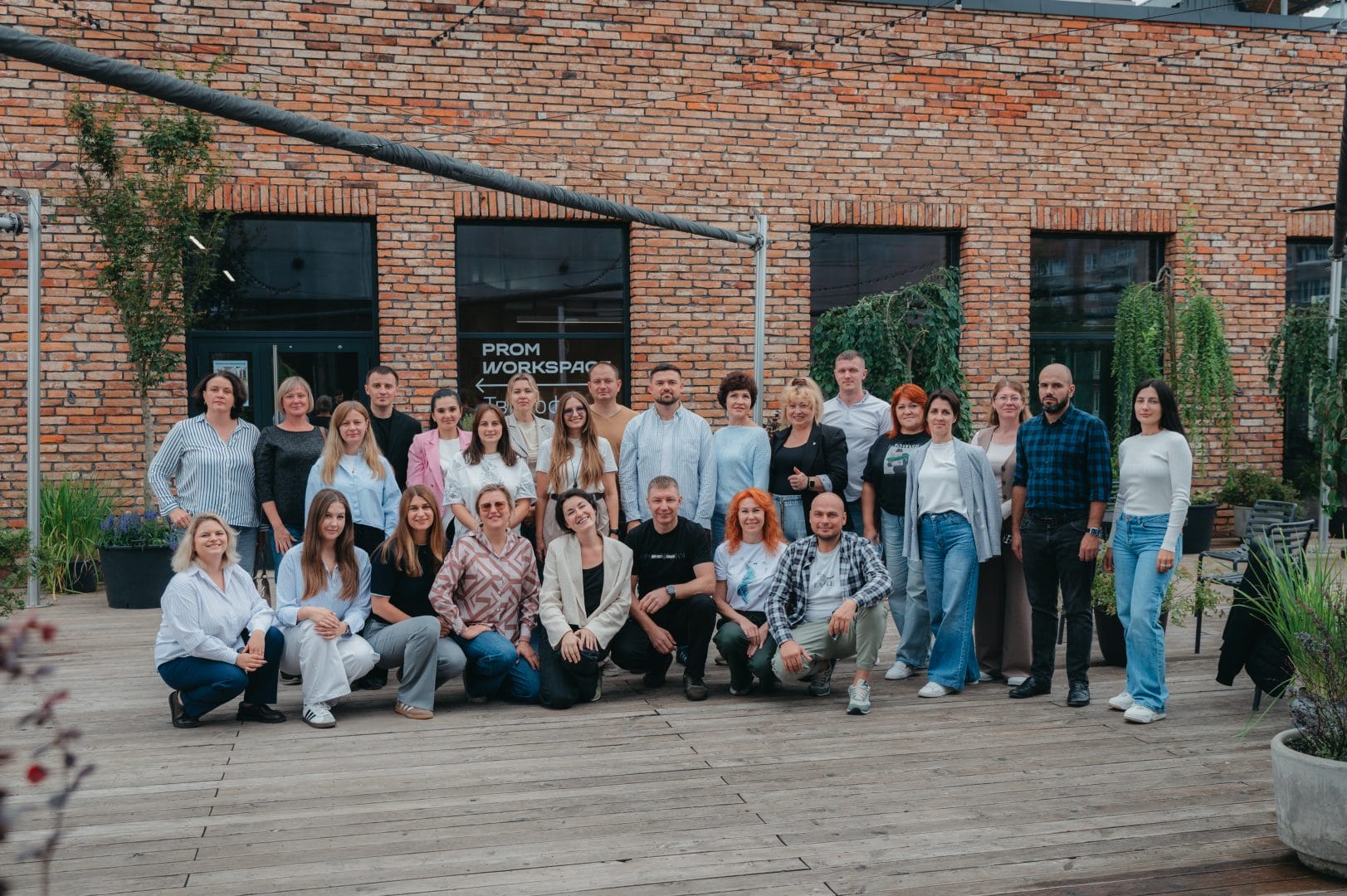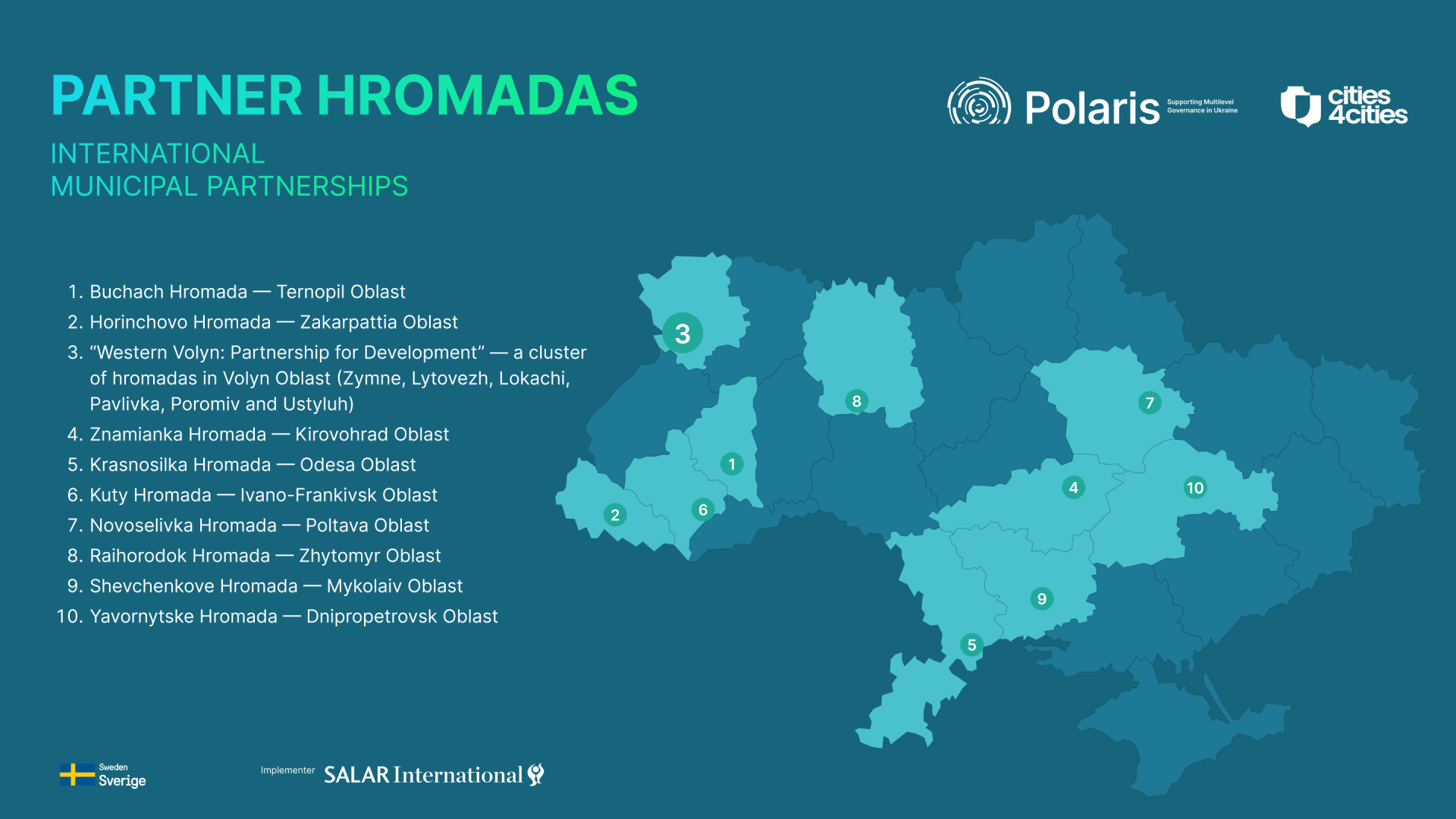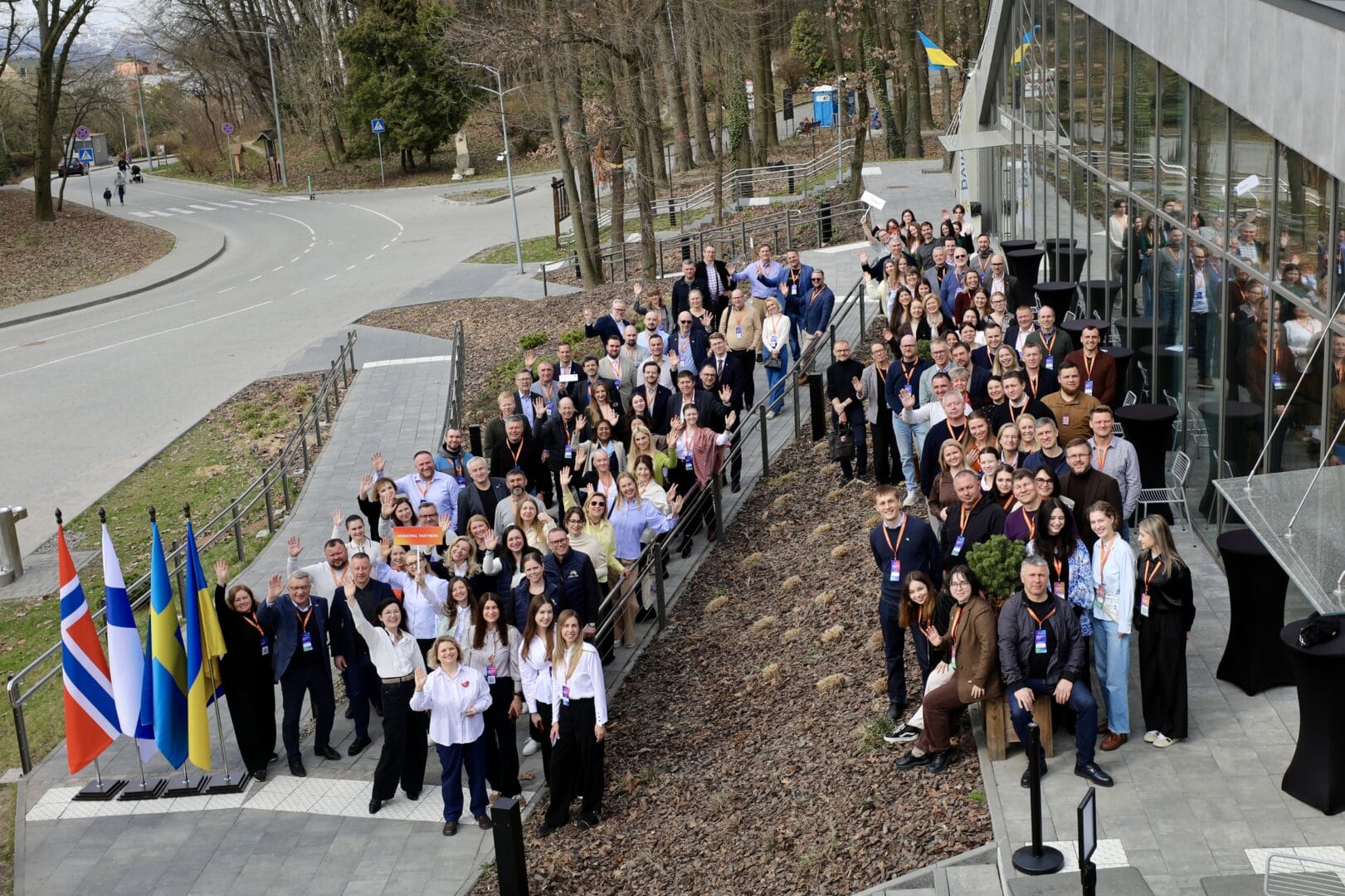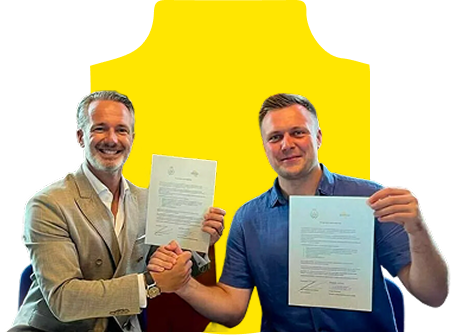
Over seven months, ten hromadas strengthened their international capacity, established partnerships with organisations from 14 countries, joined international consortiums and prepared their first grant applications. Mentoring support helped hromadas to strengthen their internal teams, identify priorities for their international activities, expand their network of international partnerships and attract their first foreign resources for local development.
A total of 99 hromadas applied to take part in the Programme, of which 10 were selected: Zavodske, Koziatyn, Korostyshiv, Kurne, Kushuhum, Novoukrainka, Opishnia, Rozdilna, Savyntsi, Teofipol. They were supported by experts in project management, fundraising, European integration, communications and the development of international partnerships.
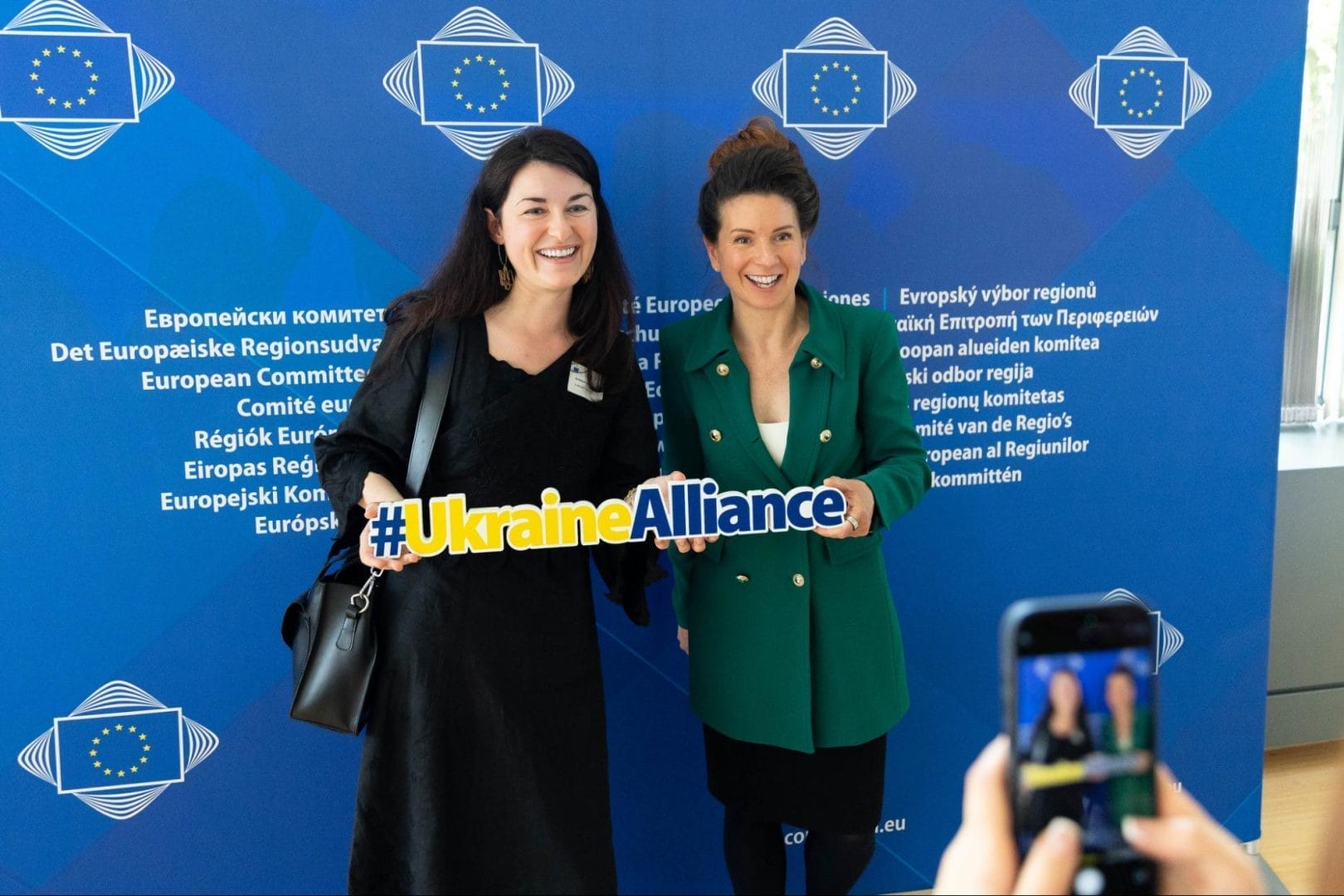
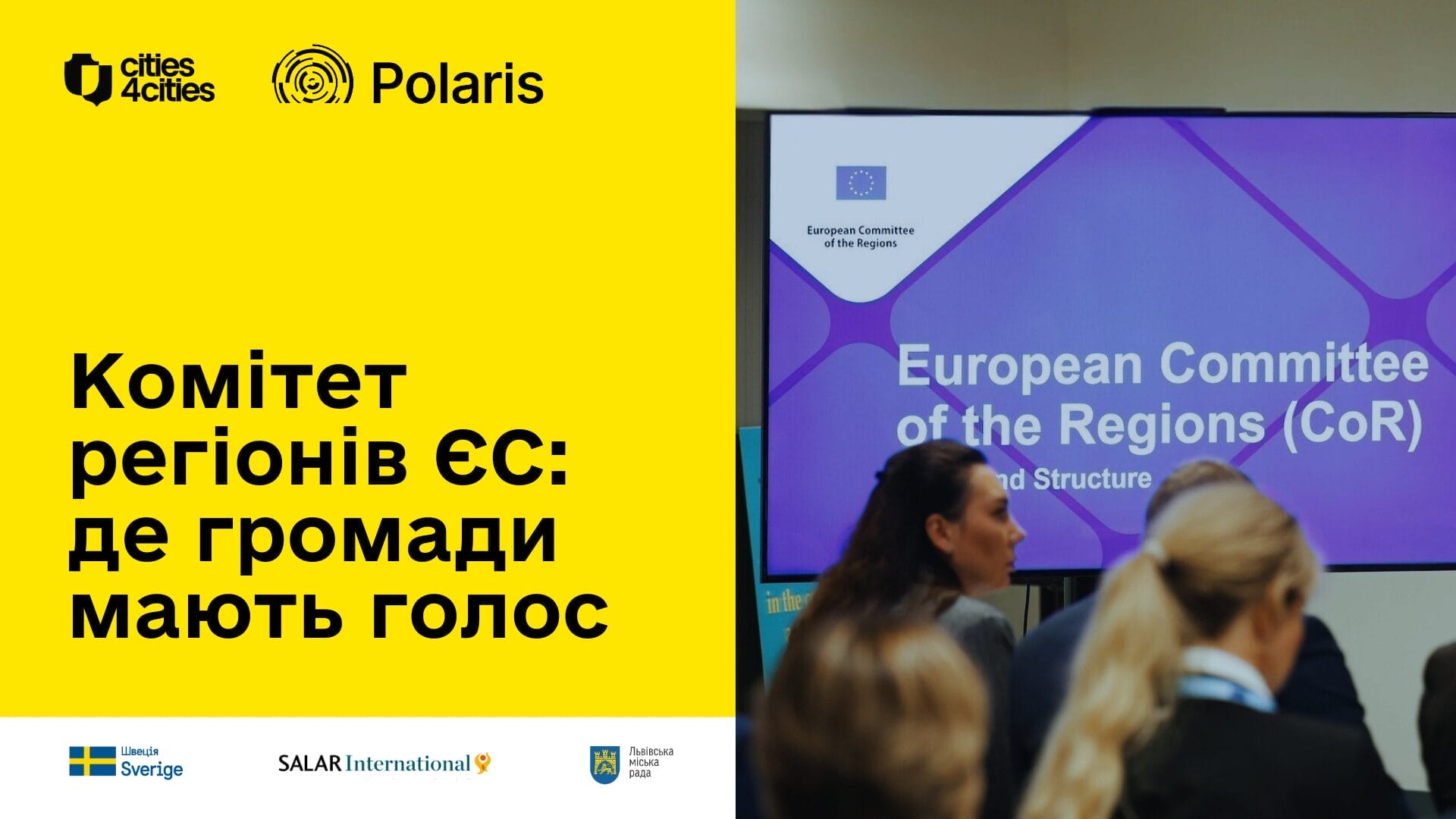
Thanks to a personalised approach, each hromada worked towards its own objectives in the field of international cooperation, whilst mentors helped them to set priorities, build capacity, develop project preparation skills to attract funding, and engage effectively in international forums. An important component was communication support: hromadas received English-language materials for partners and donors, investment profiles and recommendations on developing international relations. In addition, the Polaris Programme supported the hromadas’ participation in international events, for which local teams were properly prepared. These included the Baltic Sea States Sub-regional Cooperation Forum , the Interreg Europe conference, the New Strategy Centre conference on cooperation with Romania and cross-border cooperation, and the seminar ‘Local Readiness for EU Accession’ at the EU Committee of the Regions in Brussels.
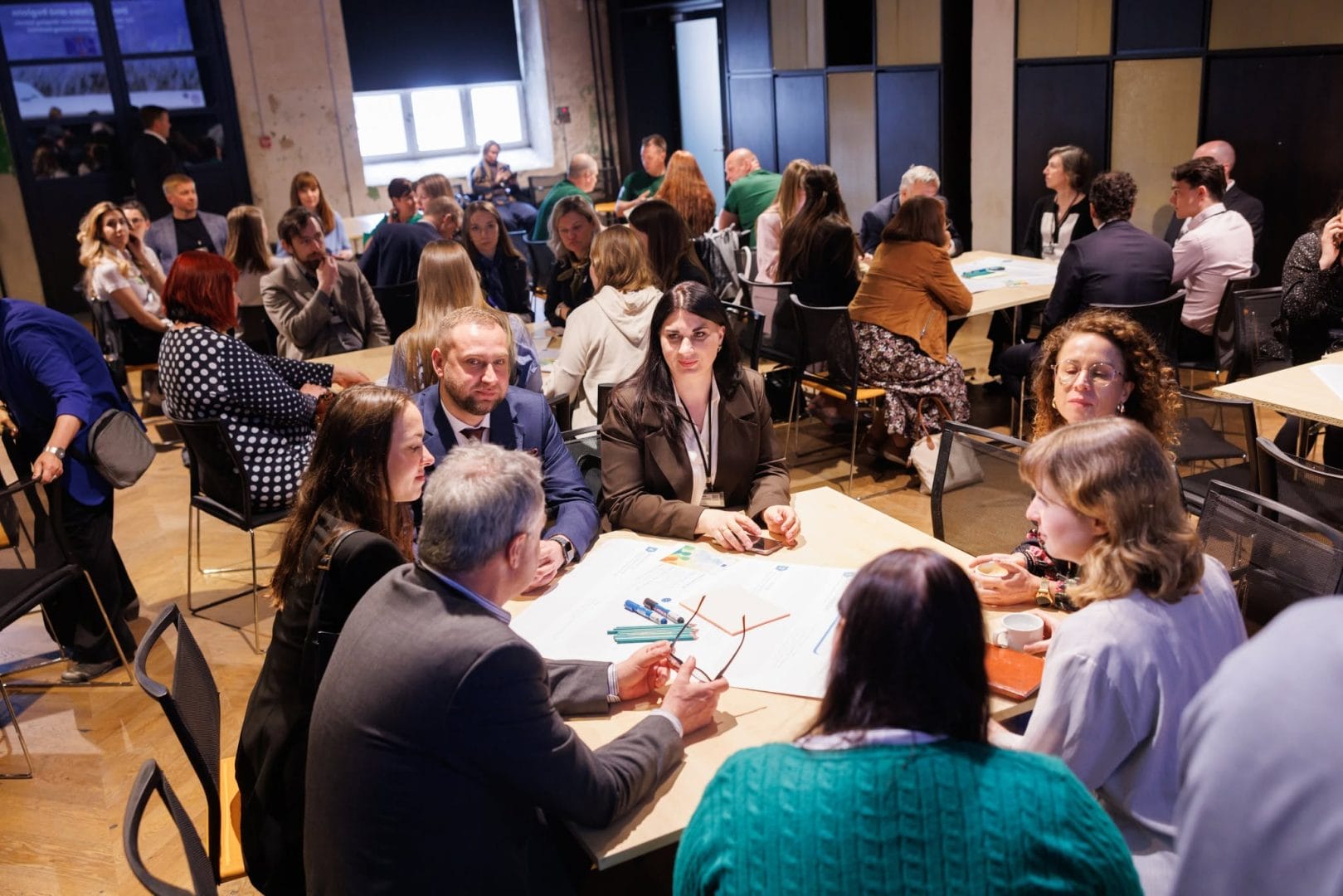
Another aspect of the support provided was assistance with preparing projects and grant applications for participation in EU Programmes and funds. In particular:
- Kushuhum, Savyntsi and Novoukrainka hromadas joined as associated partners in an international project application as part of the Creative Europe Programme.
- Savyntsi hromada joined an international consortium in the CERV Programme and received support in establishing a partnership for further participation in the URBACT network.
- Teofipol hromada prepared four grant applications to take part in calls for proposals from the Ukrainian Cultural Foundation and SAIDS, and also joined an international consortium with partners from Spain to develop a project under URBACT.
- Rozdilna hromada joined an international consortium under the Horizon Europe Programme, began collaborating with partners from Romania and Slovenia, and developed two projects to foster international cooperation.
- Zavodske hromada developed two strategic projects aimed at addressing pressing challenges in local development.
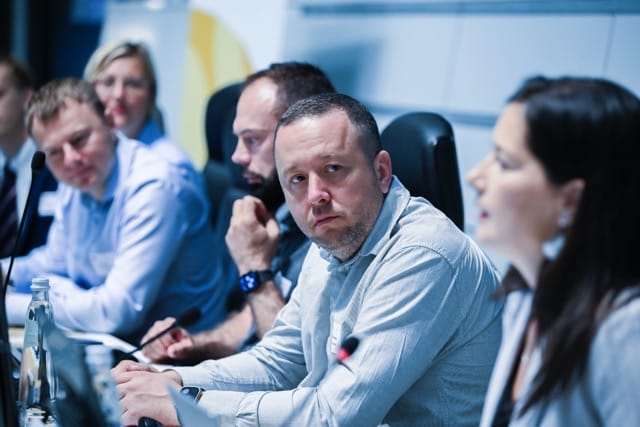
”The most important result of the Programme is that the hromadas have not only established new international contacts. They developed a different approach to international engagement. It begins within the hromada itself – with an understanding of their own strengths, a willingness to invest in team development, the ability to define priorities, to build on a strategy, and the capacity to turn individual contacts into long-term partnerships,” notes Svitlana Blinova, Team Lead of the Cities4Cities initiative, which implements the ‘International Municipal Cooperation’ component of the Polaris Programme.
Participants of Cities4Cities Mentorship established new contacts and strengthened their cooperation with municipalities, regional governments, international organisations and professional networks in 14 countries: Austria, Denmark, Estonia, Spain, Latvia, Germany, Poland, South Korea, Romania, Slovenia, the United States of America, Finland, France and Sweden. However, the main outcome was internal change: hromadas adopted an institutional approach to their international activities. In particular, the Korostyshiv hromada reorganised its relevant department, recruited a specialist with a command of English and has already begun cooperation with Ventspils (Latvia). The Teofipol hromada initiated the creation of a special budget programme for international cooperation, whilst the Kurne and Opishnia hromadas began to enhance staff skills and strengthen their workforce in this area.
The Cities4Cities initiative will present detailed findings on mentoring support, as well as recommendations for hromadas seeking to strengthen their international capacity, in a series of future publications.
The Polaris Programme will continue to develop this format of expert support for hromadas. The tools developed will be scaled up, and the experience gained will form the basis for the next phase of mentoring support.