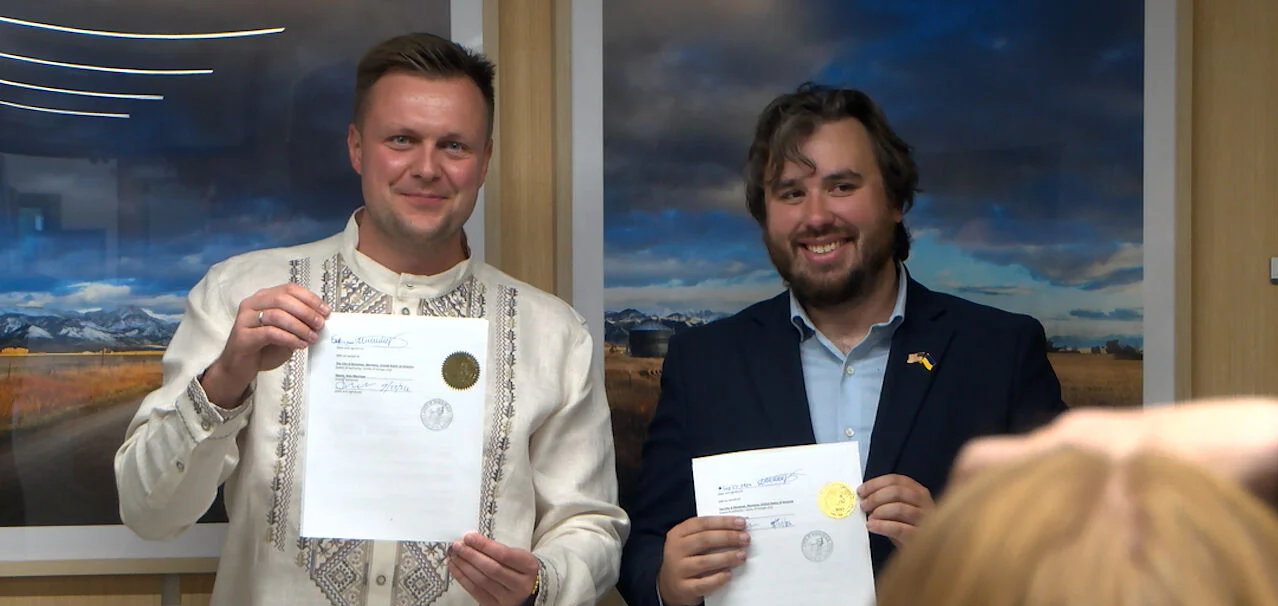
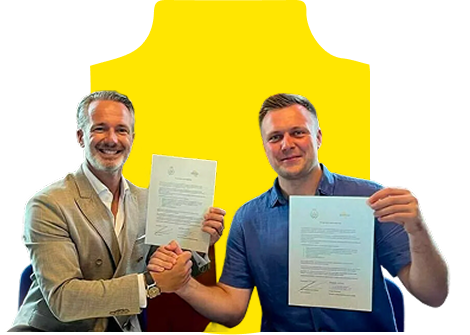
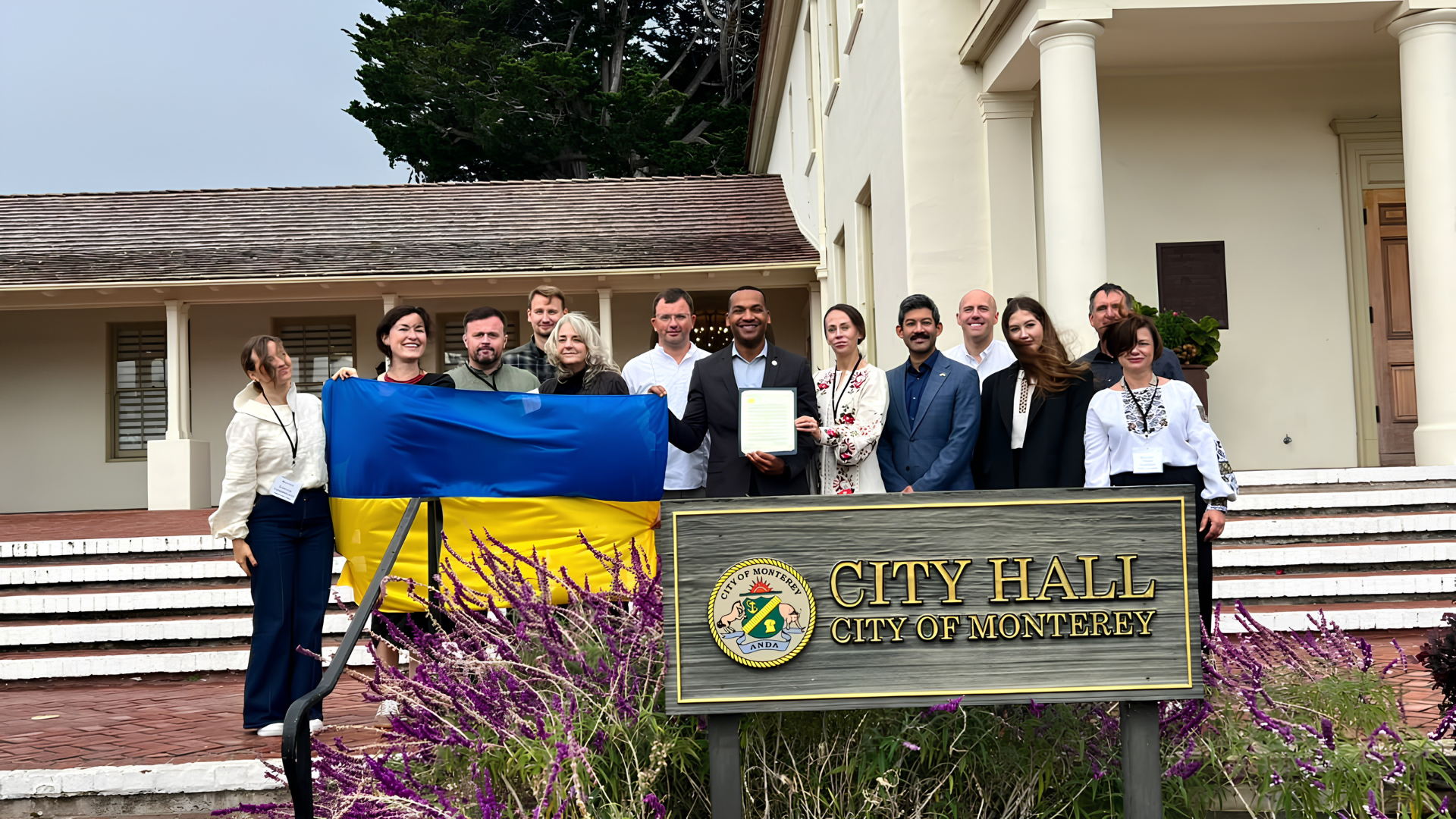
On October 22, the partnership between the Shabo community in Ukraine’s Odesa region and Monterey, California, entered a new stage. During the Ukrainian delegation’s visit, Monterey Mayor Tyller Williamson signed a proclamation reaffirming the city’s commitment to developing cooperation with Shabo.
The proclamation identifies several areas for future cooperation, including local governance, education, culture and the arts, emergency management, environmental protection, tourism and economic development.
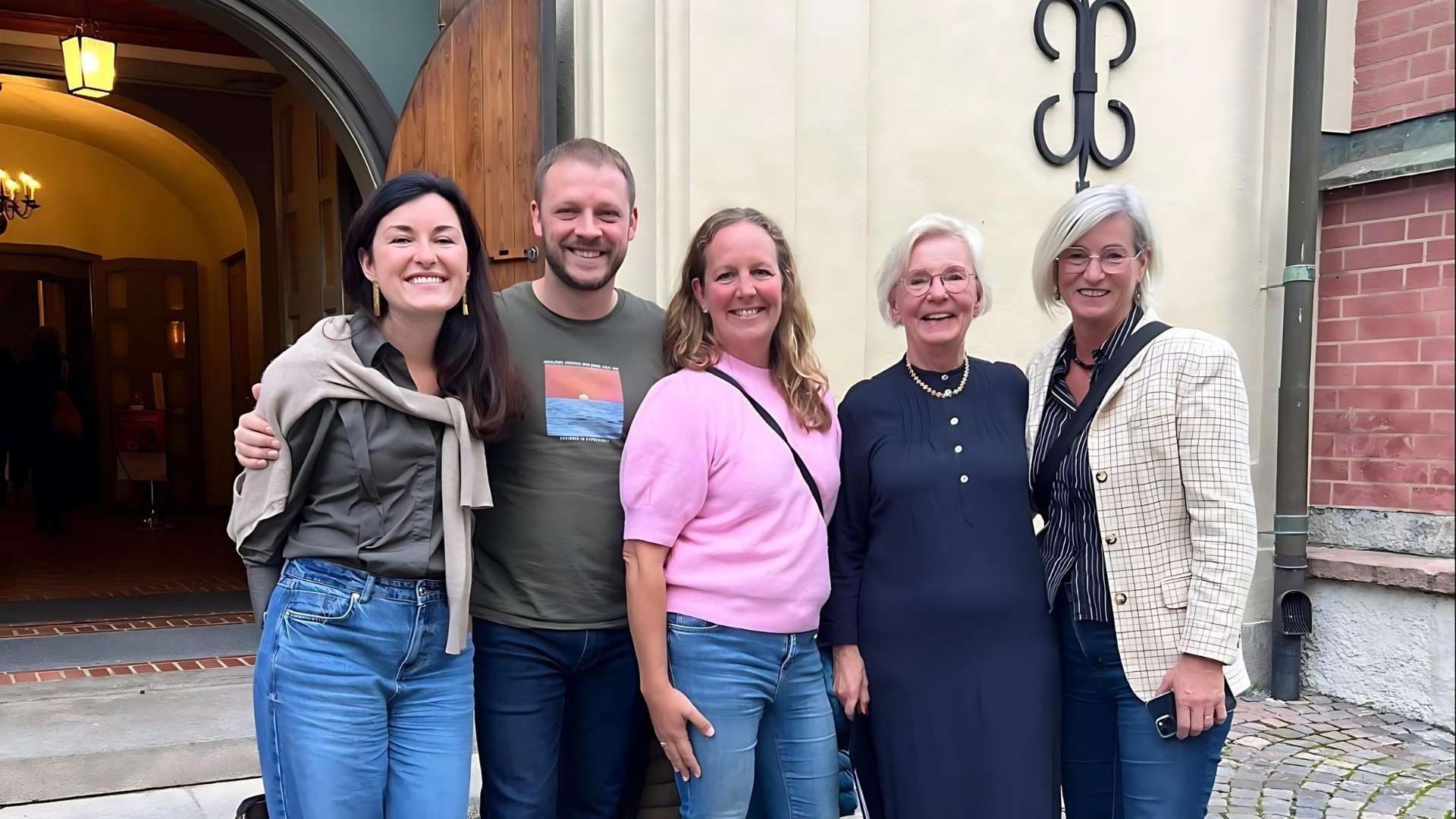
Before meeting in person, the two communities had been in regular contact online for a year and a half. The visit to California gave them an opportunity to continue these conversations face to face and explore municipal governance, veteran support, education, tourism and youth recreation programs more in greater depth.
More than a year of cooperation – from community leaders to sectoral teams
Shabo and Monterey were first connected in spring 2025 through David O’Keeffe, Cities4Cities’ partner in the United States. Their first online meeting took place in April.
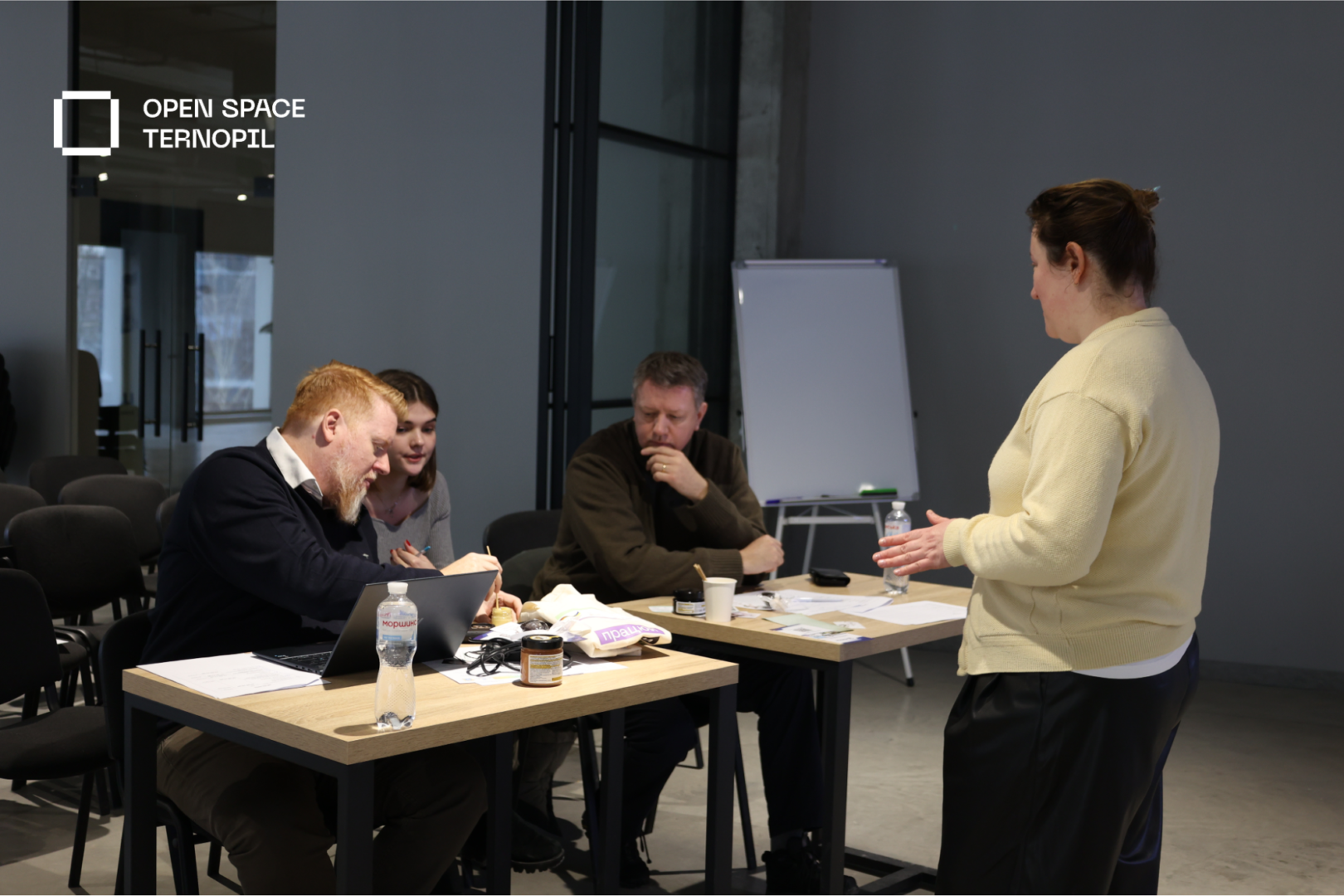
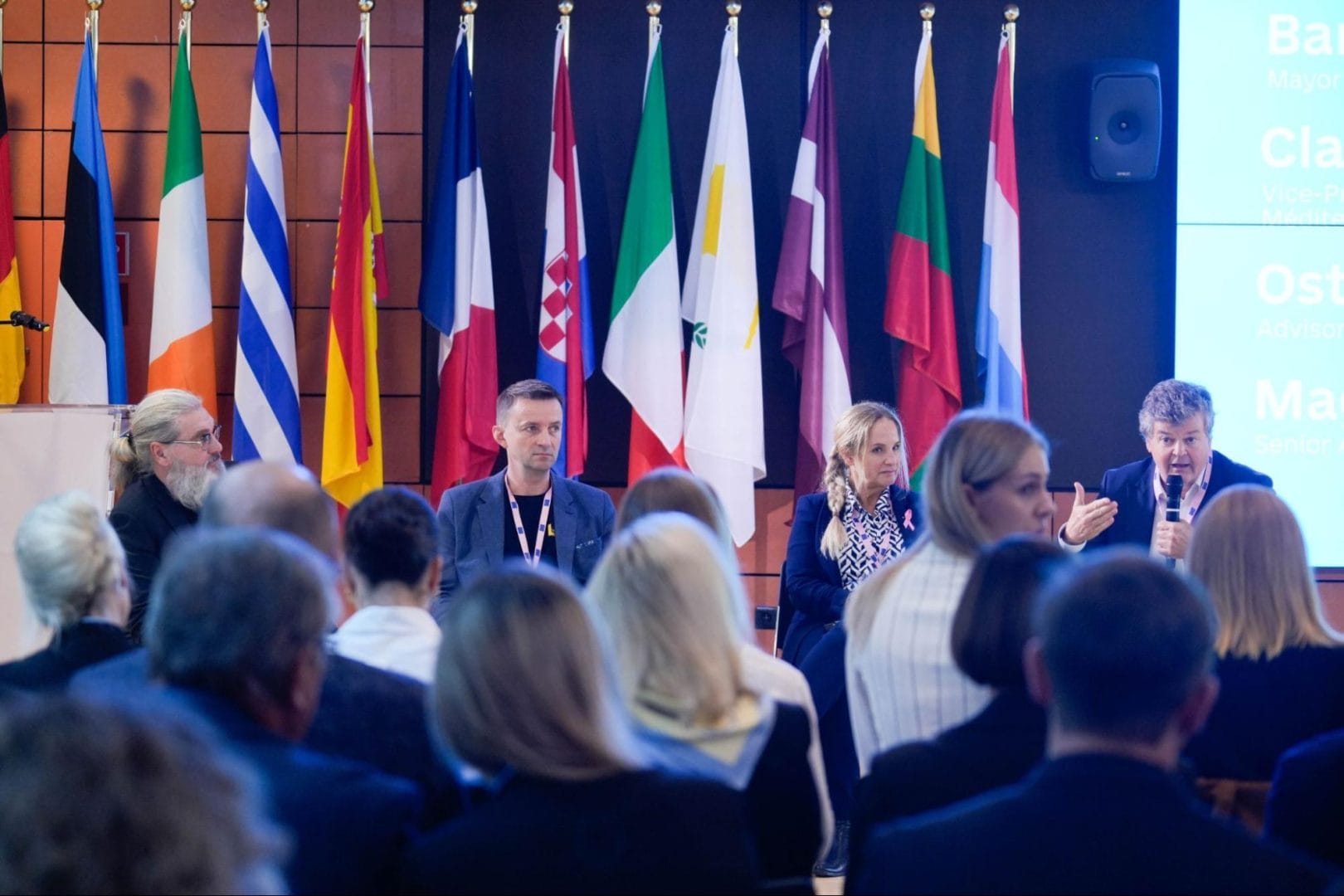
From the outset, leaders from both communities were directly involved in the partnership. Over time, professionals working in different sectors joined the meetings as well. Their discussions have covered economic development, tourism, education and veteran support. School students from the two communities have also had the opportunity to meet online.
Shabo and Monterey have much in common. Both are located by the water and have strong connections to tourism, gastronomy and winemaking. Shabo lies on the Dniester Estuary and has a centuries-old winemaking tradition. Monterey is located on California’s Pacific coast, with a well-developed tourism sector and a renowned wine region nearby. These similarities are also highlighted in Monterey’s proclamation.
Monterey has a population of around 30,000 and operates under a Council–Manager form of government. The mayor and city council set policy and strategic priorities, while the city manager oversees the city’s day-to-day administration.
From online exchange to working together in person
The visit to Monterey took place through the Open World Program, administered by the U.S. Congressional Office for International Leadership (COIL).
The Shabo community was represented by Village Council Secretary Serhii Chernokulskyi and Executive Committee Affairs Manager Liliia Skalozub.
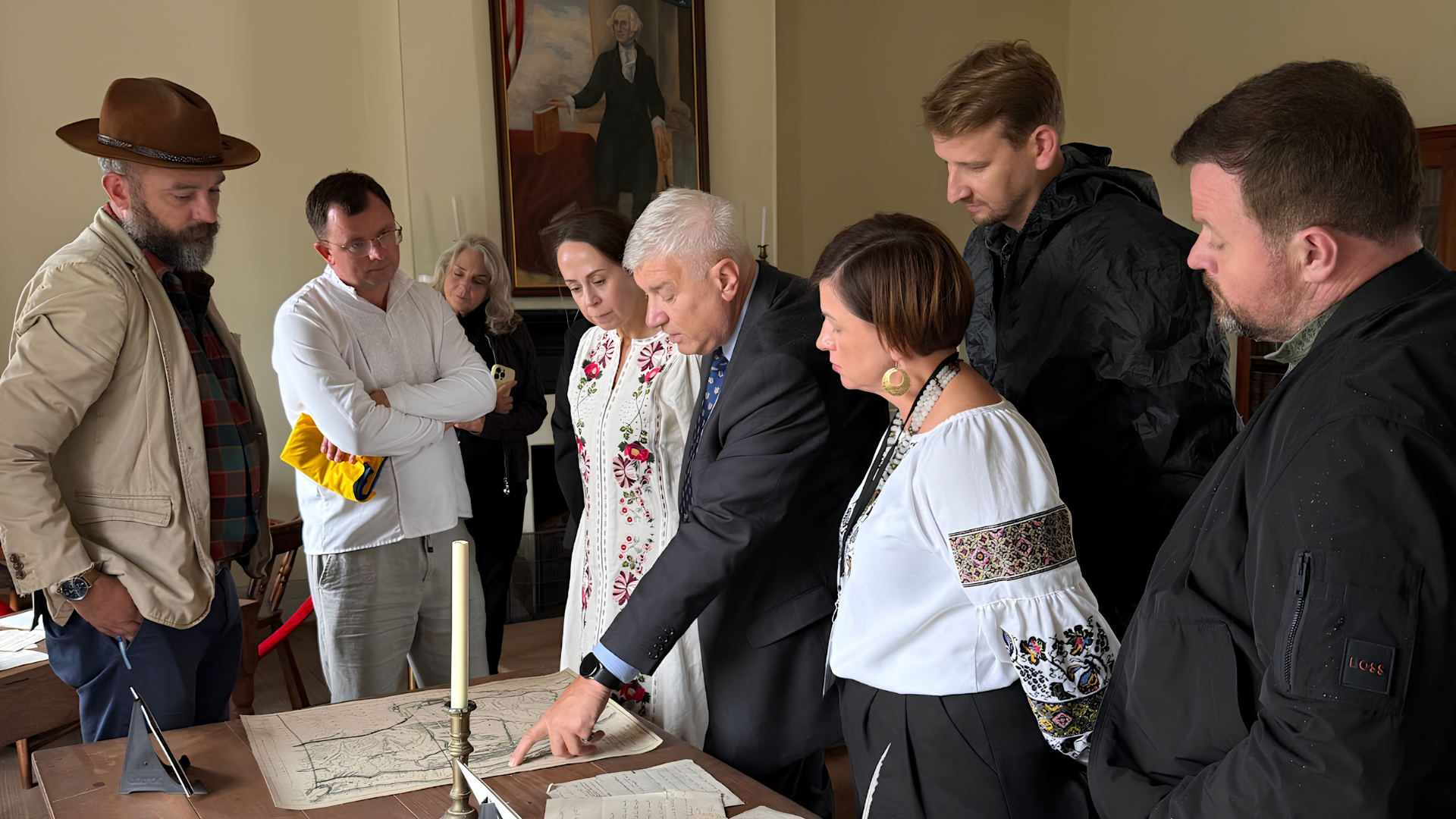
In Monterey, they continued their dialogue with the city team they had already worked with online and met professionals responsible for specific areas of municipal work. Participants included Monterey Mayor Tyller Williamson, City Manager Dante Hall, Assistant City Manager Nat Rojanasathira, Management Analyst Mark Ackermann and Parks and Recreation Commissioner Kathie Buaya.
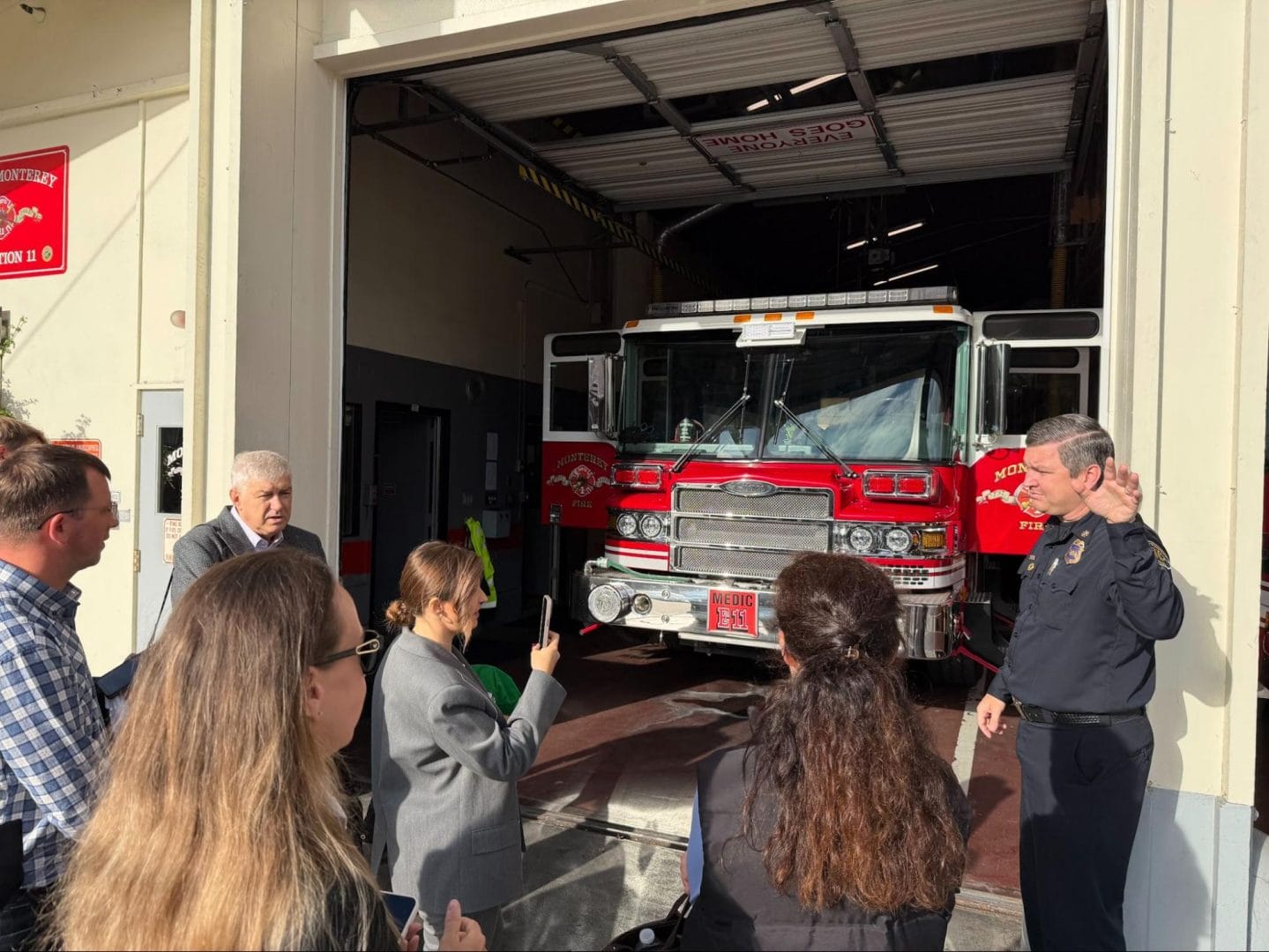
At Monterey City Hall, the Shabo representatives discussed how the municipality and local government operate. They also learned about and visited Monterey’s parks and recreation system, and the city’s police and fire departments.
At the Veterans Transition Center and the county veterans office, the delegation learned how support for U.S. veterans returning to civilian life is organised at the local level.
From the first online meeting to cooperation between schools
Contacts between schools in Shabo and Monterey began before the visit, with students from the two communities already meeting online.
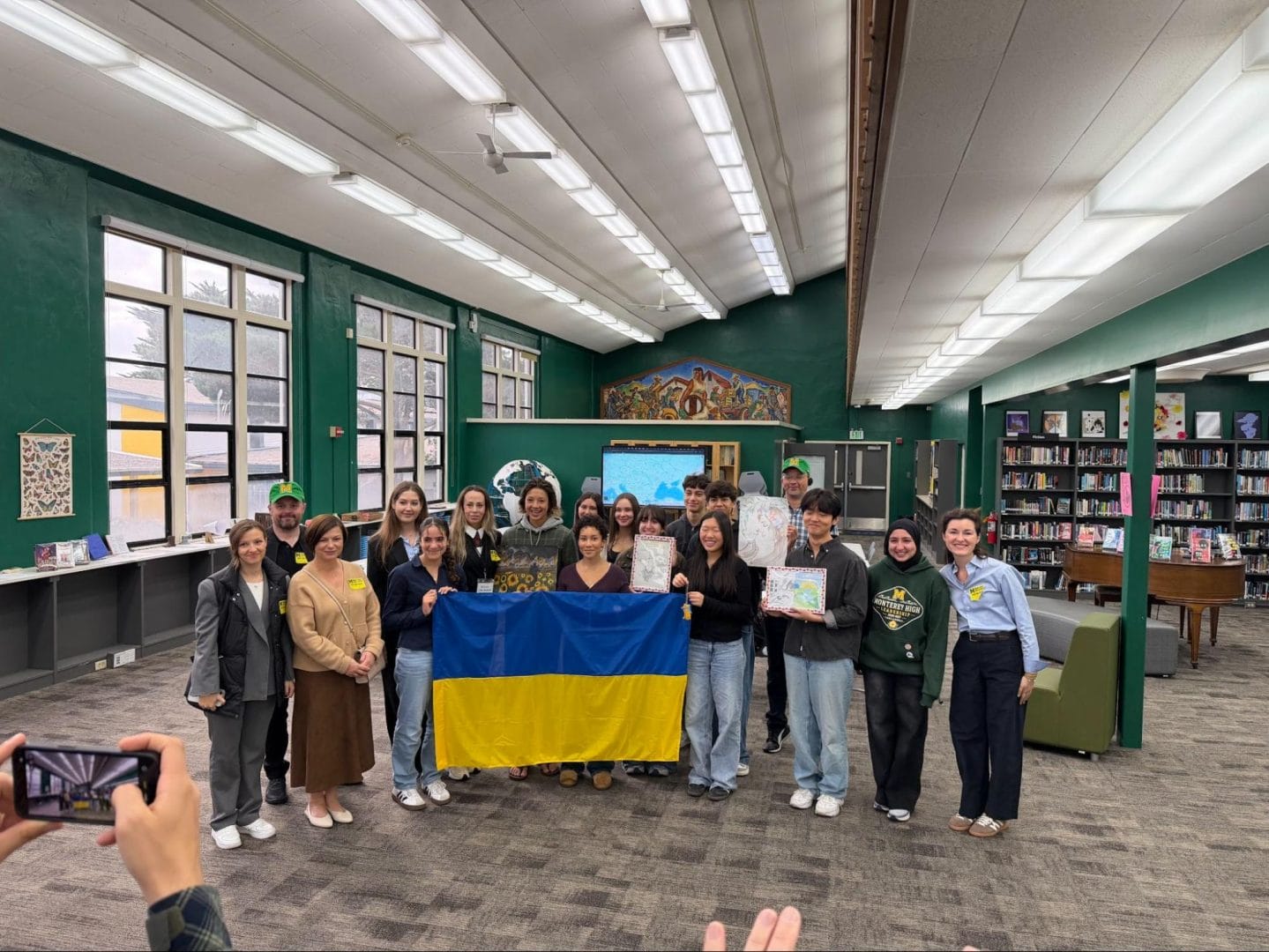
While in California, the Shabo representatives visited Monterey High School. Students from Shabo sent drawings to their American peers, and representatives of the schools are now looking to deepen their cooperation.
How Monterey’s experience can support Shabo’s tourism recovery
Shabo is particularly interested in Monterey’s experience of developing tourism while protecting the natural environment. Located on the Pacific coast, Monterey applies measures designed to preserve its local ecosystem while remaining a popular tourist destination.
During the visit, the Ukrainian delegation travelled to Carmel-by-the-Sea and Carmel Valley and visited a local winery. The Shabo representatives explored how the region combines winemaking, local products, natural resources and tourism to strengthen the area’s appeal.
The two communities are already discussing opportunities to connect wineries from their respective regions. Shabo also plans to continue exchanging experience with Monterey on tourism development, including preparations for the sector’s future recovery after the war.
What U.S. local government leaders are learning from Ukrainian communities
American colleagues, in turn, were interested in how Ukrainian local governments have continued operating during Russia’s full-scale war.
Together with the Monterey Bay Defense Alliance, which brings together representatives of the military, business, the community and local government, the Ukrainian delegation discussed community resilience and the challenges facing local government leaders during wartime.
At the Center for Homeland Defense and Security at the Naval Postgraduate School, the Ukrainian representatives met with 32 local, state and federal leaders.
The American participants asked how Ukrainian communities responded during the first days of the full-scale invasion, how local leaders make decisions during wartime, balance their professional responsibilities with the safety of their own families, and keep critical public services running.
What comes next: schools, wineries and professional exchange
The proclamation signed by the Mayor of Monterey reaffirmed the city’s commitment to continuing the partnership that the two communities have been developing since spring 2025.
Over this period, Shabo and Monterey have moved from an initial conversation between community leaders to direct contacts between professionals and schools. Following the in-person visit, they plan to continue cooperation between educational institutions, establish contacts between wineries, and exchange experience in tourism, environmental protection, local economic development, veteran support and municipal governance.
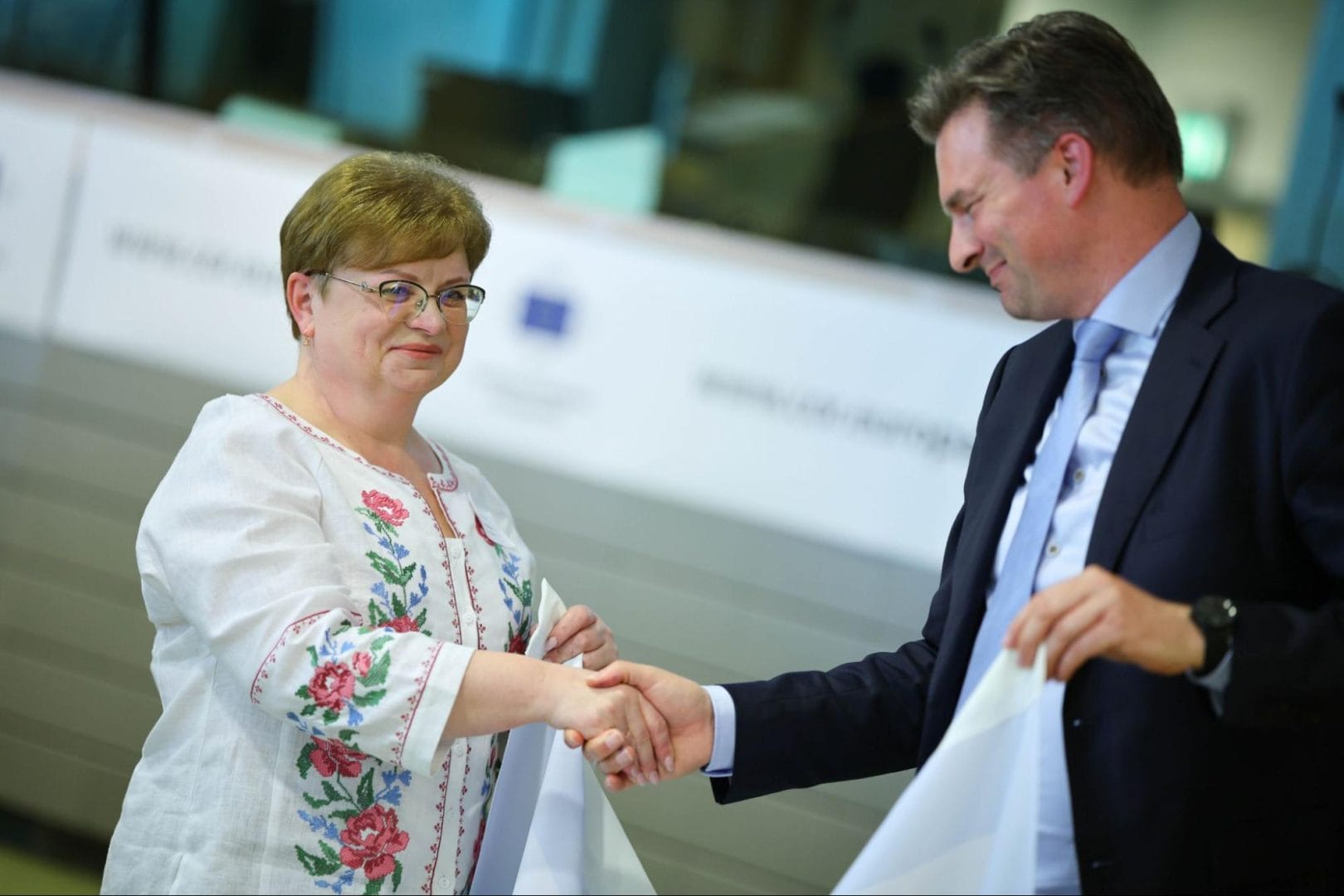
Participation in the study visit was made possible with the support of the Congressional Office for International Leadership (COIL), American Councils for International Education, the Public Diplomacy Section of the U.S. Embassy in Ukraine, and the International City/County Management Association (ICMA).