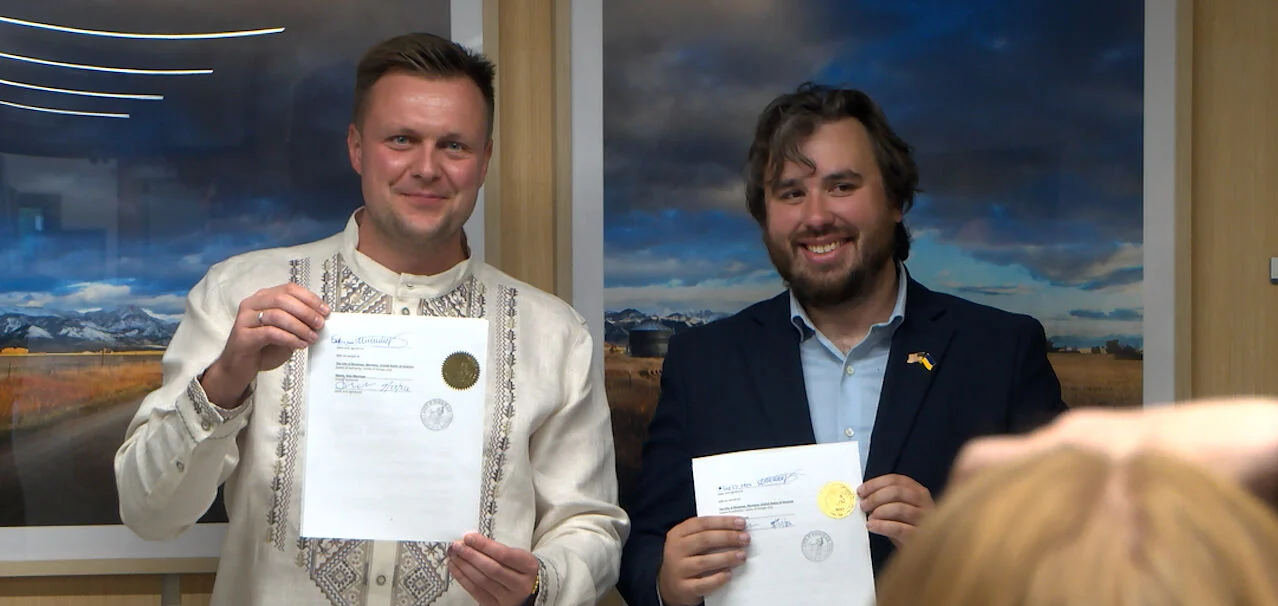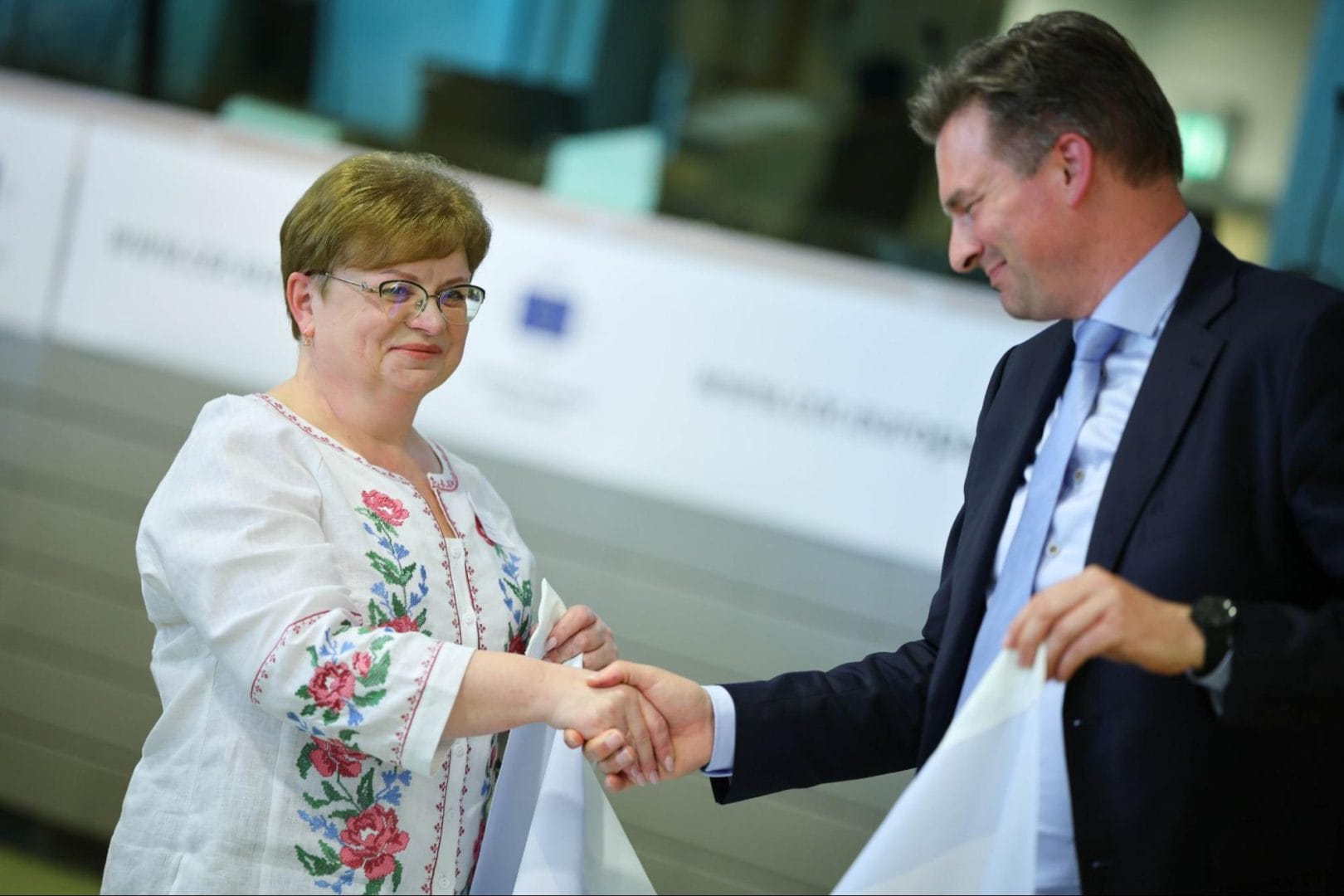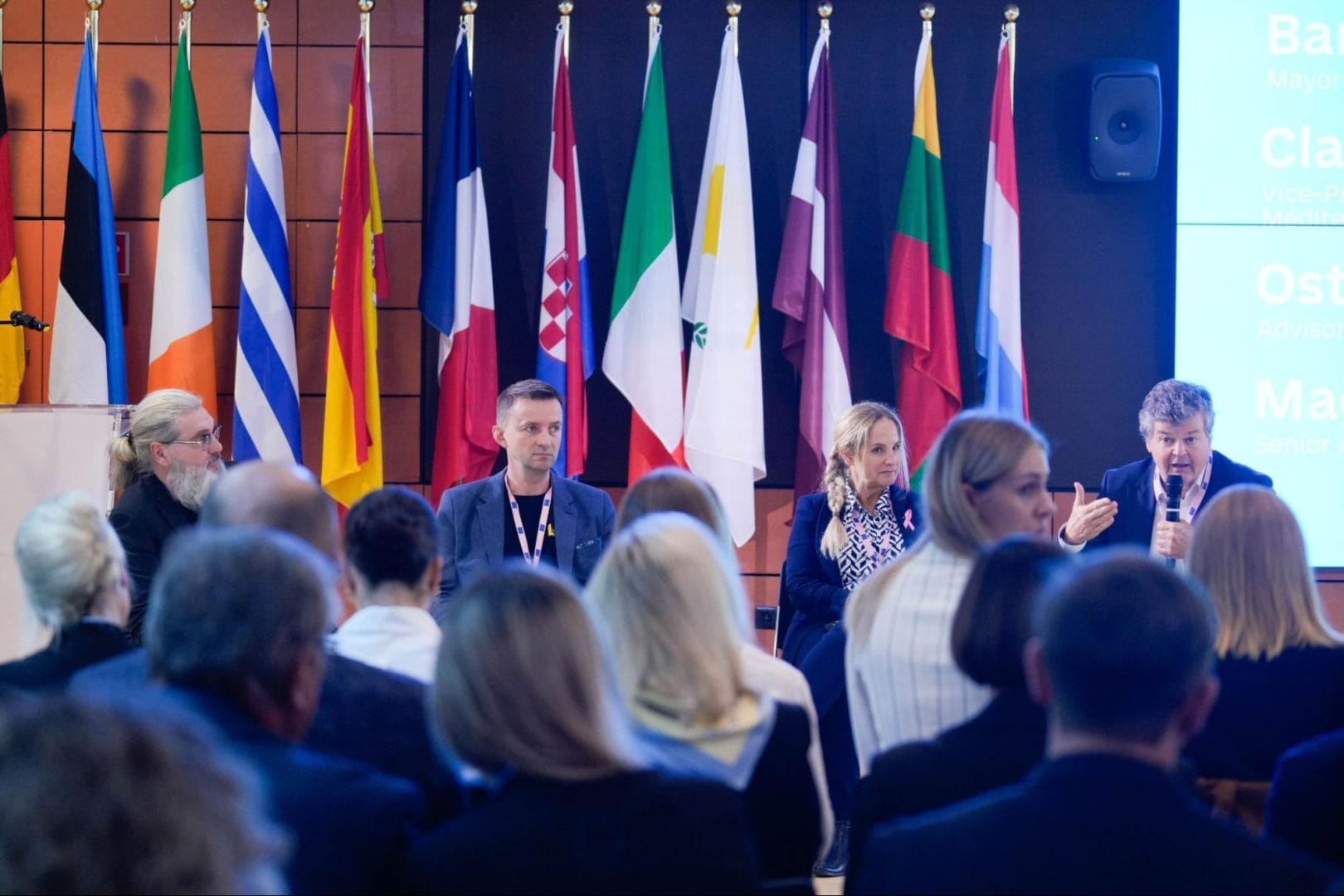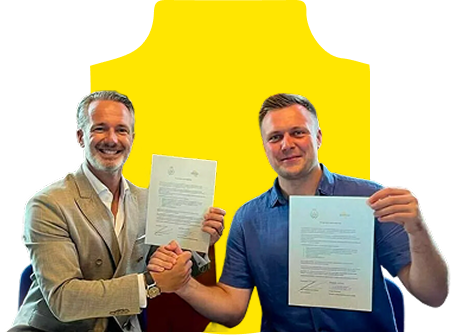
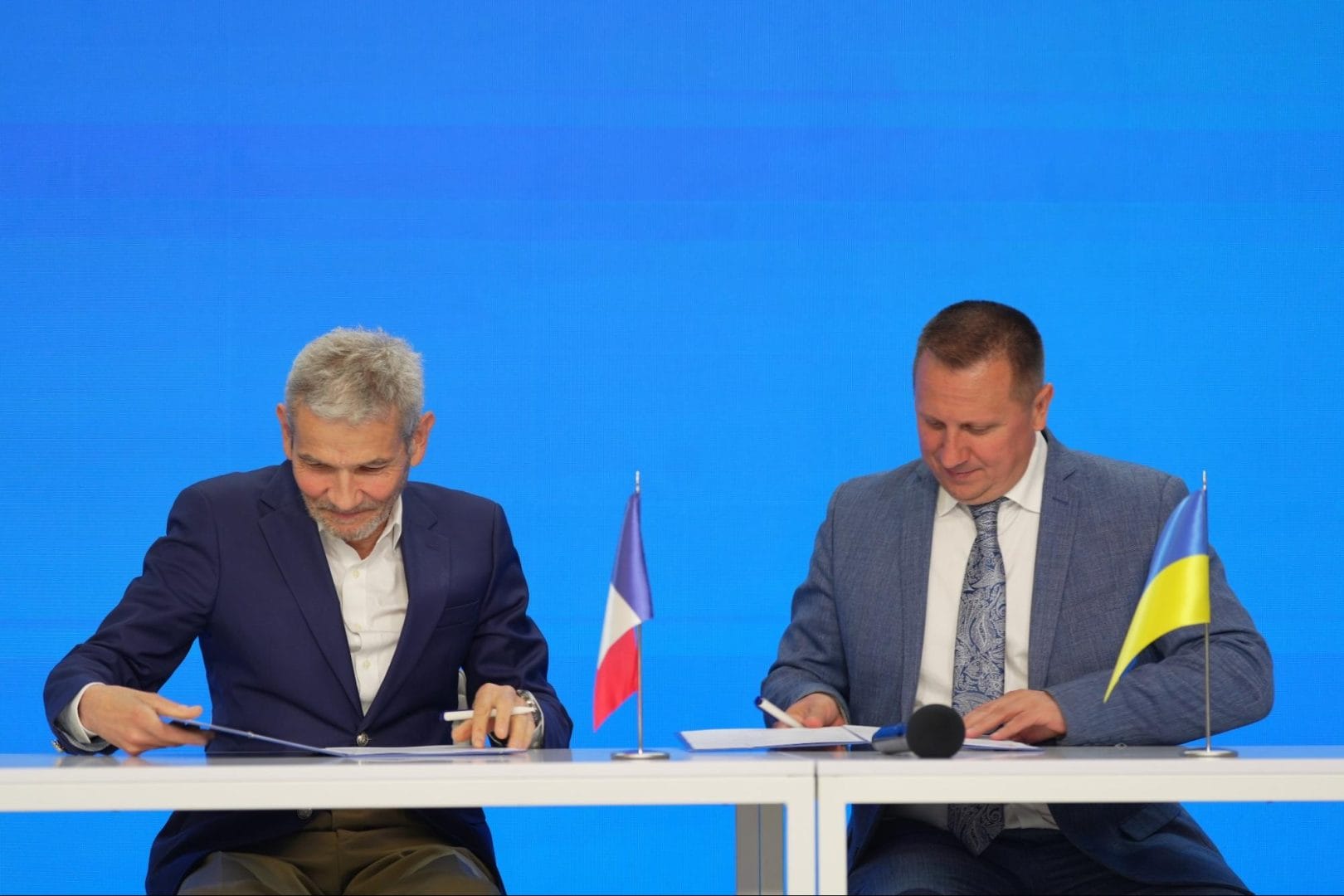
The Bilohorodka municipality and the French city of Bures-sur-Yvette have officially become partners. The cooperation agreement was signed on May 26 during the Summit of Cities and Regions under the President of Ukraine – following several months of getting to know one another, joint visits, and the gradual establishment of ties between the municipalities.
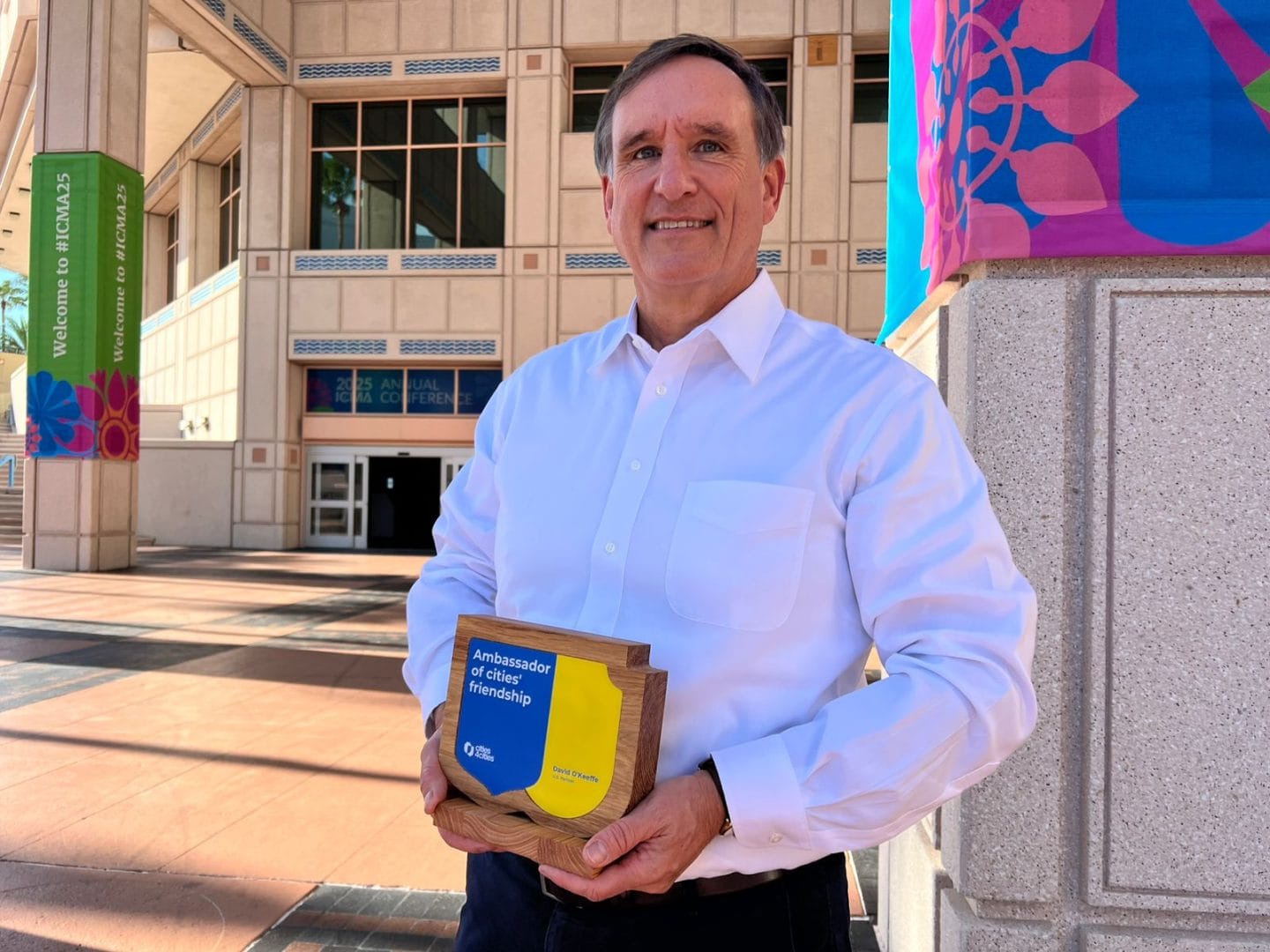
This partnership was made possible by the NGO Stand with Ukraine and its president, Edward Mayor, honorary Ambassador of Cities’ Friendship. It was through their initiative that the municipalities first connected, and with the support of Cities4Cities experts as part of the Polaris Programme “Supporting Multilevel Governance in Ukraine,” the partnership has since grown.
The first contacts between Bilohorodka and Bures-sur-Yvette began back in the autumn. Thanks to expert support, the municipalities quickly discovered they had much in common: both are located near their capitals, surrounded by forests and green spaces, and both focus on youth, education, and community development.
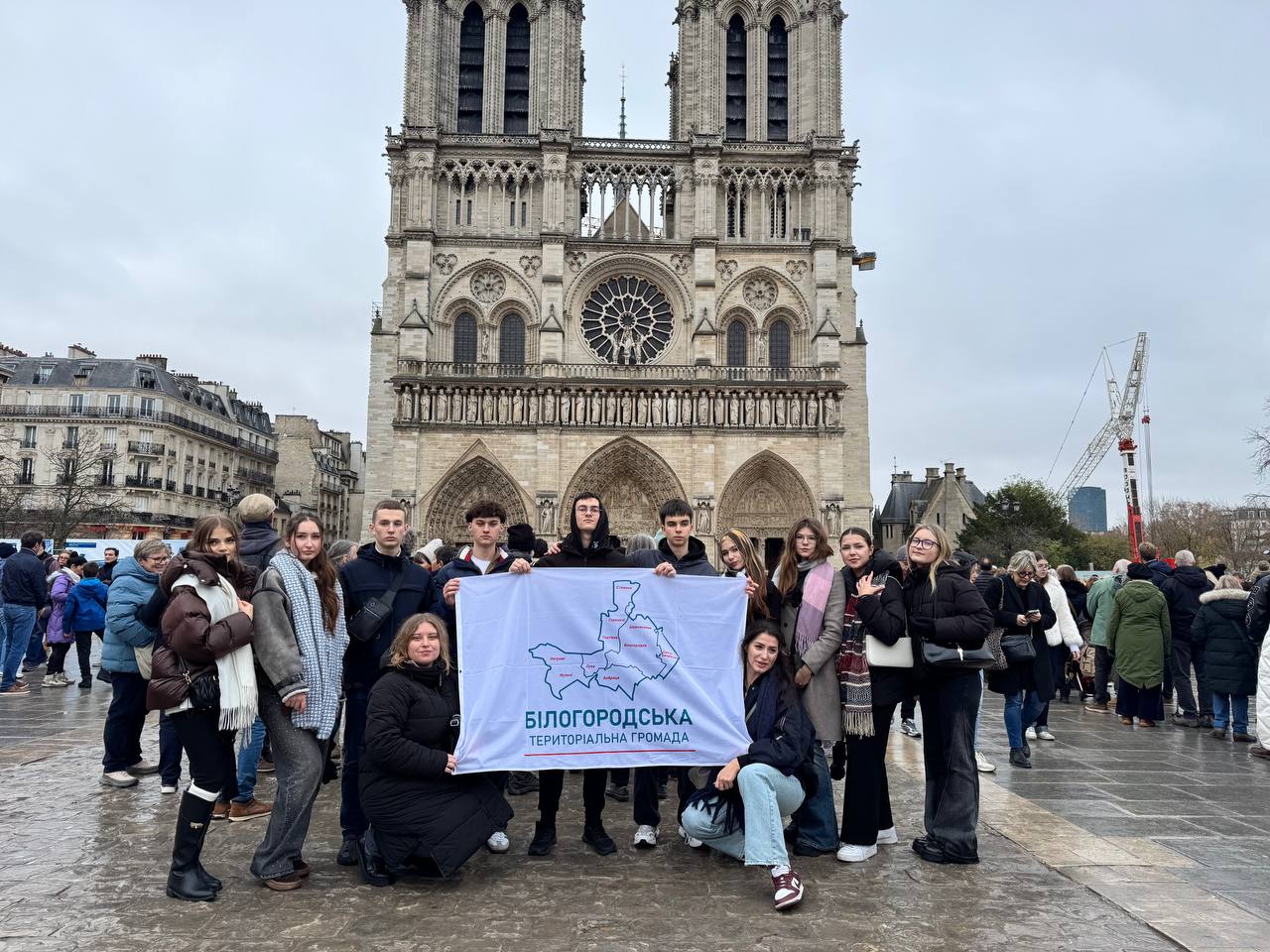
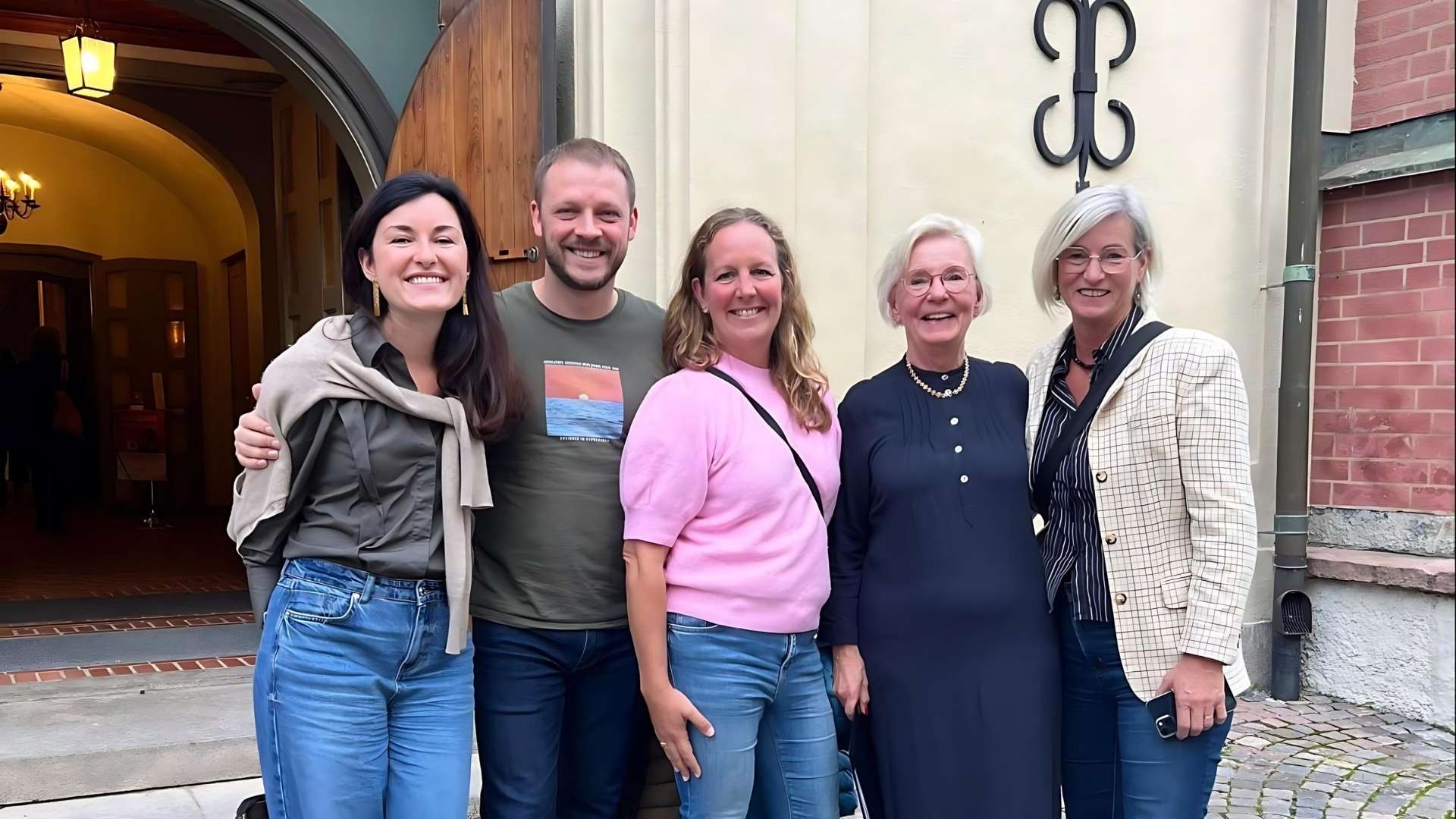
In November, representatives of the Bilohorodka Youth Council traveled to France for a ten-day visit. The delegation received a very warm welcome there – the participants recall that it felt as though the entire city had been waiting for their arrival.
It was during this visit that the mayors of the municipalities met in person for the first time, and after the Ukrainian delegation returned, communication between the teams continued, focusing on specific ideas for cooperation.
The next step was the visit to Ukraine by Jean-François Vigier, mayor of Bures-sur-Yvette, as part of a French delegation organized by Stand with Ukraine. Ahead of the summit, he visited Bilohorodka: he toured a school, met with young people and the municipality team, visited a hospital and sports facilities, and learned about local projects. They also discussed the development of recreational areas and the municipality’s work on green spaces – a topic particularly close to the French mayor’s heart.
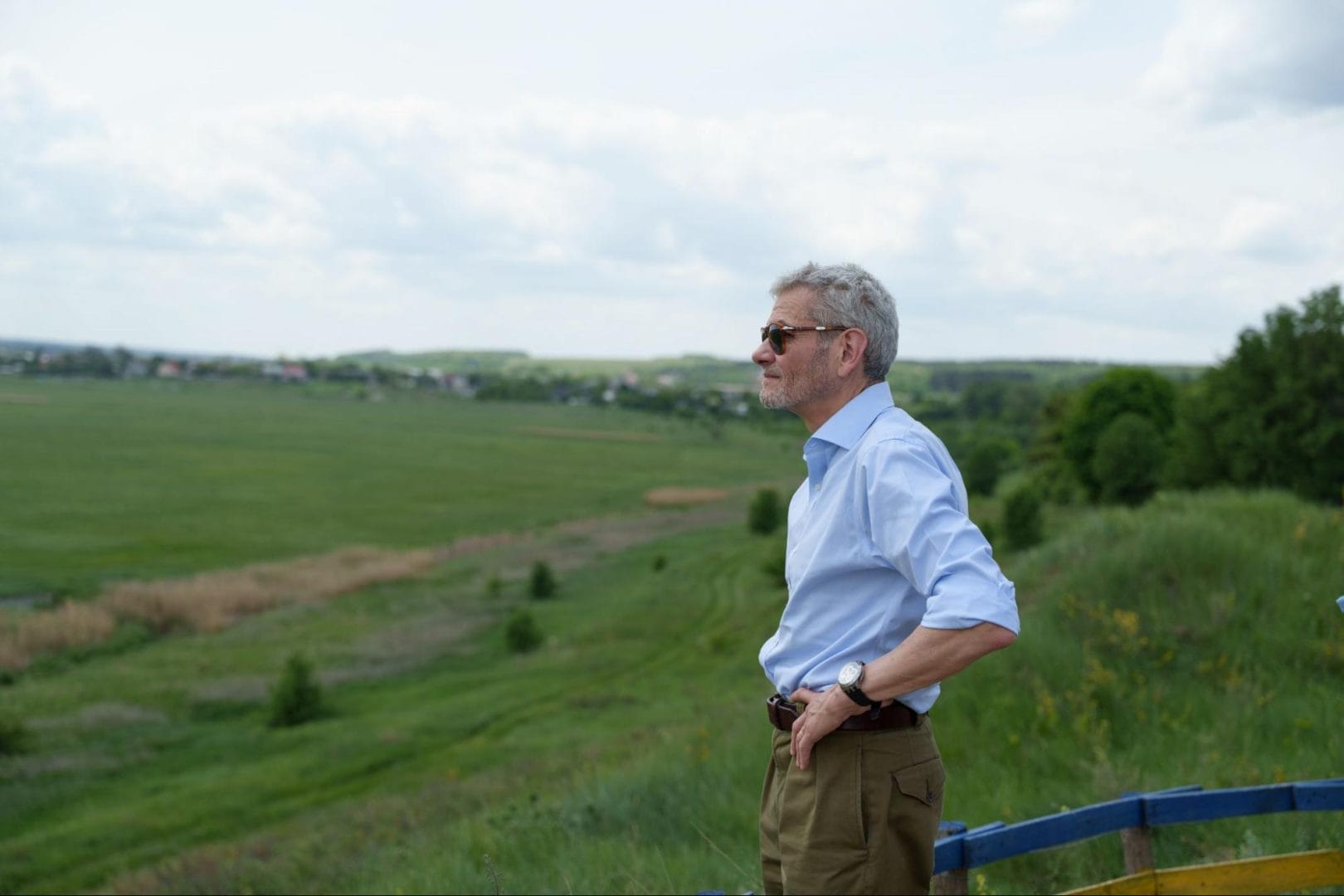
“It was important for me to visit Bilohorodka in person, because no conversation or photograph can replace actually meeting the municipality and the people. You really feel close to nature here, and it reminded me of our Bures-sur-Yvette. But at the same time, it’s impossible not to notice how much the war is present in people’s daily lives. And this visit helped me understand what life in Bilohorodka is really like,”
The young people of Bilohorodka made a particularly strong impression on the French delegation. The partners are already discussing a new visit by Ukrainian children to France at the end of the year. In Bures-sur-Yvette, they are convinced that such exchanges create much deeper bonds between people than official meetings.
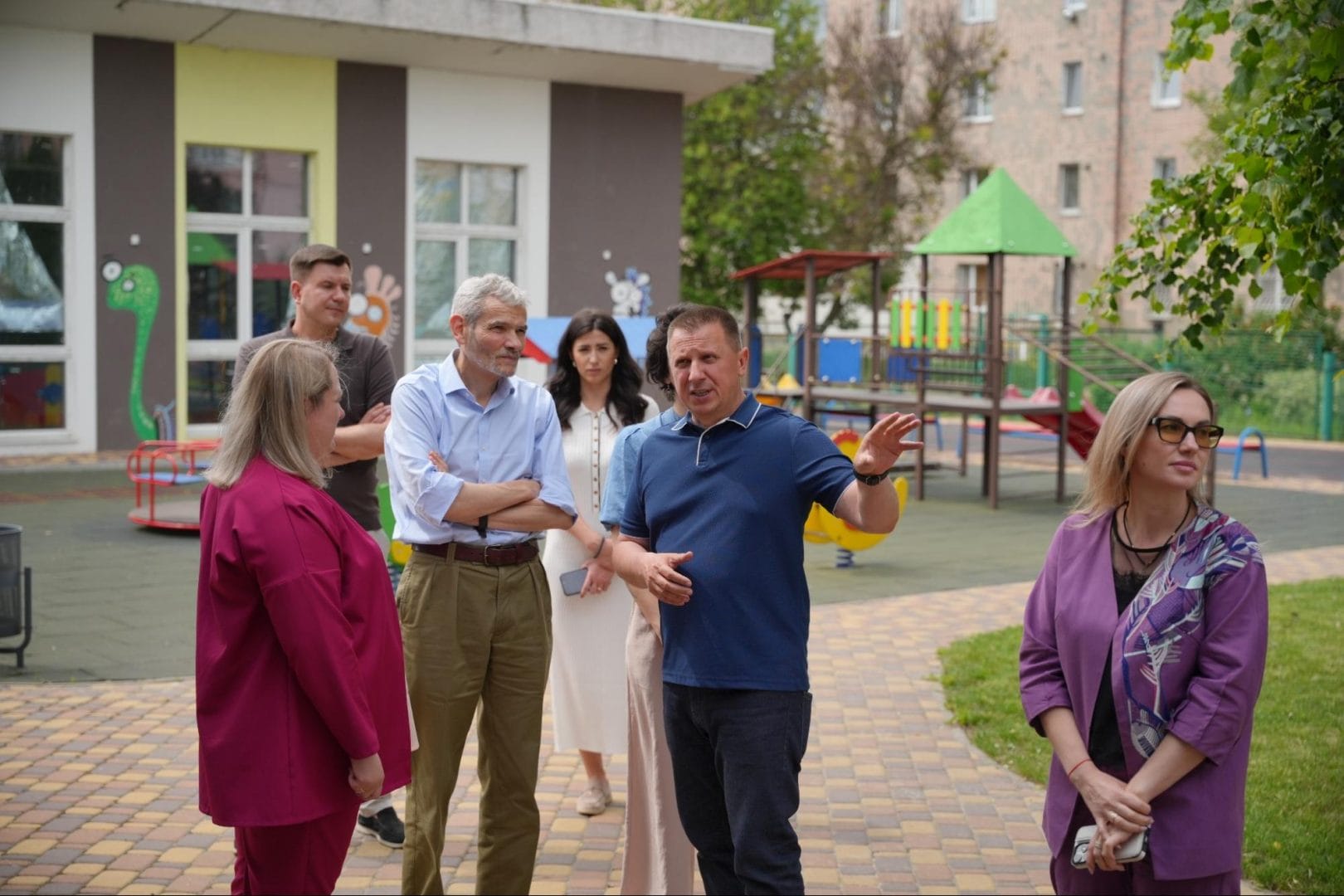
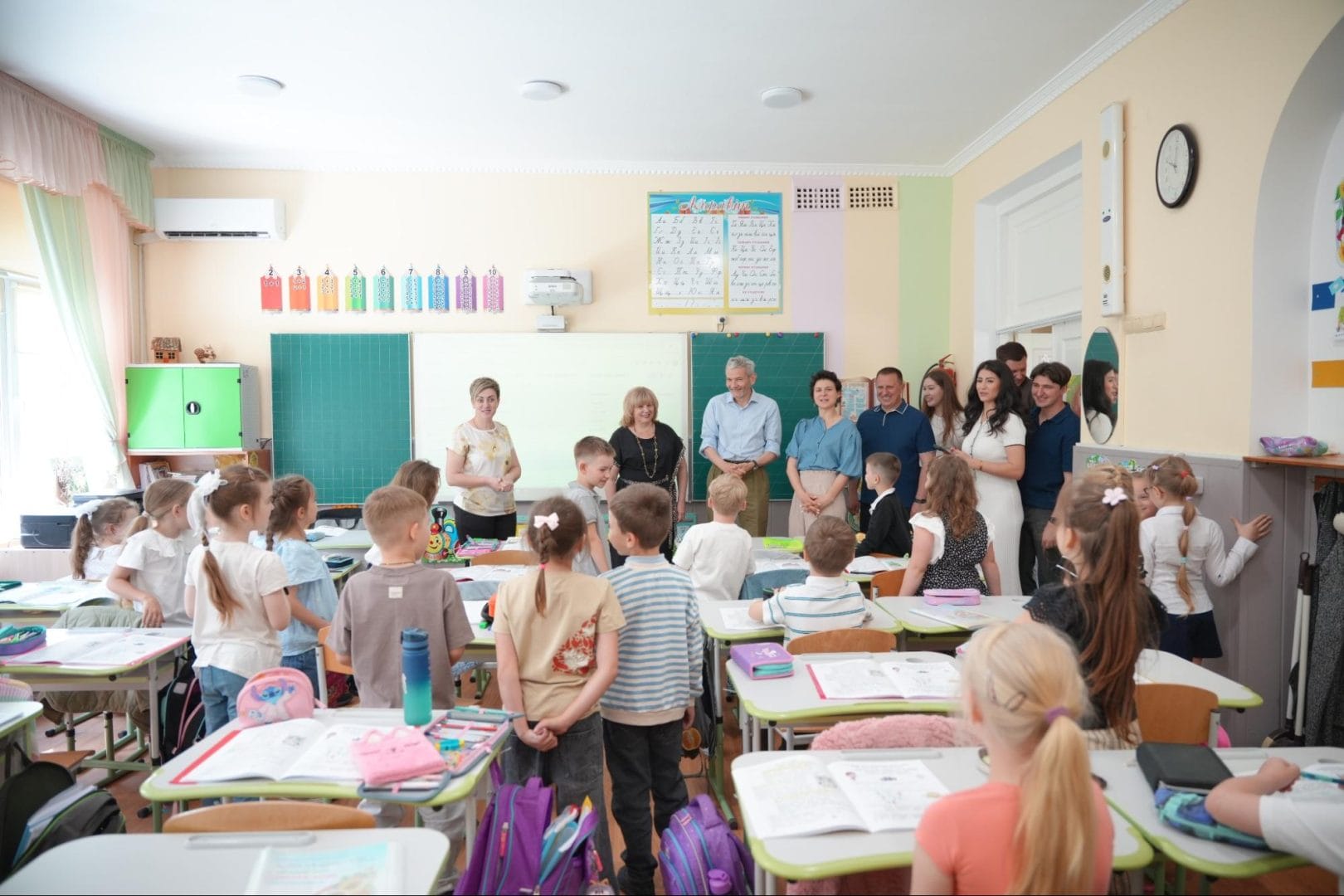
The agreement signed during the Summit of Cities and Regions was a natural progression of the initial contact, which over the course of several months evolved into active engagement between the people, teams, and youth of the two municipalities. Bilohorodka and Bures-sur-Yvette agreed to develop cooperation in the areas of youth, education, culture, and sports – precisely the areas that both municipalities consider their priority.
“We greatly appreciate it when international partners not only invite Ukrainian municipalities to visit them but also come to Ukraine themselves, meet the people, and see our daily lives and the context in which we work today. It is precisely these kinds of visits that build genuine trust between municipalities and transform an official partnership into a real human connection,”
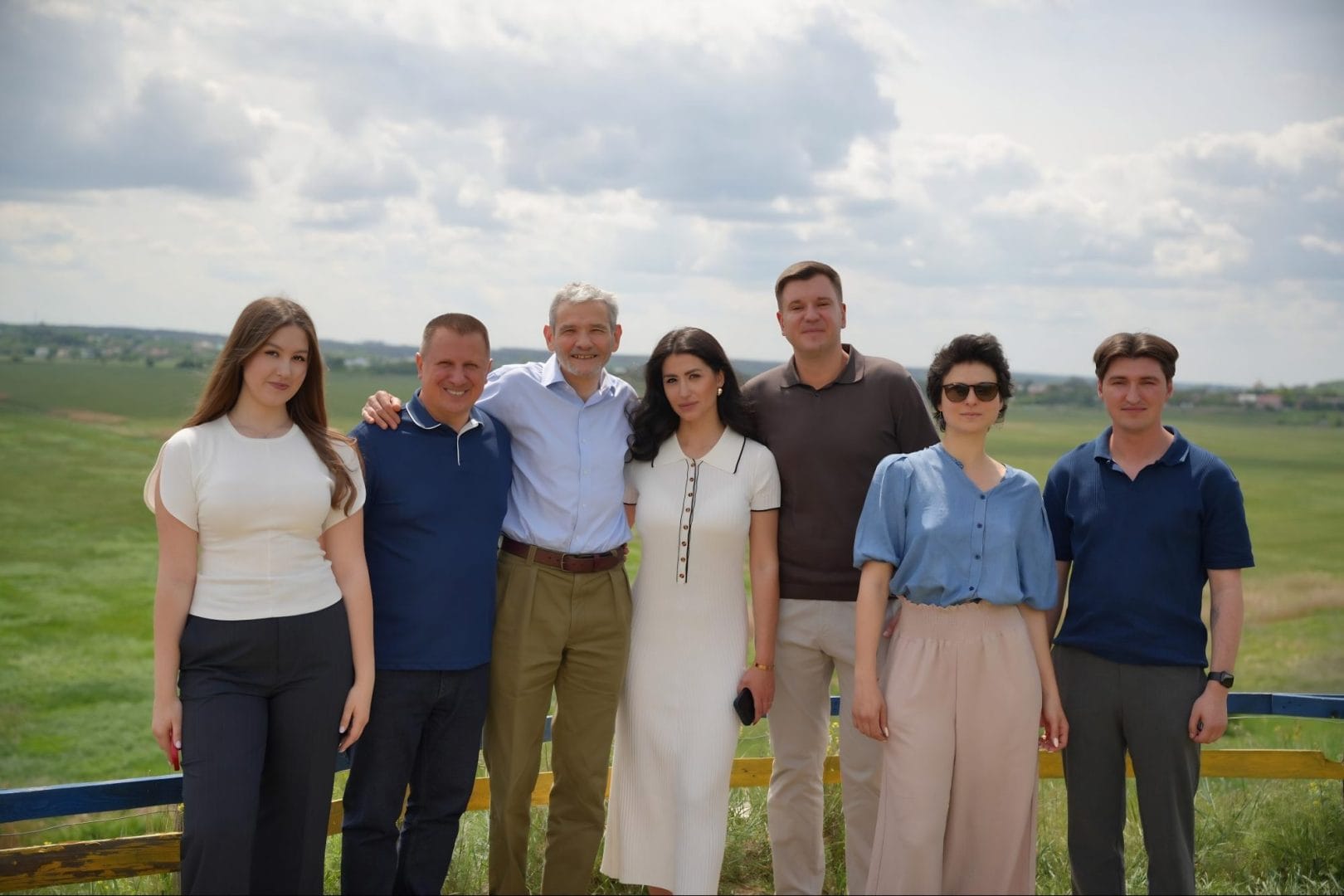
The partnership between Bilohorodka and Bures-sur-Yvette became one of the new Ukrainian-French municipal partnerships launched during the Summit. The visit of the French delegation to Ukraine was coordinated by the NGO Stand with Ukraine, which continues to help communities in both countries find common ground and build long-term cooperation.
The Cities4Cities initiative implements the “International Municipal Cooperation” sphere of the Polaris Programme “Supporting Multilevel Governance in Ukraine,” which is funded by Sida and implemented by SALAR International.