This article was originally published on November 4, 2026, on the website of the Center for Homeland Defense and Security (CHDS) at the Naval Postgraduate School. It is republished here by Cities4Cities.
Original article: Ukrainian Mayors Share Wartime Leadership Lessons with CHDS Participants.
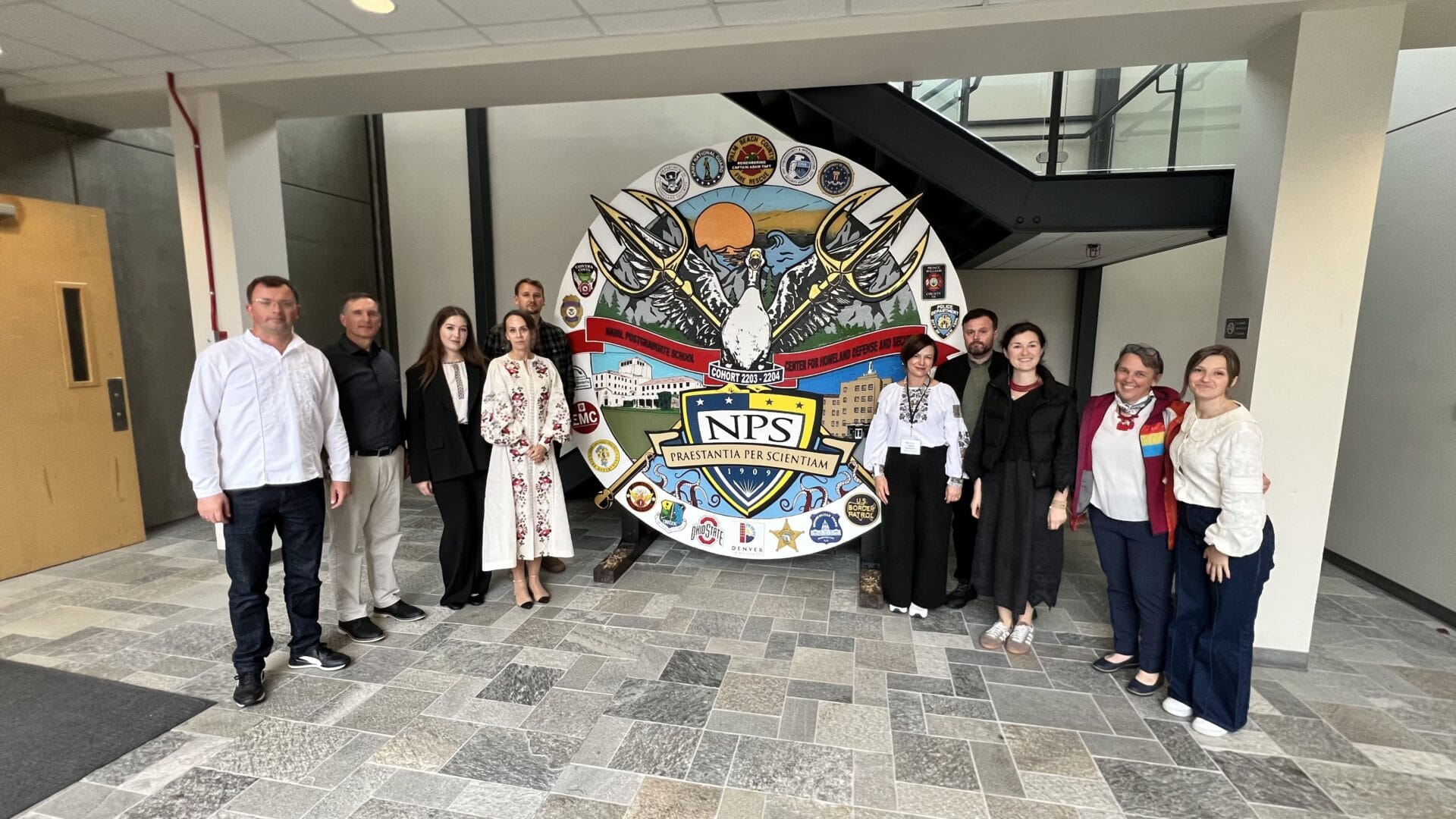
A delegation of Ukrainian local government leaders visited Monterey in October as part of an ongoing partnership between the city of Monterey and the Ukrainian community of Shabo, a village in Ukraine’s Odesa region near the Black Sea coast. The visit was coordinated through Cities4Cities, a Ukrainian nonprofit initiative that connects U.S. and European cities with Ukrainian communities to support their recovery, resilience, and local governance.
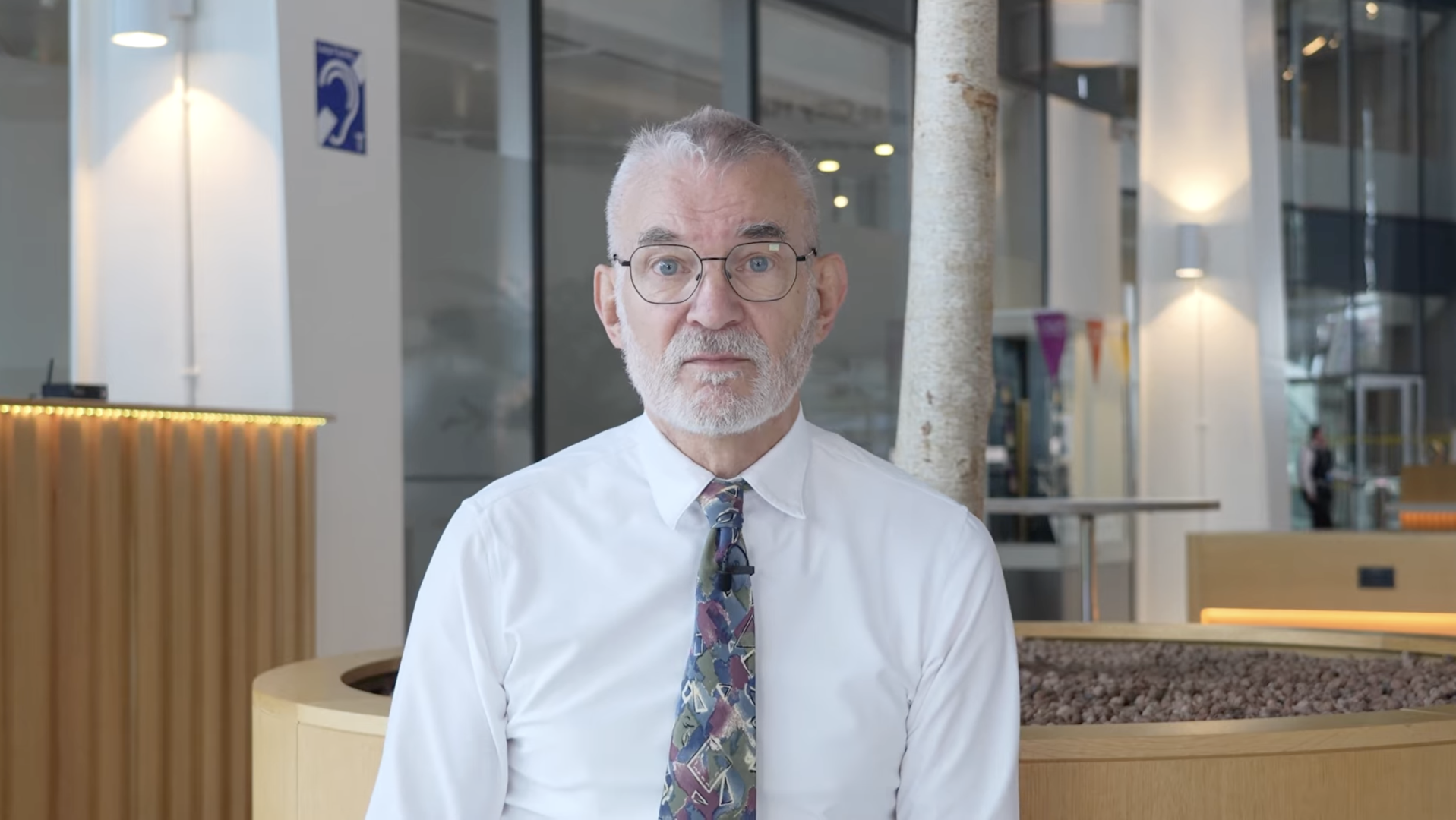
David O’Keeffe, one of the founders of CHDS and former program lead for Emergence, who now works with Cities4Cities, helped coordinate the visit and connect Ukrainian local leaders with the CHDS community. During their time in Monterey, the delegation met with local officials, community organizations, and participants at the Center for Homeland Defense and Security (CHDS) at the Naval Postgraduate School (NPS), as well as NPS military participants and faculty.
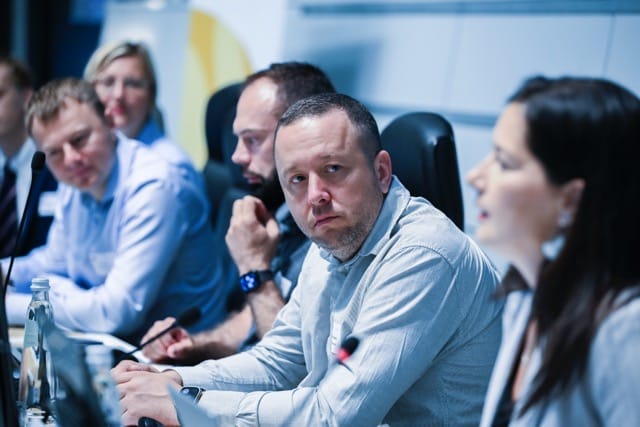
During a classroom discussion with CHDS faculty, participants, and staff, the delegation shared how they have led their communities through Russia’s full-scale invasion of Ukraine. The conversation examined challenges including maintaining essential services, responding to infrastructure attacks, supporting displaced residents, and countering disinformation.
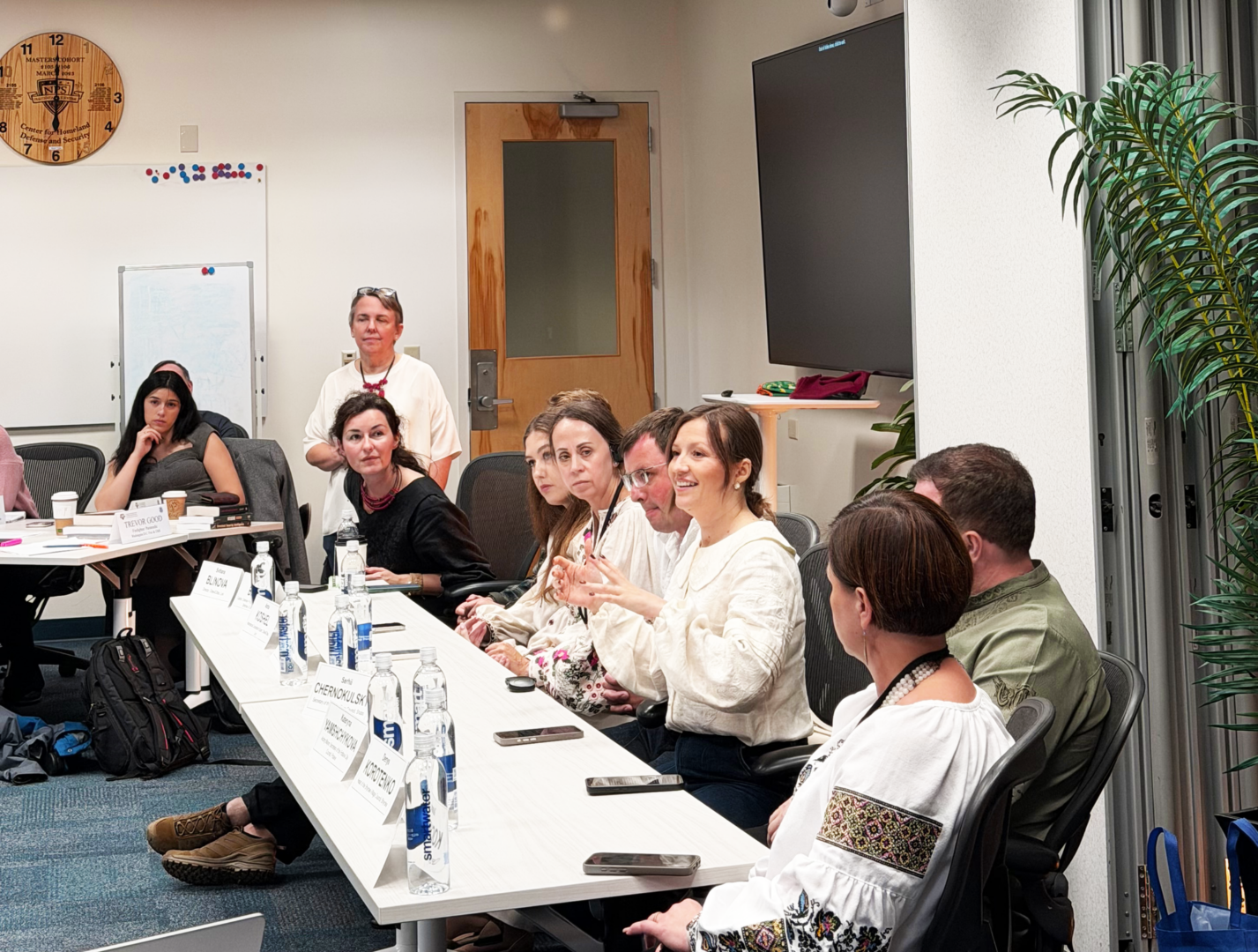
“I was particularly interested in how these leaders responded during the first days of the invasion, when so much was uncertain,” said Lauren Fernandez, CHDS faculty member who facilitated the classroom discussion. “They described how they came to understand what was happening, identified what needed to be done, and adapted as circumstances changed. Their experiences remind us that effective crisis leadership is not simply about having a plan. It is about making sense of the unexpected and helping others move forward, a lesson with direct relevance to the challenges our participants face in the United States.”
CHDS Executive Director Dr. Greg Bernard emphasized the value of the exchange.
“Our participants understand crisis leadership because many have lived it,” said Bernard. “But Ukrainian mayors bring an extraordinary perspective—leading their communities through the realities of war while continuing to deliver essential services, maintain public trust, and support their citizens. Their resilience, ingenuity, and leadership under such extraordinary circumstances offer invaluable lessons for all of us.”
For CHDS participants, many of whom serve in leadership positions across government and public safety, the discussion provided firsthand perspectives on leading through prolonged crisis.
“Ukrainian mayors bring an extraordinary perspective—leading their communities through the realities of war while continuing to deliver essential services, maintain public trust, and support their citizens. Their resilience, ingenuity, and leadership under such extraordinary circumstances offer invaluable lessons for all of us.”
One particularly impactful moment during the visit came when the room joined Ukraine’s nationwide daily minute of silence honoring those lost in the war. The observance reflected the unity, community, and shared purpose that Ukrainian leaders described throughout the discussion.
Acting Mayor and combat veteran Kateryna Yamshchykova of Poltava, a major city in central Ukraine with a population of more than 300,000, described how local governments rely on residents, volunteers, first responders, and public servants to sustain their communities throughout the war. When asked what resilience means to her, she pointed to the people who continued serving despite personal loss and hardship.
“Resilience is about names,” Yamshchykova said. “It is the school principal who got children and teachers safely into a shelter during shelling. It is the firefighter responding to emergencies in our community. It is my brother-in-arms, soldiers killed by Russia who still live in our hearts. And it is the people who continue living, growing, and doing their best for Ukraine every day.”
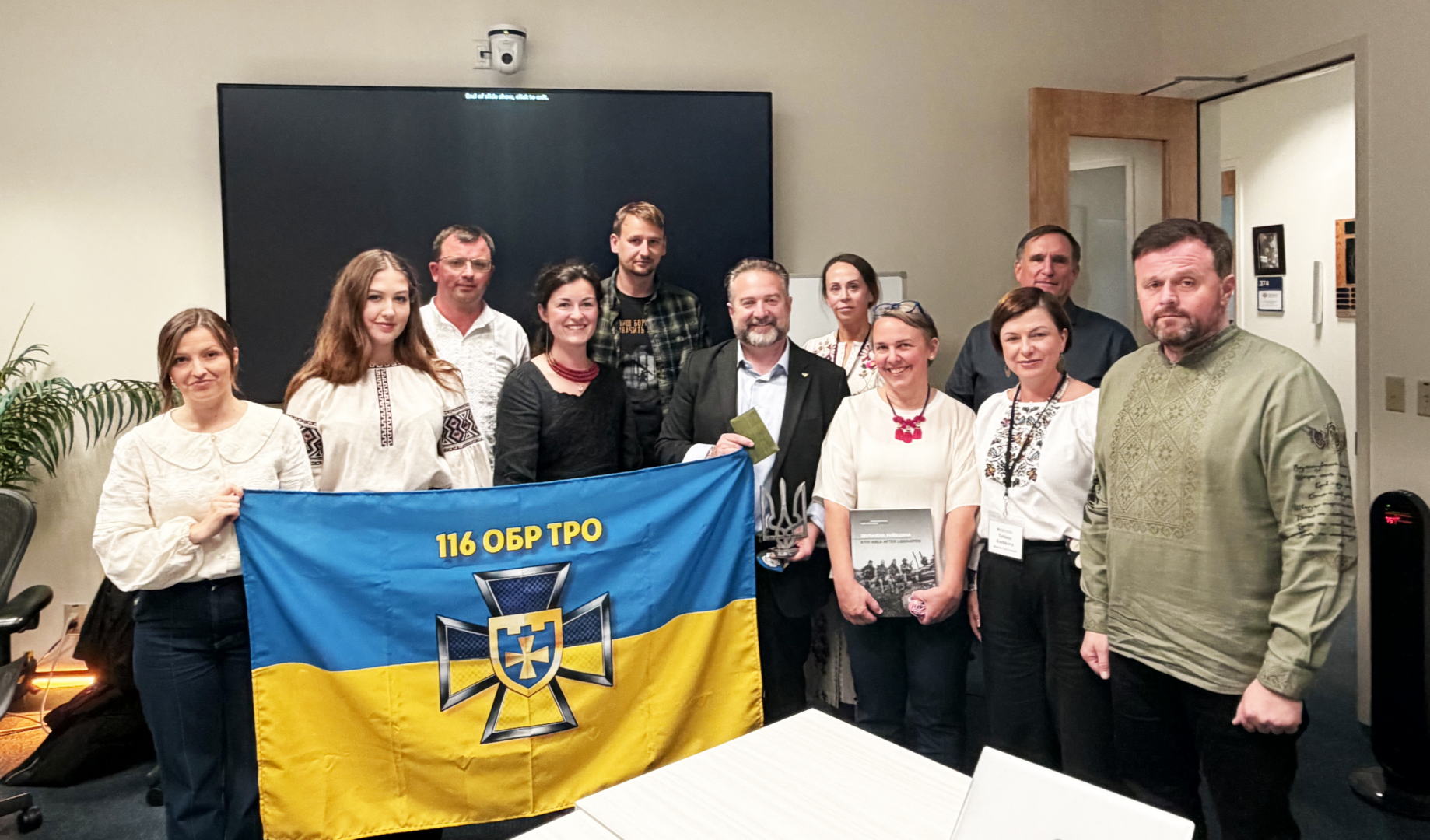
Village Council Secretary Serhii Chernokulskyi of Shabo described the confusion and uncertainty that followed the opening days of the invasion. Residents rushed to stockpile food and supplies, families sought safety, and local officials worked to establish order as transportation routes were disrupted and information remained limited.
As panic began to subside, community members organized to support one another through volunteer efforts, aid distribution, and support for the military.
“The most important thing at that moment was to provide people some instructions and to give them really direct tasks,” Chernokulskyi said. “We managed to convert all the panic into some real action.”
Delegates also discussed how attacks on critical infrastructure forced communities to rethink how they delivered services. Municipalities established resilience hubs, expanded backup power capabilities, developed distributed aid networks, and created alternative methods for supporting residents when normal operations were disrupted, helping maintain continuity of operations and continuity of government during wartime.
Participants also asked how leaders balanced their public responsibilities with concern for their own families. Delegates described making evacuation plans, supporting family members entering military service, and continuing to lead response efforts while facing the same risks as the residents they served.
Another focus of the discussion was disinformation. Liliia Skalozub, Executive Committee Affairs Manager for the Shabo Village Council, described how information operations and disinformation campaigns affected communities years before the full-scale invasion.
“The war did not begin in 2022. We had already been living through an invisible war. When you begin seeing new information channels spreading false narratives and trying to influence people’s thinking, that is often the first sign.”
Skalozub emphasized the importance of trusted communication during a crisis, explaining how local governments worked to provide reliable information and maintain public confidence amid uncertainty.
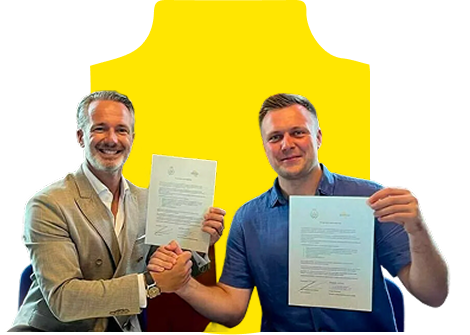
The visit grew out of an ongoing partnership between Monterey and Shabo that has supported professional knowledge exchanges on education, tourism, local governance, veteran services, and community development. During the visit, Monterey Mayor Tyller Williamson signed a proclamation reaffirming the partnership.
For the Ukrainian delegation, the visit provided an opportunity to exchange ideas with local leaders and homeland security professionals. For CHDS participants, it offered direct access to public officials leading communities through an ongoing conflict and adapting in real time to unprecedented challenges.
“You listen to these Ukrainian leaders and realize that despite years of daily Russian missile and drone attacks, they are not only innovating the delivery of public services but are implementing socio-economic projects that create strong conditions for recovery and business investment,” said O’Keeffe. “Communities around the world wishing to become more resilient and prepared only need to look to Ukraine for best practices and to the Ukrainian people for inspiration.”