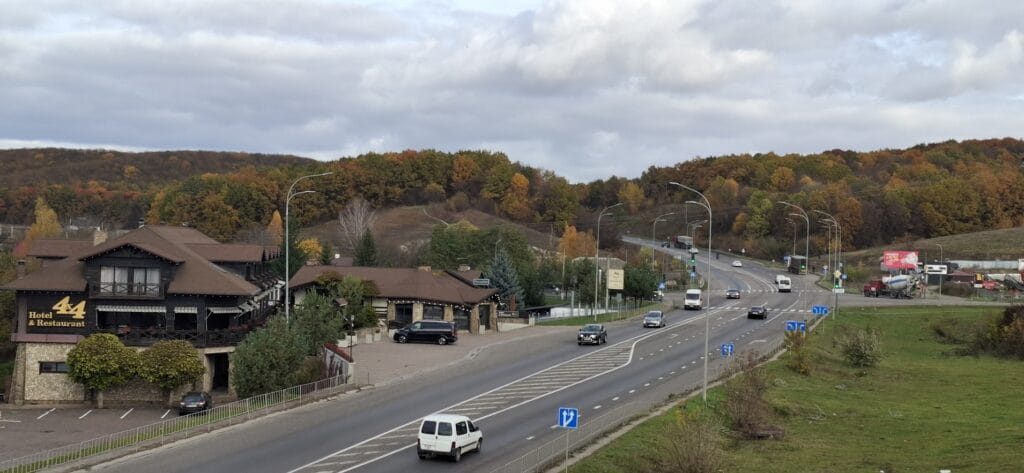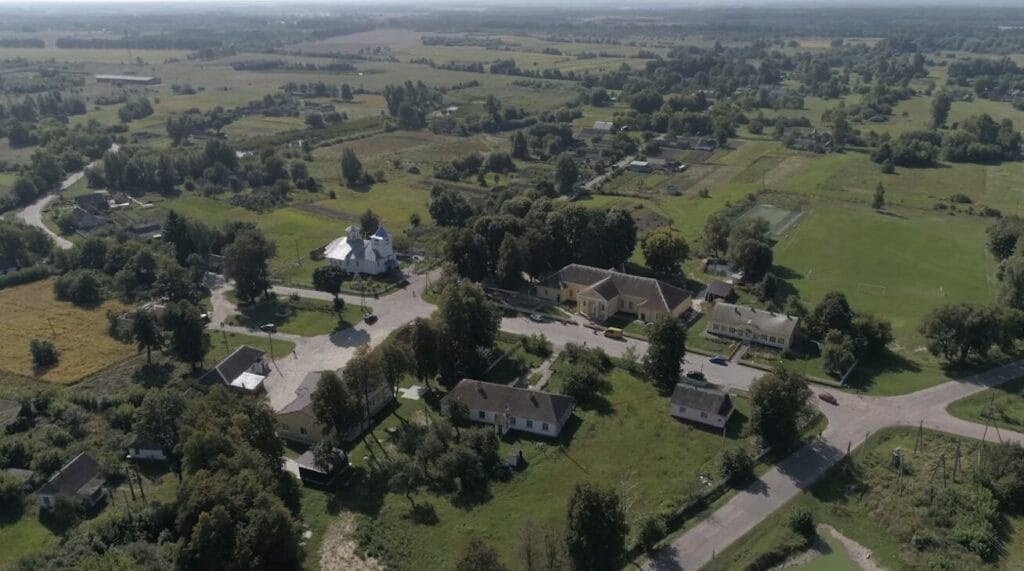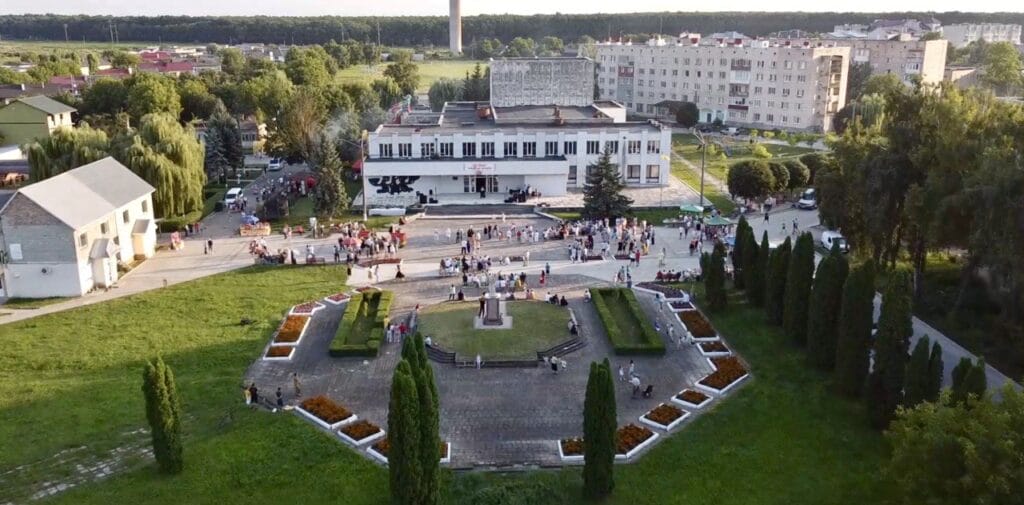
Kramatorsk Territorial Community
- Digitalization
- Education
- Environment protection
- Provision of services in times of crisis
- Water management
- Type: Urban
- Population: 79,875
- IDP: 17,583
Kramatorsk Municipality is seeking partners with whom it is ready to share experience in city
management under extraordinary circumstances, methods of civil protection of the population,
including strategies for increasing the resilience of life-support systems and responding to crisis
situations.
People of the community
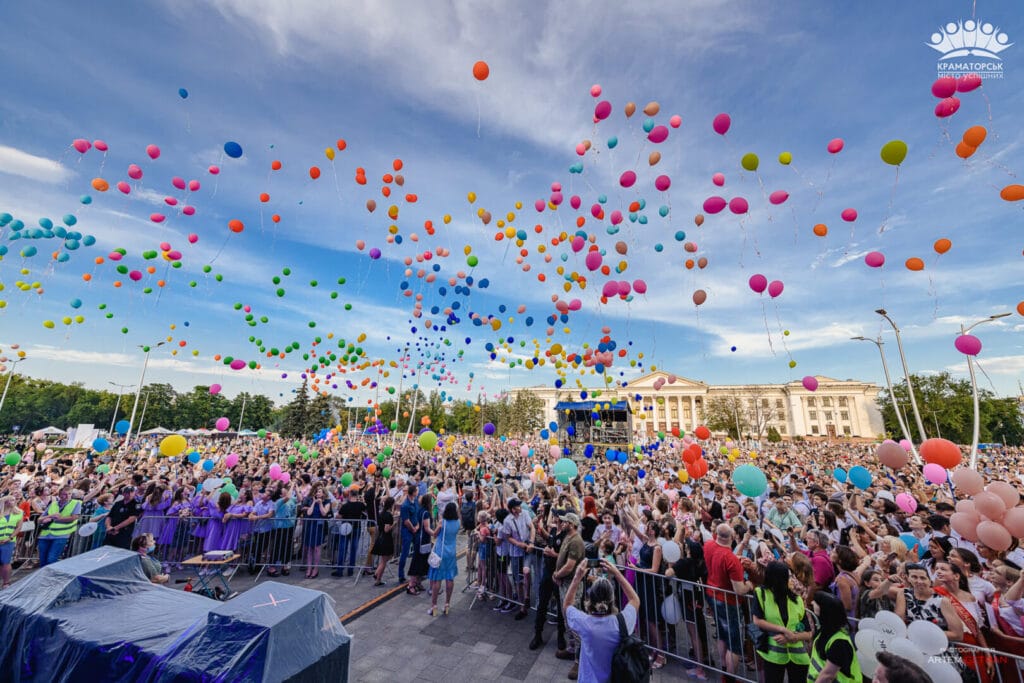
Kramatorsk Municipality is the industrial heart of Donbas, where prior to the start of the Russian-Ukrainian war, events were held that united thousands of people and created a special atmosphere of unity. Grand concerts on the central square, fairs and record-breaking fireworks, gastronomic events and literary evenings, patriotic actions and festivals created a unique rhythm of city life. Today, memories of Kramatorsk are closely linked to its survival during the war and the large number of people who have left the city but maintain memories of it.
Despite constant security challenges, an active and responsible population continues to live in the Kramatorsk Municipality. The people who remained in the city ensure the stable functioning of critical infrastructure, the work of communal enterprises, and the provision of public services. Healthcare and social protection institutions work continuously, adapting to wartime conditions.
Doctors, social workers, and communal service employees perform their work daily, often risking their own safety, but realising its importance for the community. A special role in the life of the Kramatorsk Municipality is played by the volunteer movement.
Residents are actively involved in helping internally displaced persons, the elderly, and those who find themselves in difficult life circumstances. Volunteering has become not just a form of support, but a manifestation of true unity and mutual responsibility.
The war forced the municipality to make important decisions as quickly as possible, adapt management processes, and build new formats of assistance to the population. On the initiative of the Head of the Kramatorsk Municipality, "Nash Kramatorsk" (Our Kramatorsk) Hubs were opened in the cities of Kyiv and Dnipro. They have become important support centres for the residents of the Kramatorsk Municipality who were forced to leave their homes due to the hostilities.
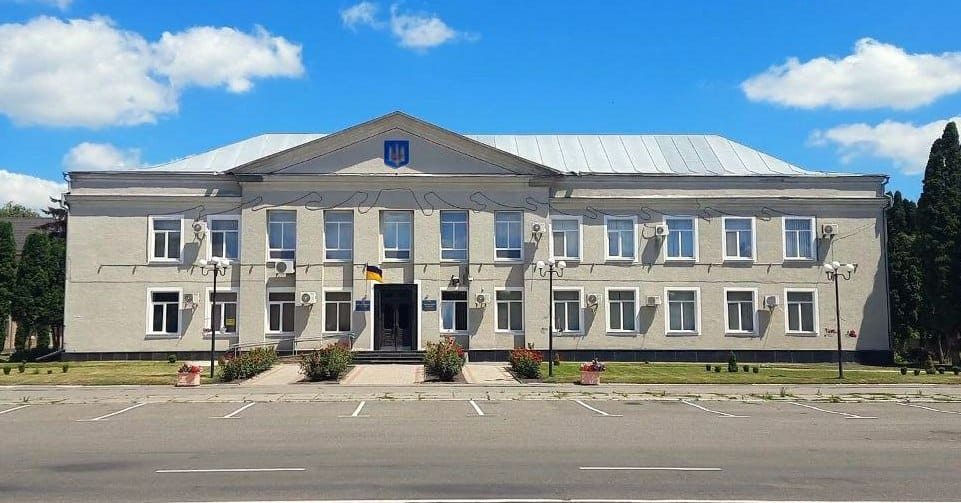
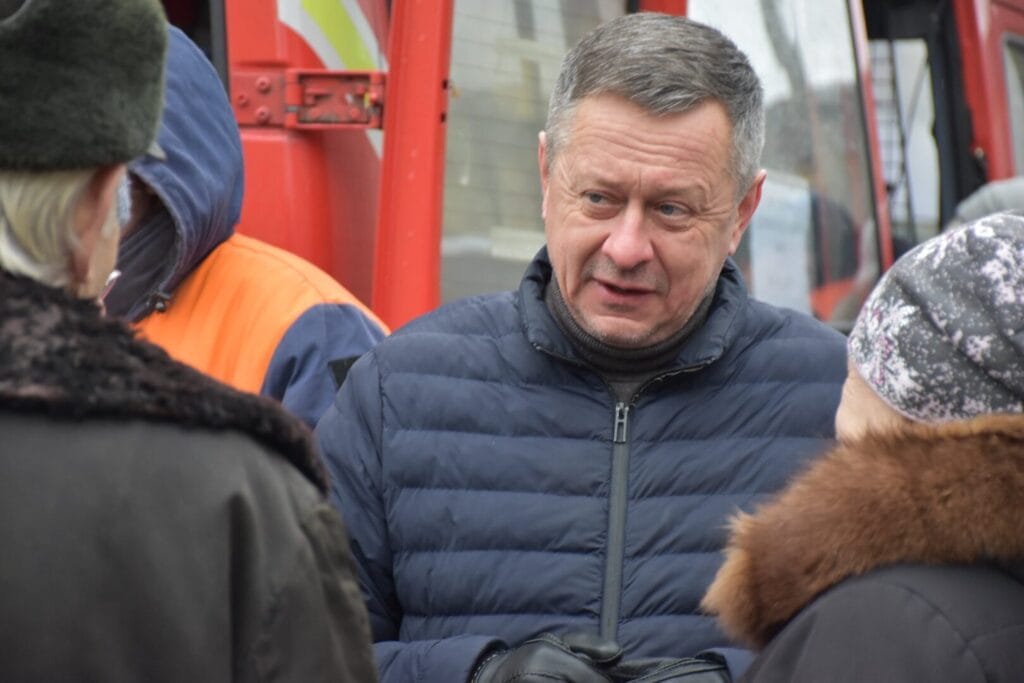
The Head of the Kramatorsk City Military Administration is Oleksandr Honcharenko. Under his leadership, the Kramatorsk Municipality operates under wartime conditions, maintaining resilience, cohesion, and faith in the future. The city authorities concentrate efforts on the safety of residents, supporting critical infrastructure, helping internally displaced persons, and interacting with volunteers and international partners.
The community and the war
In 2014, Kramatorsk became one of the settlements from which the occupation of part of the Donetsk region territory began. The liberation of Kramatorsk on 5 July 2014 opened a new chapter in its history. The city acquired the status of the regional centre and received a chance for transformation. In the following years, Kramatorsk gradually changed: infrastructure was updated, education and medicine were developed, transport was improved, cultural life was invigorated, new jobs were created, and comfortable living conditions were formed. The city lived, people made plans, raised children, and confidently moved forward after the trials they had endured.
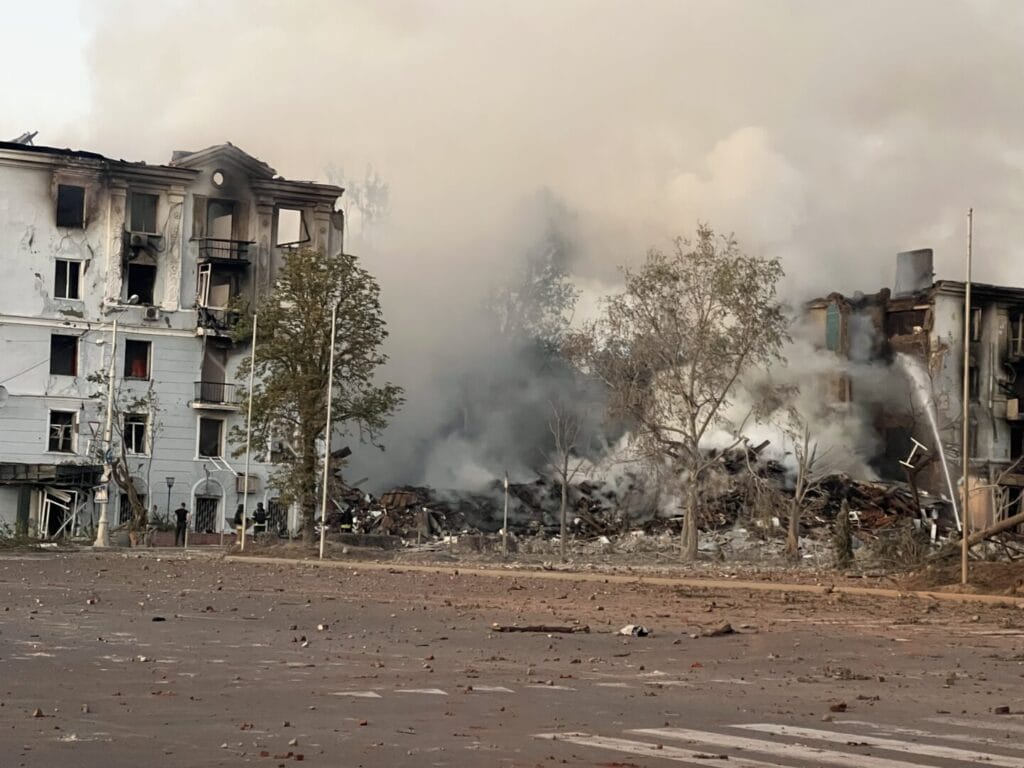
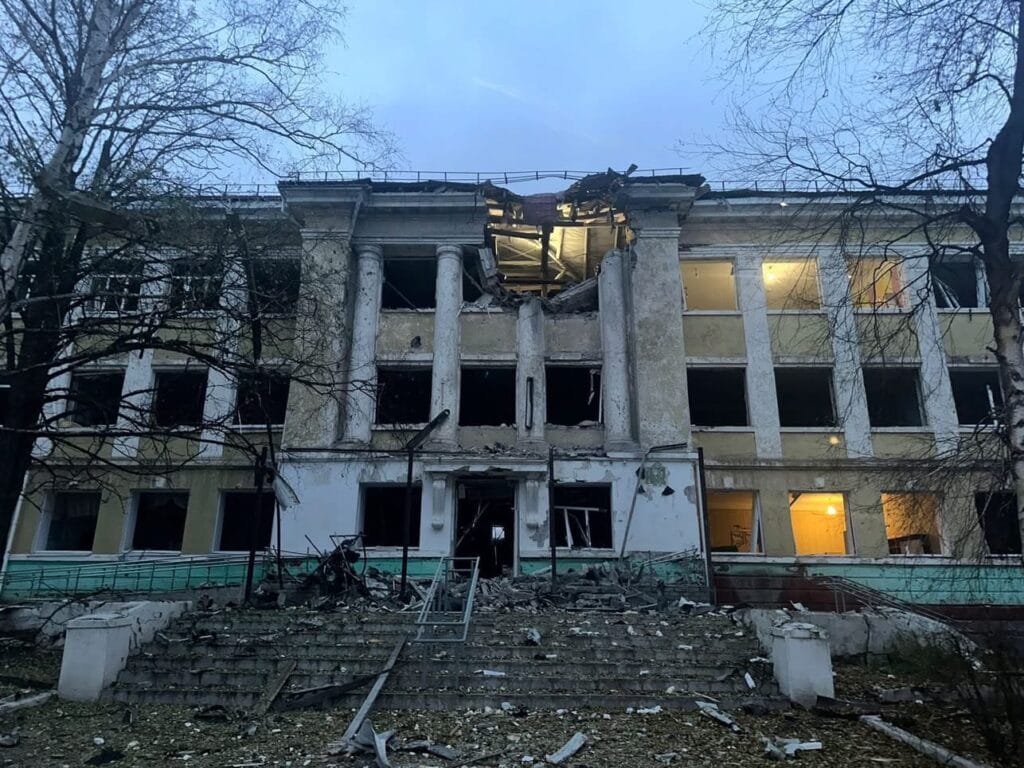
Since 24 February 2022, Kramatorsk has come under mass shelling. Local factories, schools, and residential buildings have suffered destruction. The war once again abruptly changed the everyday life of the city, bringing losses and serious challenges for the community. Some residents left, while others remained to support the city, work, volunteer, and help those who need it most.
The existence of Kramatorsk under wartime conditions is a combination of difficult trials and faith in the future. Life is complicated by danger, destruction, and exhaustion, but it is precisely in these conditions that the strength of the community has especially manifested itself. People united to support one another, restore what was damaged, and preserve humanity. Doctors, communal services, critical infrastructure workers, social services, and volunteers are working — everyone who keeps the city alive every day.
Despite the losses and difficulties, Kramatorsk did not break. It learned to live in a new reality without losing the desire for a peaceful future. Today, this city is a symbol of resilience, responsibility, and community unity, which even in the most difficult times continues to fight for life, freedom, and the right to tomorrow.
History
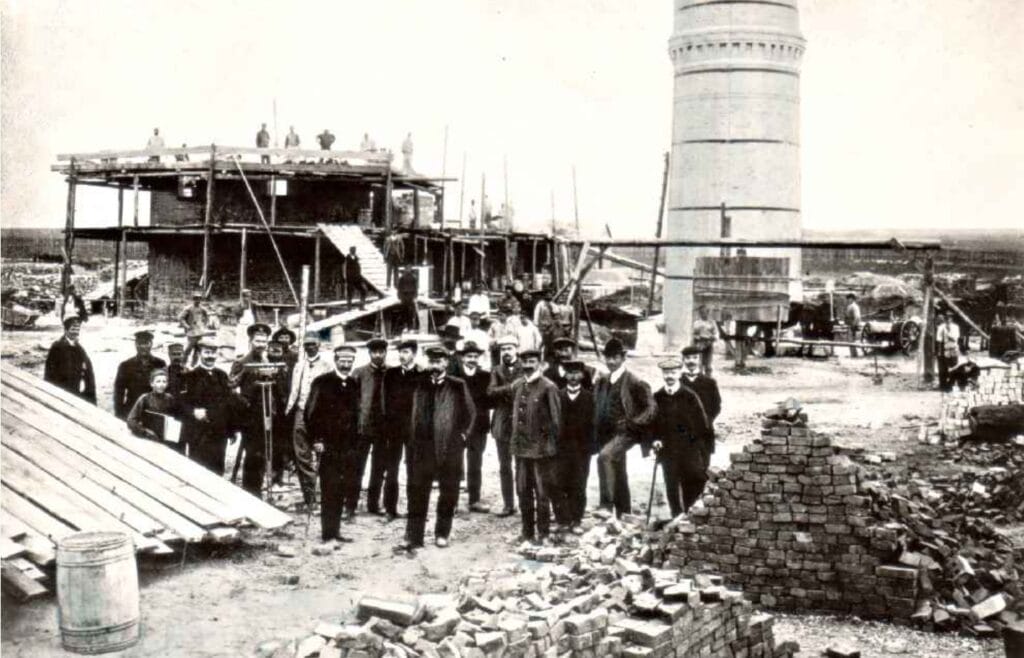
The industrial development of Kramatorsk was established at the end of the 19th century by Konrad Gamper — a Swiss industrialist. On his initiative, a mechanical plant and metallurgical production were created, which initiated the development of mechanical engineering and metallurgy. In 2016, one of the city streets was named in his honour.
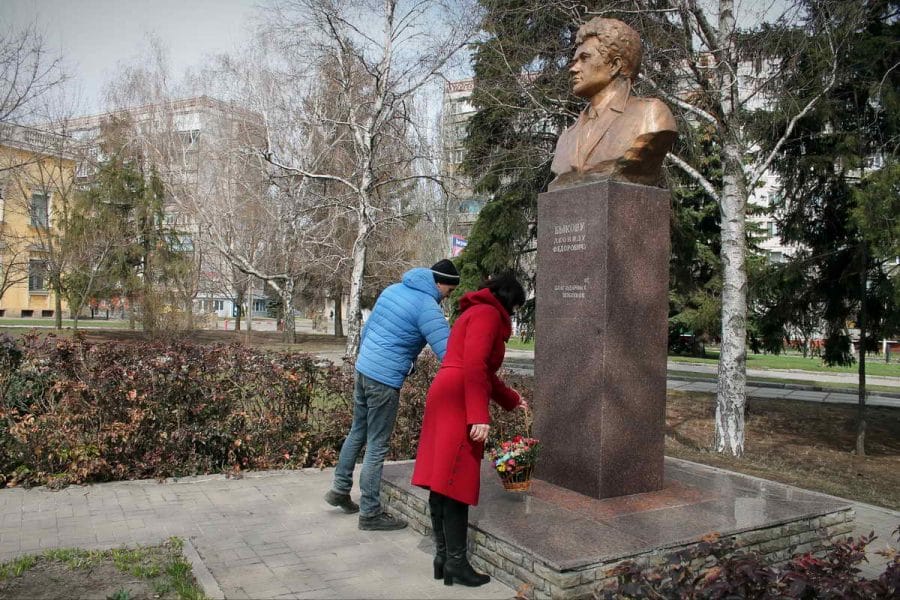
The names of Leonid Bykov — a prominent actor, director, and screenwriter who lived during the USSR era and maintained a firm Ukrainian position — are also associated with Kramatorsk.
PALEONTOLOGICAL TREASURES OF KRAMATORSK
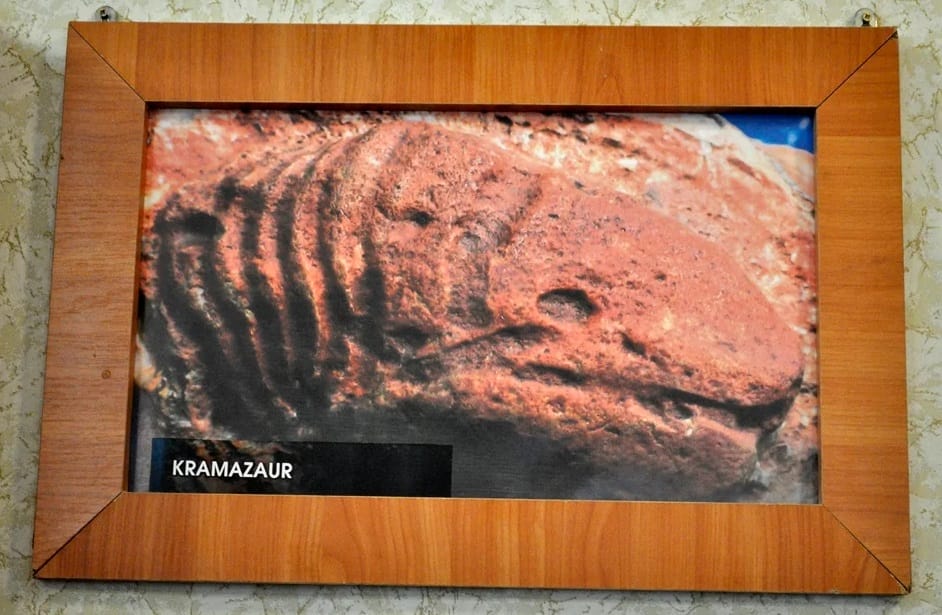
The Kramatorsk Museum of Local History, which is distinguished by a significant number of exhibits, has a unique paleontological exhibit: a fossilised specimen of a previously unknown dinosaur species, named "Kramazaurus" in honour of the city.
KRAMATORSK — A CITY OF PARKS
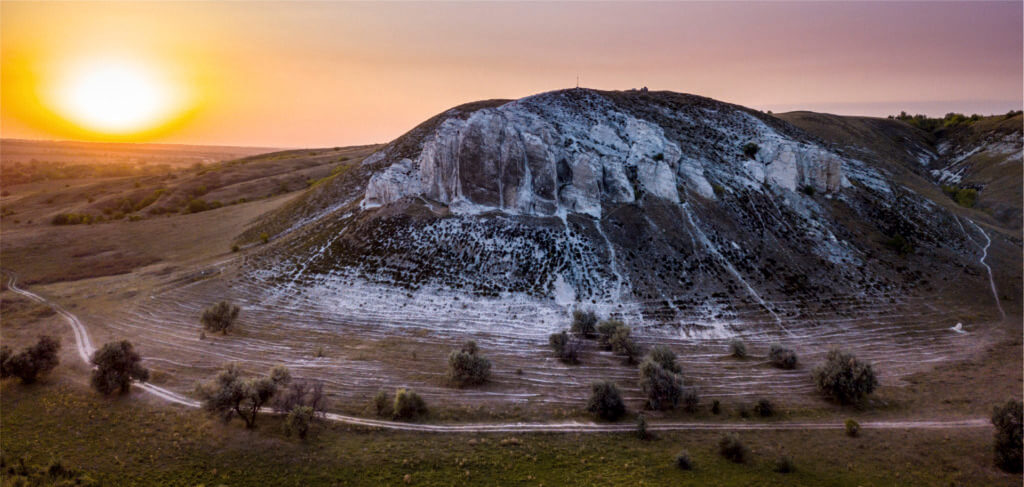
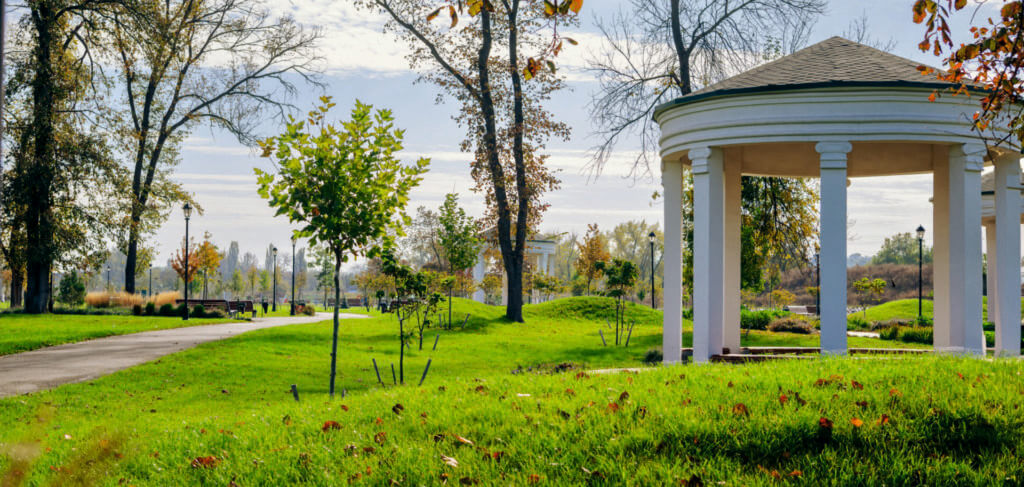
Located on the territory of the Kramatorsk Municipality is the "Kramatorskyi" Regional Landscape Park — one of the youngest parks in the Donetsk region and a finalist of the Ukraine Tourism Awards in the Best Natural Park category. Yuvileinyi Park, Bernatskyi Garden, Family Park, and numerous squares form a comfortable space for recreation in Kramatorsk.
KRAMATORSK AND THE UKRAINIAN TRACE IN WORLD SPACE
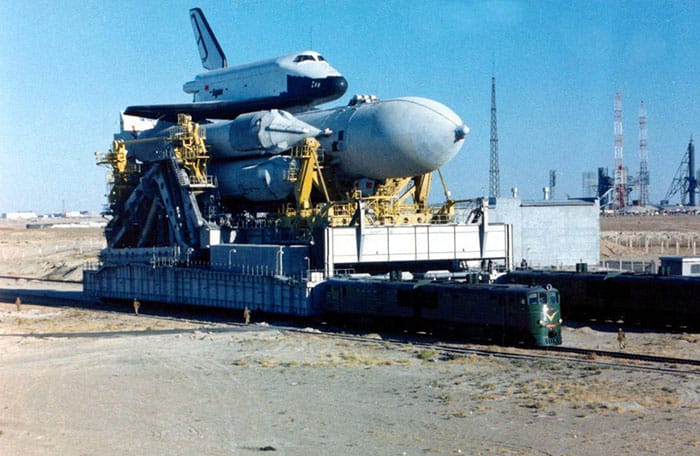
Unique mechanisms for the space industry were created at one of the Kramatorsk enterprises. The first artificial satellites of the Earth were launched into space thanks to equipment created by Kramatorsk residents.
The first lunar rover, units for Yuri Gagarin’s 39 flight, equipment for the first reusable rocket-space complex Energia-Buran, whose flight entered the Guinness World Records, as well as the launches of the N-1 and Proton carrier rockets, which delivered the Salyut and Mir stations into orbit, were realised thanks to Kramatorsk specialists.
Economy and Welfare
Kramatorsk is a powerful industrial centre in the eastern part of Ukraine with an orientation towards mechanical engineering. Priority sectors: mechanical engineering, metallurgy, agriculture, education and science, trade.
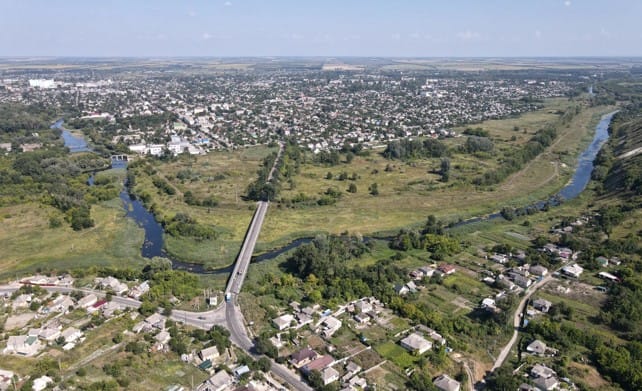
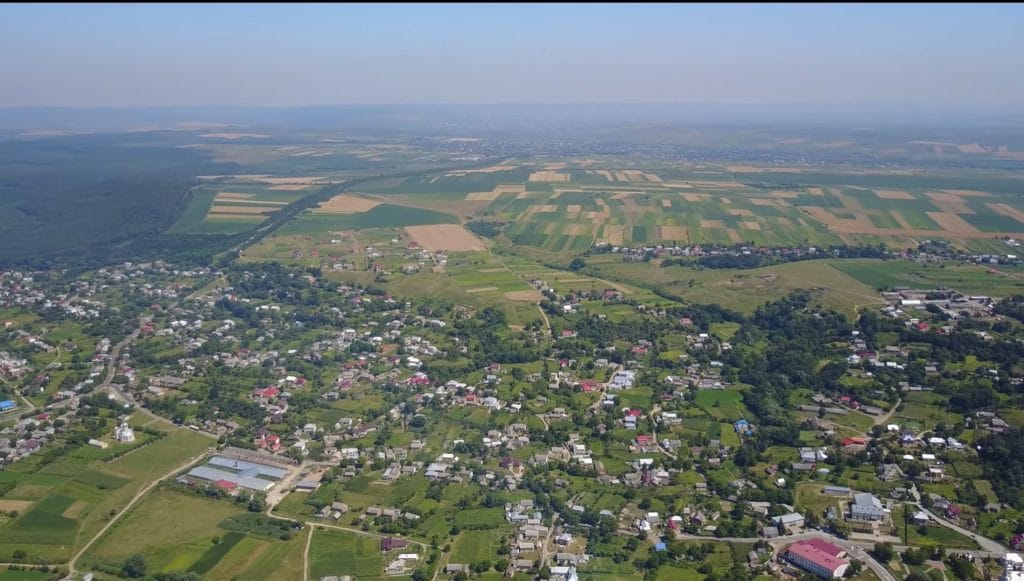
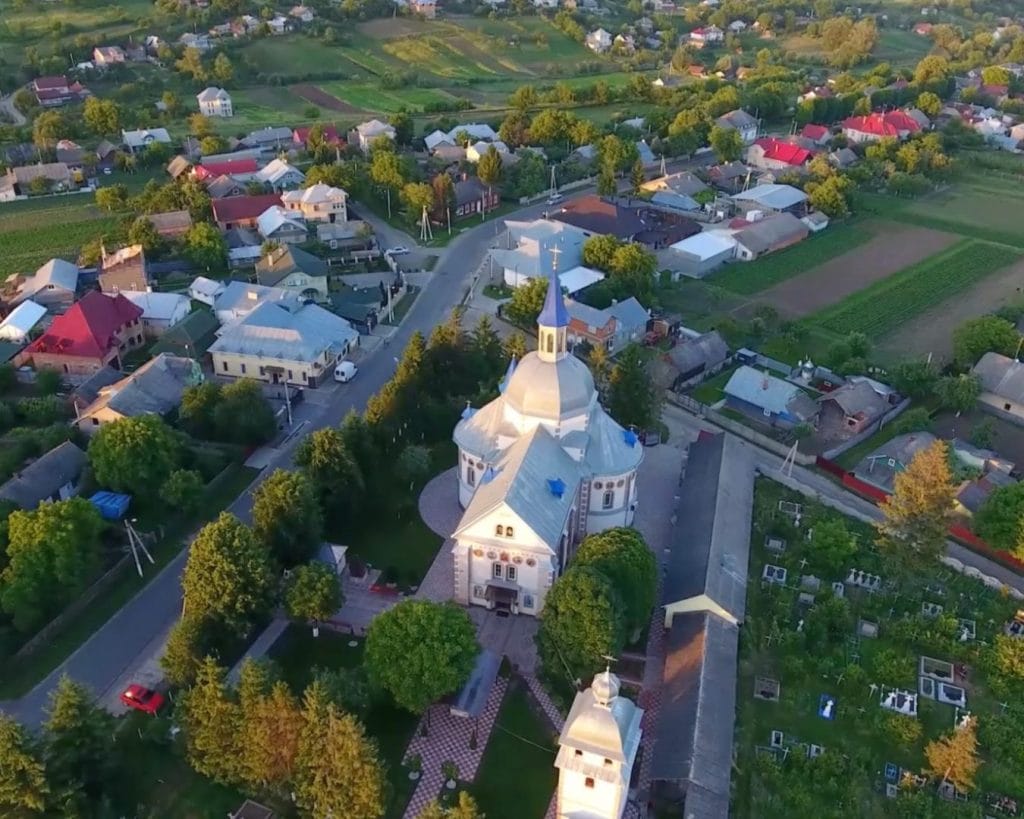
The Kramatorsk City Territorial Municipality is located in Kramatorsk Raion of Donetsk Oblast. The municipality includes fourteen settlements. The administrative centre of the municipality is located in the city of Kramatorsk.
Total area of the territory: 40,497.4 ha.
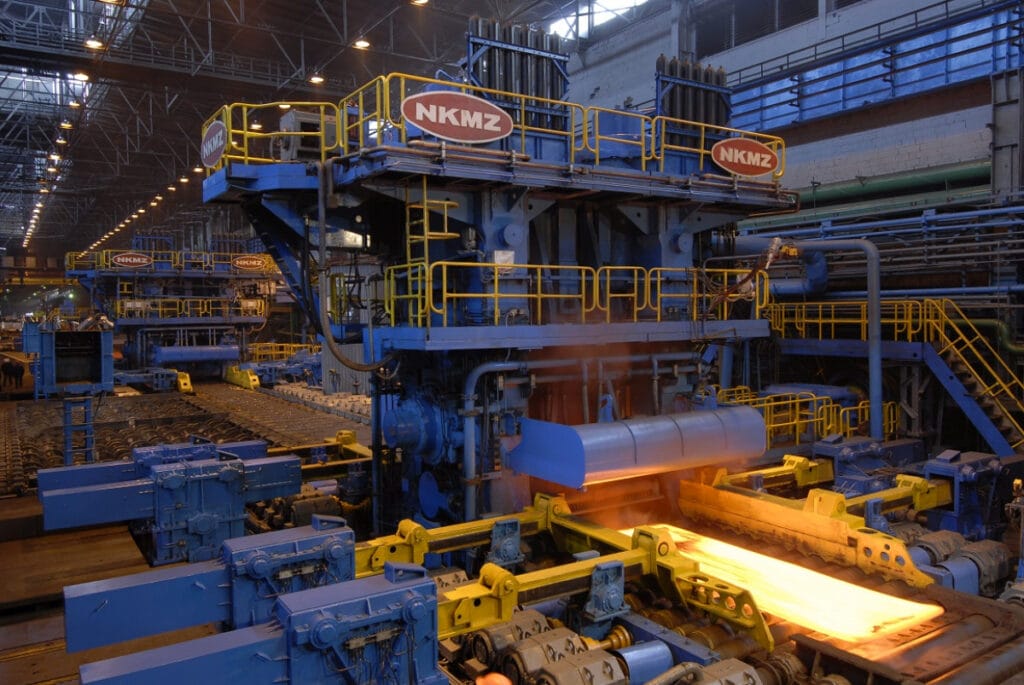
Novokramatorsk Machine-Building Plant (NKMZ) is renowned for the production of unique super-heavy equipment for the metallurgical, mining, energy, and defence industries. Rotary and walking excavators, heading machines, mining equipment, large-scale press units, equipment for icebreakers and special vessels, and high-pressure components for nuclear power plants were created here.
At NKMZ, an engineering vehicle was created which in 1986 was the only one capable of working near the destroyed Chernobyl reactor and clearing passages to it. Products were exported to 79 countries worldwide, including France, Italy, Germany, and Japan.
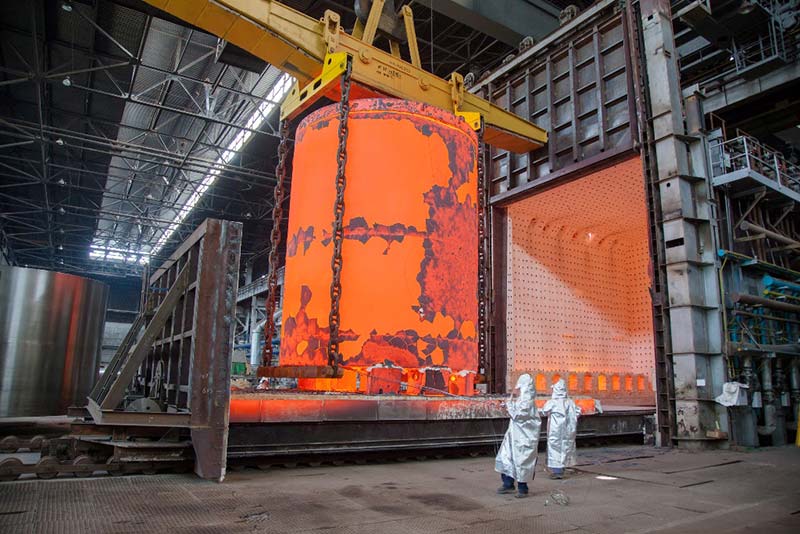
The enterprise Energomashspetstal; cast a metal ingot weighing 415 tonnes for a Turkish nuclear power plant. The Kramatorsk Heavy Machine Tool Plant has manufactured machine tools for Ukraine and more than 50 countries for over 75 years.
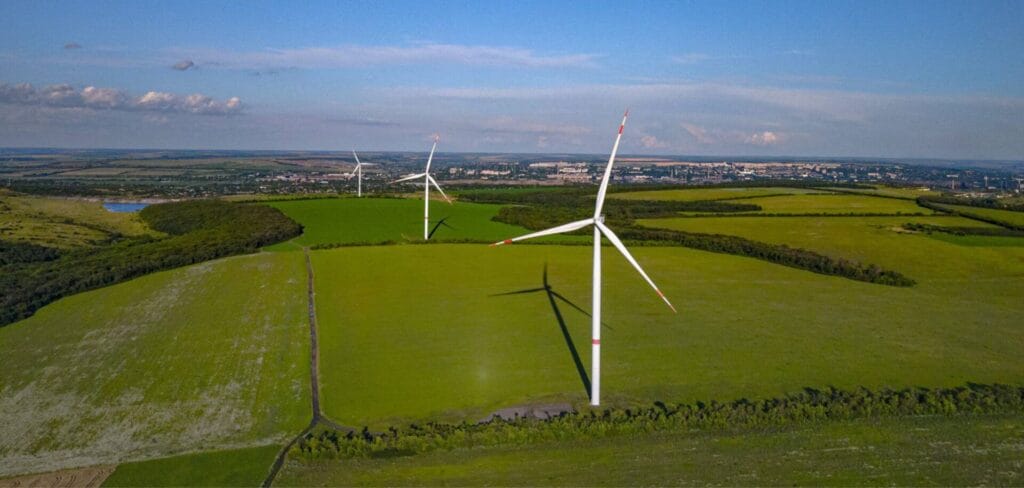
In 2019, the Kramatorsk enterprise "Fuhrländer Windtechnology" — the only manufacturer of megawatt-class wind energy equipment in Ukraine — commissioned a wind power plant with a capacity of 4.5 MW.
In 2024, more than 10,300 business entities operated in the municipality in the fields of trade, processing industry, construction, transport, information and telecommunications, agriculture, and the hospitality industry.
Agricultural land occupies 55% of the municipality's territory. There are 22 agricultural and farming enterprises in operation. Prior to the start of the full-scale war, two enterprises functioned that specialised in dairy production, cattle breeding, and poultry farming.
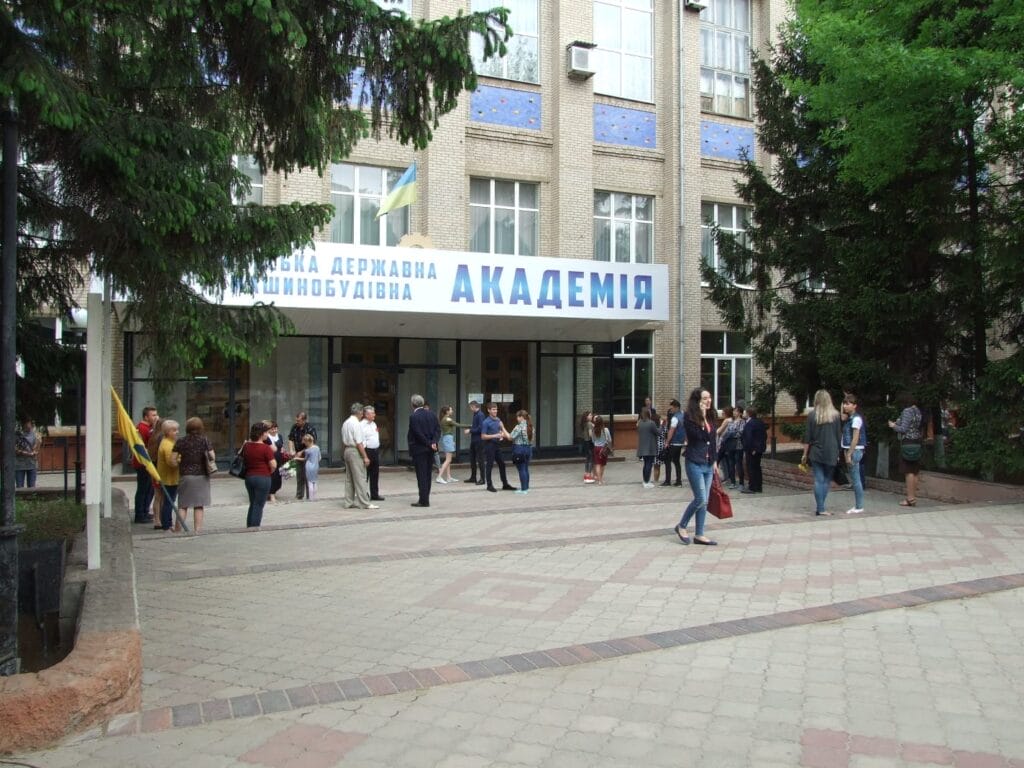
Before the full-scale invasion, the Kramatorsk Territorial Municipality was a powerful educational and scientific centre of the Donetsk region. Three vocational-technical and five higher education institutions of engineering, medical, economic, management, IT, and creative profiles functioned in the municipality, providing training for industry, healthcare, construction, the service sector, and government bodies. The preservation and restoration of this educational potential is strategically important for the post-war development of the municipality.
Sources
https://krm.gov.ua/
https://www.facebook.com/kramatorsk.rada/
https://www.instagram.com/kramatorsk.rada
https://www.youtube.com/user/kramrada
https://t.me/kramatorsk_rada
Similar
Load all