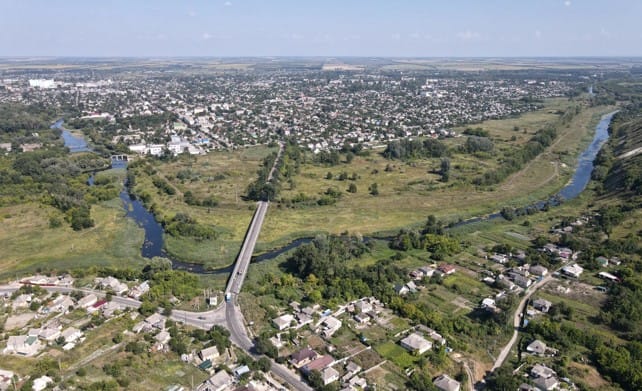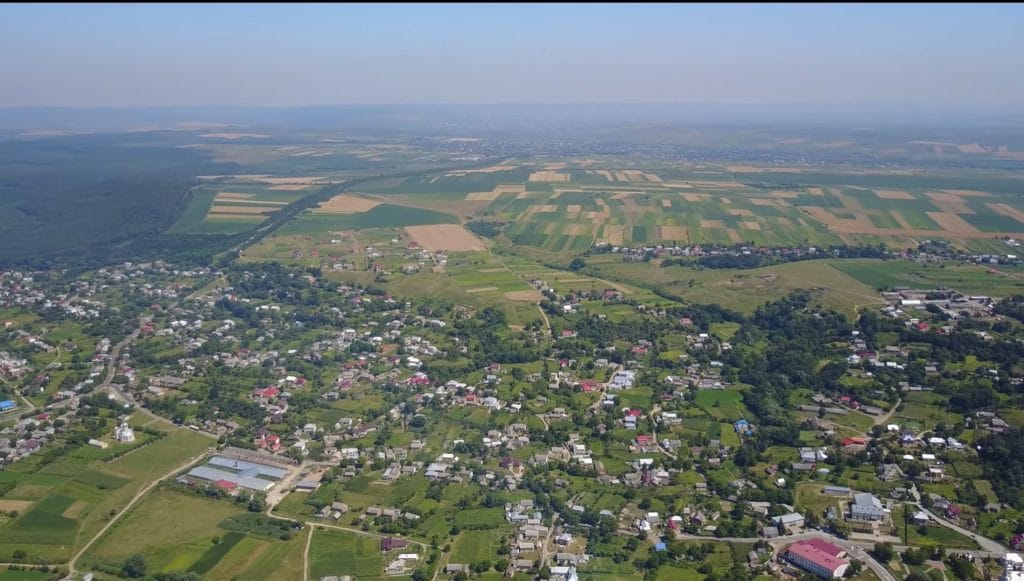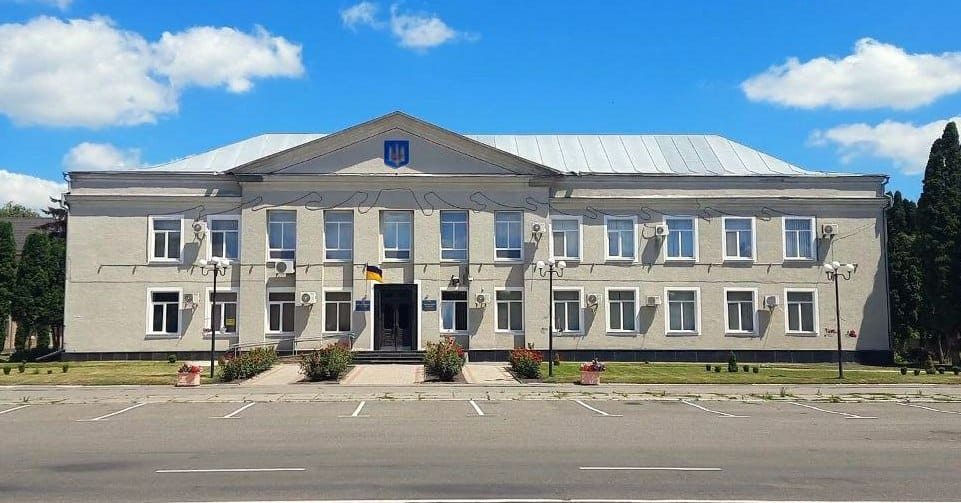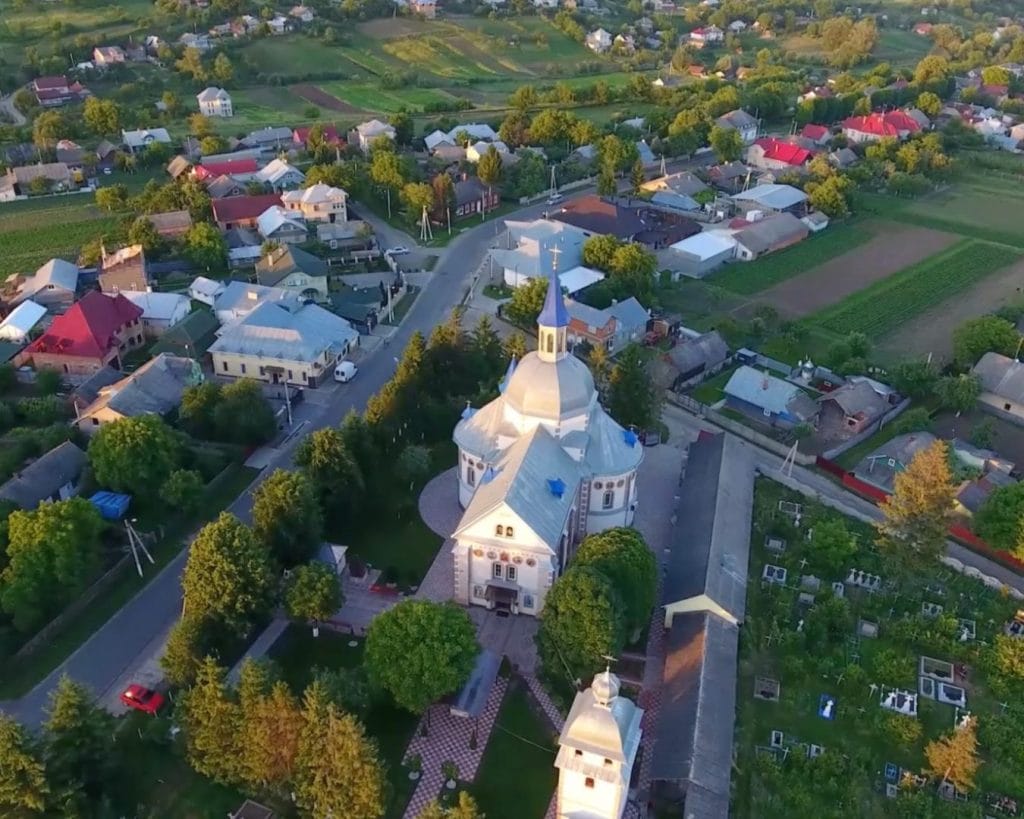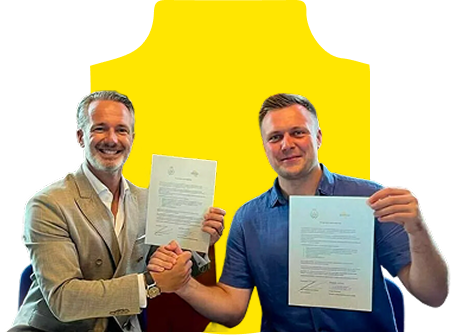
Kopychyntsi municipality
- Increasing competitiveness
- People to people cooperation
- Social housing
- Support to youth
- Water management
- Type: Urban
- Population: 15,000
People of the Community
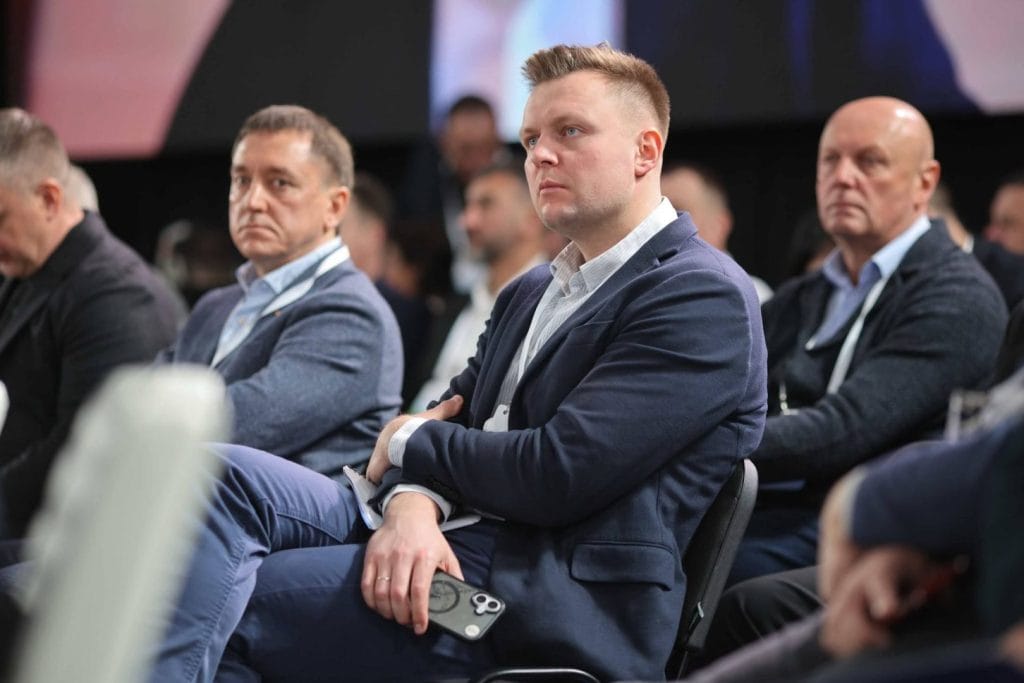
The community is led by Mayor Bogdan Kelichavyi, working alongside a city council whose members bring experience from business, education, healthcare and public service into local decision-making. That civic energy reaches well beyond the town hall: Kopychyntsi and its villages are home to activists, volunteers, cultural organisers and entrepreneurs who run their own projects, bring in funding and humanitarian aid, and take responsibility for local change. The NAVKOLO and Posmishka UA charitable foundations are both active here, supporting residents, internally displaced people and vulnerable groups through housing, education and social programmes, often in partnership with international donors.
Kopychyntsi is also known for the people it has sent into the wider world. Chess grandmaster Vasyl Ivanchuk was born here, as was poet and publisher Mariana Savka, opera singer Klym Chichka-Andriienko — after whom the local school of arts is named — Pinhas Lavon, who served as Israel’s minister of agriculture and later minister of defence, Metropolitan Mefodiy, primate of the Ukrainian Autocephalous Orthodox Church, and Adam Obrubański, the first Polish referee to take charge of an international football match. Their reach reflects the Ukrainian, Polish and Jewish traditions that have shaped the town over centuries.
Community and War
Kopychyntsi lies outside the areas of active fighting, but it has felt the consequences of the full-scale invasion since its first days. The community took in people evacuated from more dangerous regions, arranging housing, food and support to help them settle in, and many of those families have stayed; the municipal budget forecast approved in August 2026 recorded 479 internally displaced people living locally.
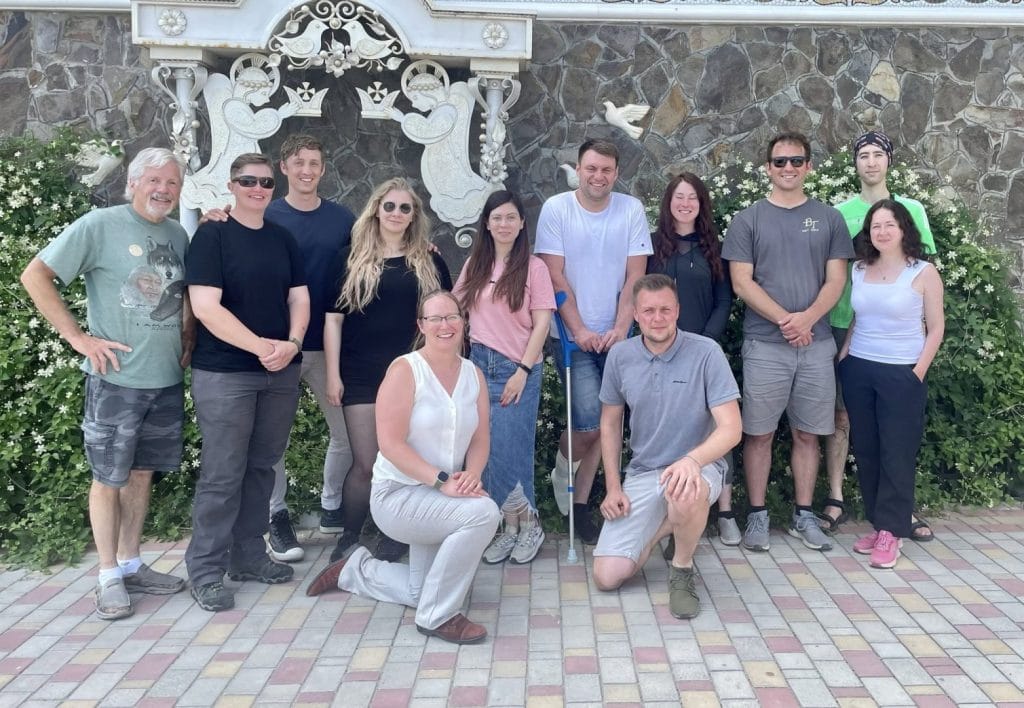
The most visible response has been the renovation of housing for displaced families: with support from the American organisation CORE Response, two dozen private houses were rebuilt and equipped, and a team from Bozeman, Montana — Ukraine Relief Effort — restored five more and backed other assistance projects in Kopychyntsi. The approach combined outside funding, the local NAVKOLO foundation’s work, and homeowners willing to open their houses to displaced families.
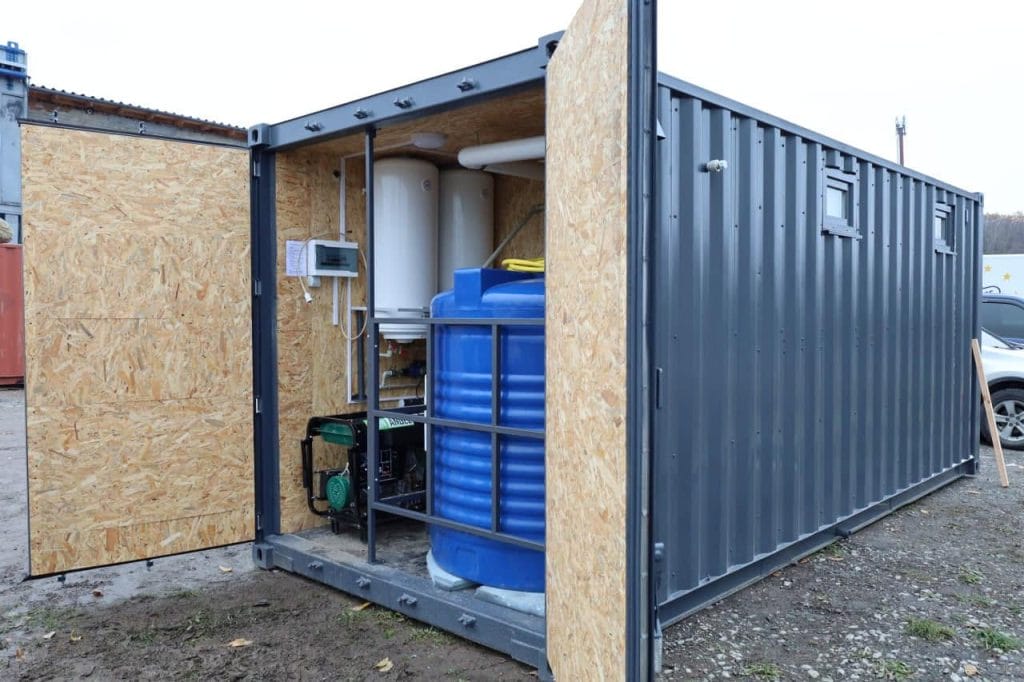
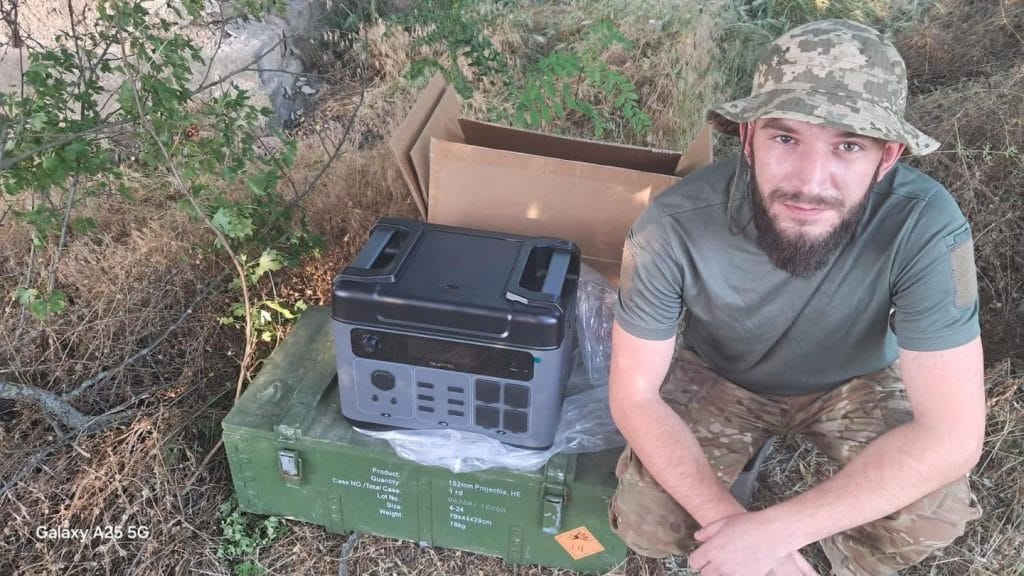
A humanitarian hub in the town now receives and distributes aid, coordinates volunteers, and doubles as a coworking space and community laundry. Residents, businesses and the city council continue to support Ukraine’s defenders directly — raising funds, supplying equipment, and funding programmes for the security and defence forces each year. A military unit is based in Kopychyntsi.
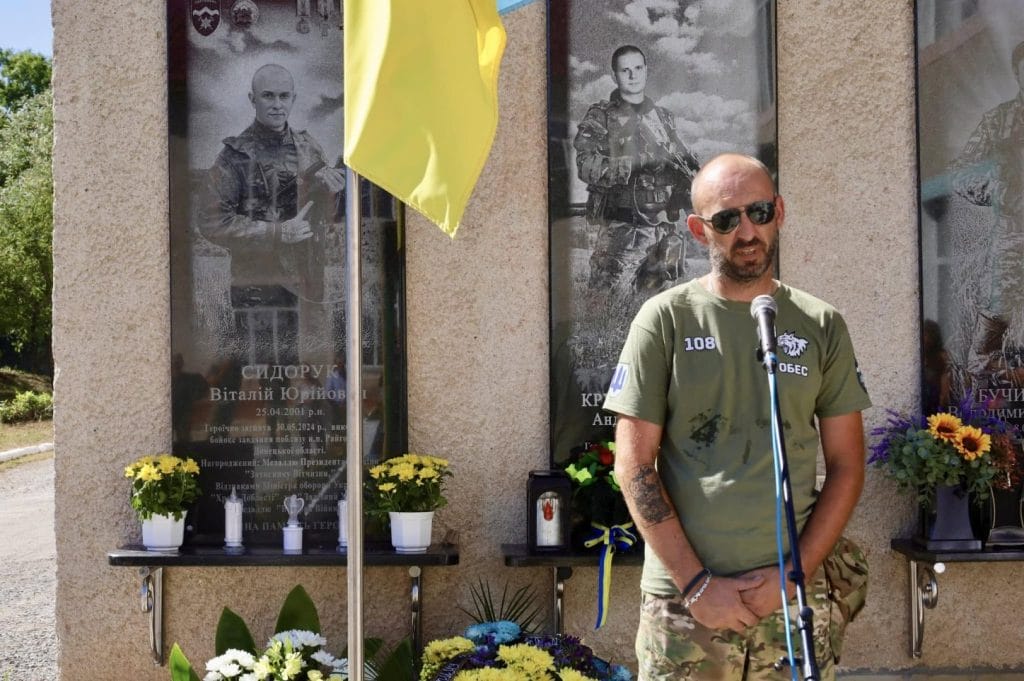
Veterans and military families get dedicated attention: support specialists and a veterans’ space offer advice, rehabilitation and peer support. As of September 2026, the community’s records list 51 fallen and deceased defenders, and it continues to support the families of those still missing or held prisoner.
Priorities
Increasing competitiveness
The community works continually to make Kopychyntsi easier to invest in, visit and do business in. When companies relocate here, local government helps them find land and premises, navigate paperwork, and connect with local institutions. Mebli-Tekhnosyl, which moved production here from Kharkiv Oblast, is one example: the community helped it get started and secure grant funding for equipment, and now regularly commissions its furniture for local schools and kindergartens — steady orders for the company, and jobs, tax revenue and locally made goods for the community. Competitiveness also depends on how the town presents itself: developing its heritage, cultural offer, local brands and visitor routes builds trust with partners and gives residents more reason to stay.
People to people cooperation
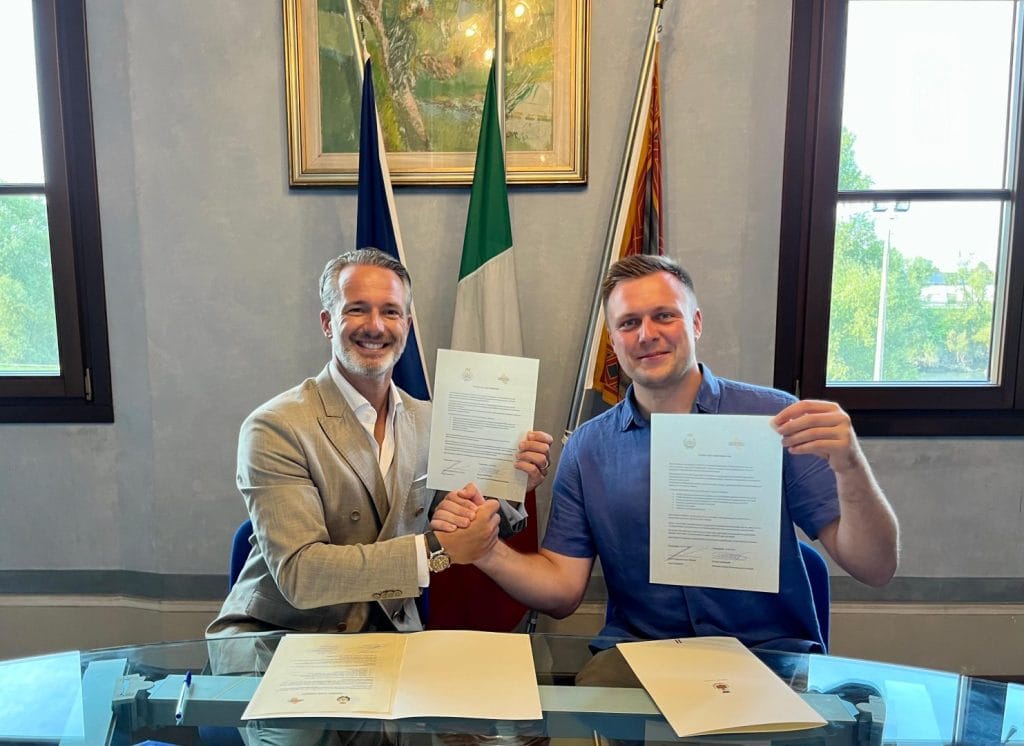
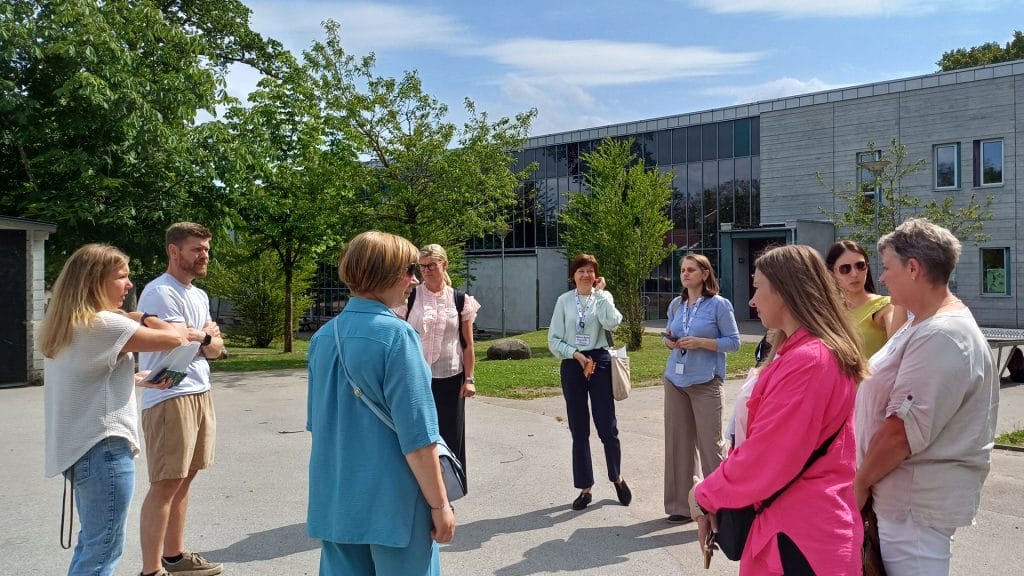
Kopychyntsi’s international partnerships are built on direct relationships between people, not just institutions — local officials, teachers, healthcare workers, young people, artists, volunteers and entrepreneurs are all part of them. The community maintains active partnerships and contacts with towns in Sweden, Norway, Germany, Belgium, Italy, Turkiye, Poland, the United Kingdom and the United States, and those ties have already produced youth exchanges, humanitarian support for the hospital and municipal services, housing projects for displaced families, cultural exchange, and support for the local economy. In 2025, Kopychyntsi hosted Ukraine’s first interregional forum on international municipal cooperation, bringing communities together to share how they turn one-off contacts into lasting projects. The next step is deepening those relationships further — through joint school and arts projects, professional placements, volunteer visits and business connections — building the kind of trust that keeps partnerships going beyond any single grant.
Social housing
deciding factor in whether people move to Kopychyntsi to work in its institutions and businesses, which makes it a real constraint on both hiring and retaining young professionals. The renovation of private houses for displaced families showed that a partnership model can work here; the next step is a lasting stock of municipal social and affordable rental housing for vulnerable residents, displaced people and workers the community needs. A project to convert a dormitory into social housing for around 150 people is already registered in DREAM, and the community is actively seeking funding and partners to build it.
Support to youth
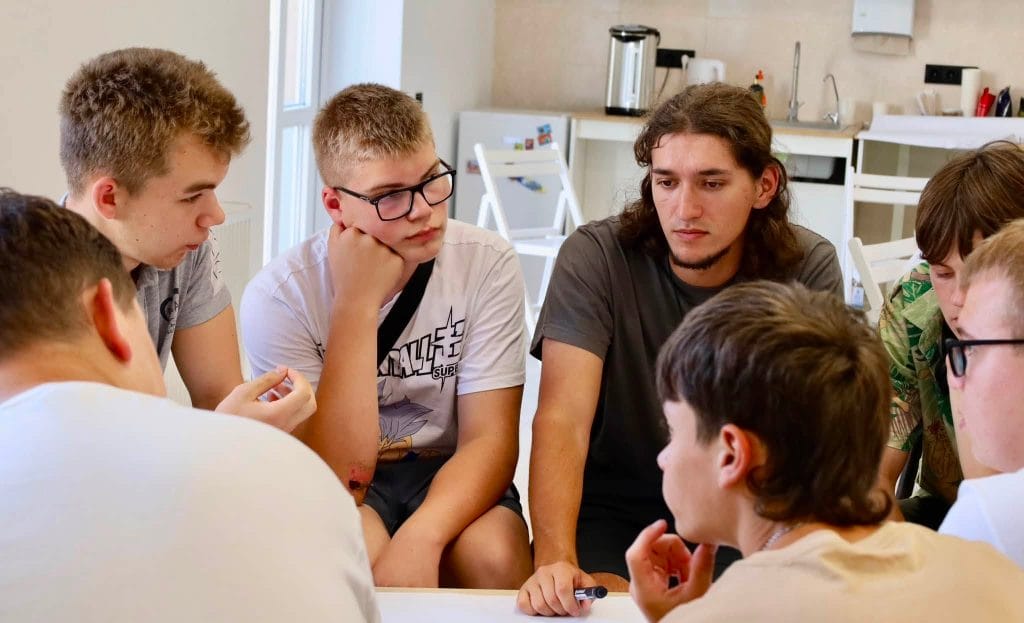
Kopychyntsi wants its young people helping shape decisions locally, not just attending events organised for them. A youth council is active and growing with partner support, including a joint project with the Swedish municipality of Höör running through 2025 and 2026 to build youth participation and leadership. Local scouts are also active, with one scout representing Kopychyntsi’s young people nationally. International exchanges add to this: in autumn 2024 more than twenty young people travelled to Yezdal, Norway through Erasmus+, and in 2026 students from the Kopychyntsi School of Arts performed in Germany and Belgium, introducing Ukrainian culture abroad while raising funds for their school’s restoration. Spaces like the NAVKOLO community centre give young residents somewhere to meet, volunteer and build projects of their own — and a reason to see a future for themselves here.
Water management
Kopychyntsi still lacks a full centralised water supply and sewerage system, which creates environmental risks and makes it harder for new businesses and housing projects to get off the ground, since each has to solve its own water and wastewater needs. A wastewater treatment plant is the immediate priority and is already registered for support through Ukraine’s DREAM system; the Posmishka UA foundation has previously run a tender for the equipment and works involved, with support from OCHA. From there, the next step is connecting treatment capacity to wider network development and safe, efficient water use — an ambitious goal for a small community that will depend on outside financing and long-term partners.
History
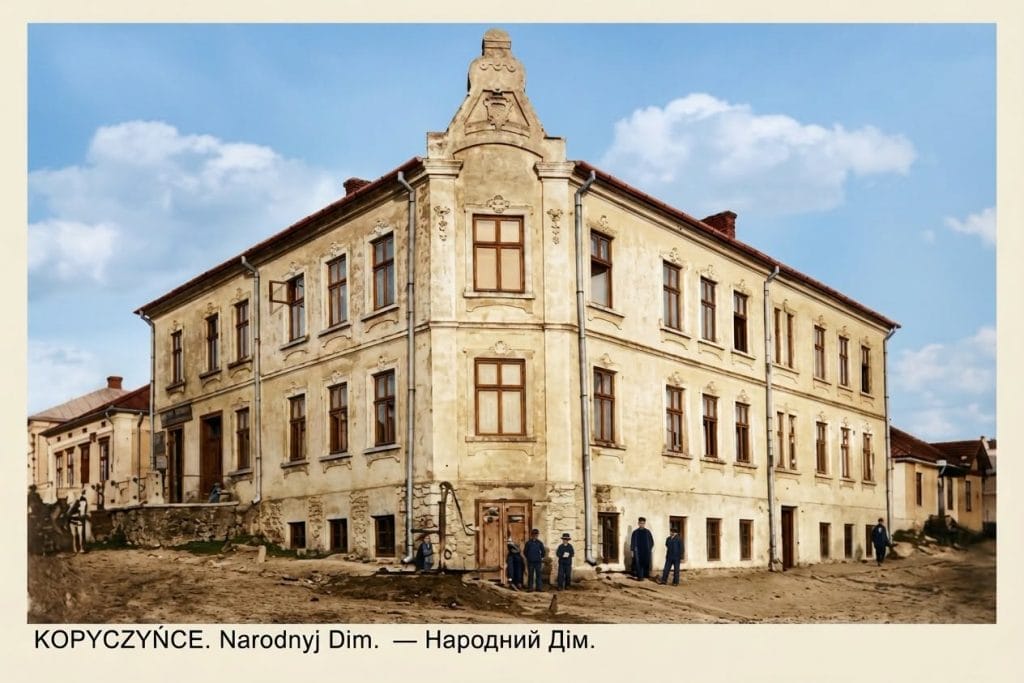
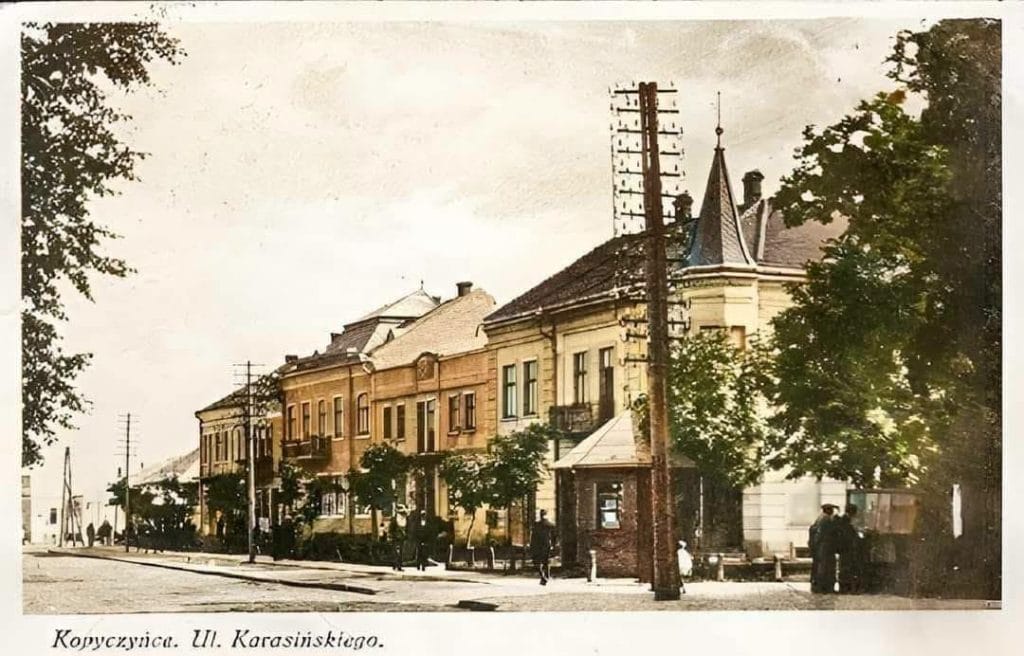
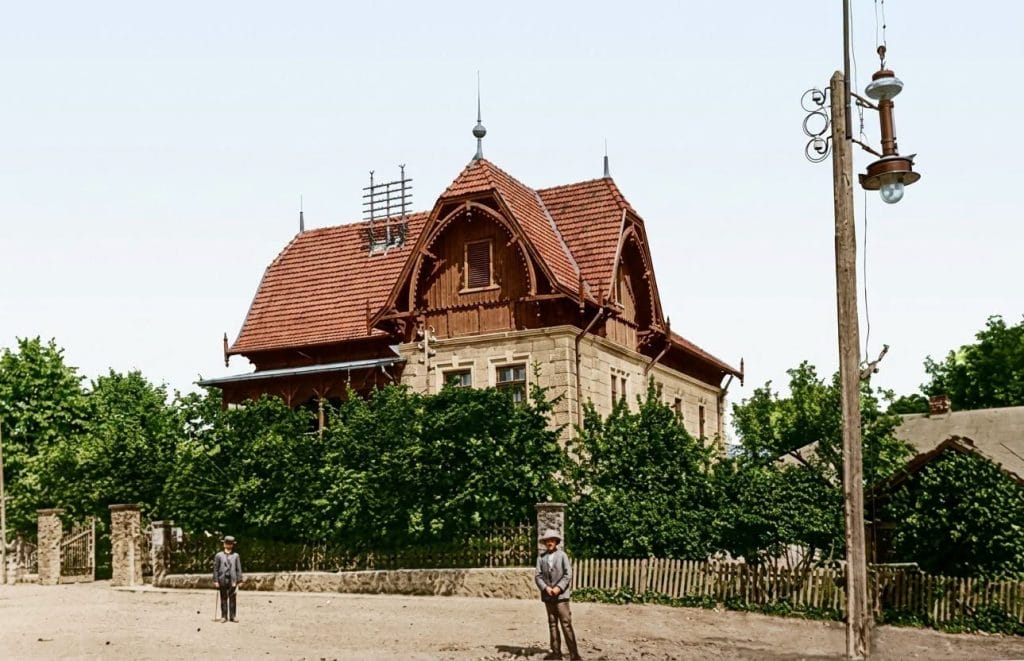
The area’s human history reaches back long before Kopychyntsi appears by name. Trypillian, Roman-era and early Slavic material has been found in and around the town, pointing to repeated settlement over thousands of years, though these finds don’t describe one continuous community. Kopychyntsi itself is documented from the first half of the fourteenth century, and in 1379 a man named after the settlement appears as a witness in the founding charter of neighbouring Buchach. A castle and church went up in 1443, and the town grew as a trading centre on the hills above the Nichlava. In 1564 it received Magdeburg rights, giving it formal self-government.
The following centuries brought both growth and repeated conflict. Cossack forces fought near the town during the uprisings of the 1590s and 1640s–1650s, including the Battle of Kopychyntsi in 1651, and Ottoman-Tatar raids later caused further damage. Under Habsburg rule after 1772, the town developed as an administrative and trading centre, gaining a paved road in 1850 and a rail connection later that century — while Ukrainians, Poles and Jews all shaped its economy and civic life, building churches, a synagogue and community institutions that still stand today.
Kopychyntsi took an active part in Ukraine’s struggle for statehood after the First World War: young men from the town joined the Legion of Ukrainian Sich Riflemen, and in November 1918 a Ukrainian military committee took control of the town in the name of the West Ukrainian People’s Republic. Ukrainian cultural and cooperative organisations remained active through the interwar years under Polish administration.
Nazi Germany occupied the town from 1941 to 1944. Its centuries-old Jewish community was destroyed during the occupation — residents were confined to a ghetto, killed in mass shootings, or deported to the Belzec extermination camp, including roughly a thousand people in a single action in September 1942. The former synagogue, the Jewish cemetery and a memorial at the killing site remain places of remembrance today.
Ukrainian resistance continued in the area into the early 1950s, and Soviet authorities suppressed it along with open discussion of the town’s wartime history for decades afterward. That changed with the civic revival of the late 1980s: a Ukrainian Language Society formed at a local school in 1988, historical monuments and street names were restored, and Kopychyntsi marked Ukraine’s independence in 1991. Today the community treats this layered history — Ukrainian, Polish and Jewish, including its periods of war and repression — as something to preserve and present honestly, through restored monuments, museums and heritage routes.
Development Strategy
The Kopychyntsi community continues to develop effectively in many areas and currently has a planned strategy until 2027.
In accordance with the strategy adopted in 2020, the following strategic goals have been defined:
– economic development of the community;
– creation of attractive conditions for life, business and recreation.
In particular, these two areas include: developing the infrastructure, increasing public activity, implementing high standards in the field of education, creating opportunities for promoting an active lifestyle.
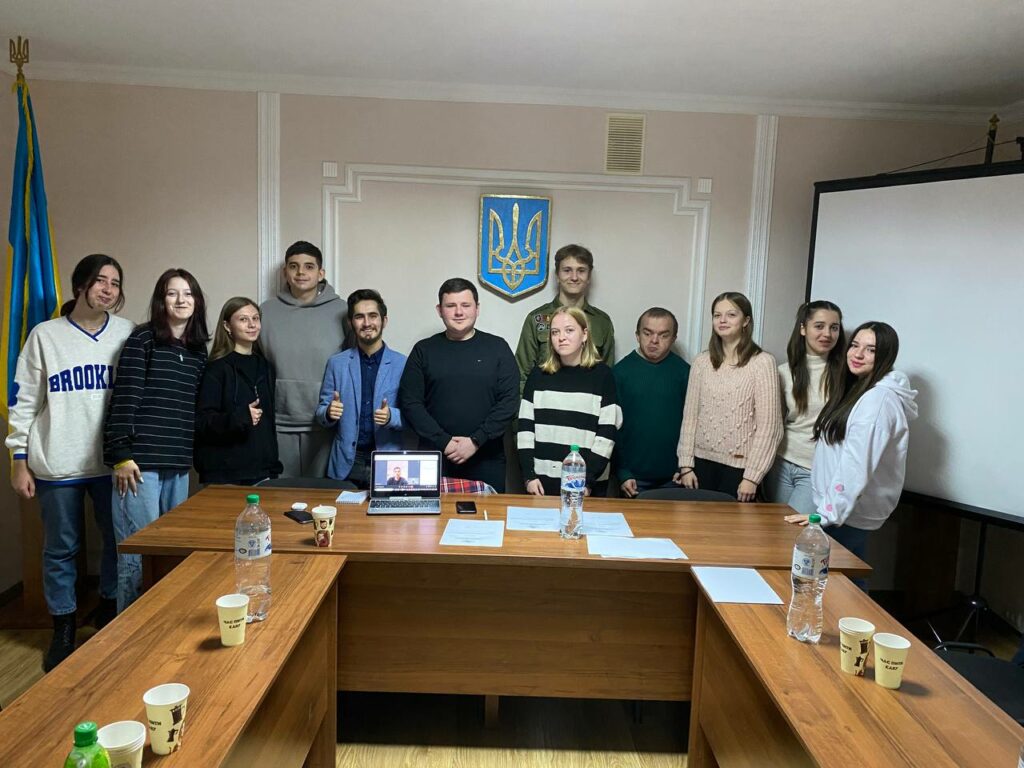
The community is trying to increase the level of tourism development, attract businesses to the community. Currently, the community is strongly focused on volunteering. The community has a volunteer headquarters that supports the Armed Forces of Ukraine on a daily basis.As part of many activities for young people, funds have been raised and good conditions have been created for holding meetings and other events. The Kopychyntsi community has a youth council that actively holds sessions and discusses youth policy issues.
Economy and Welfare
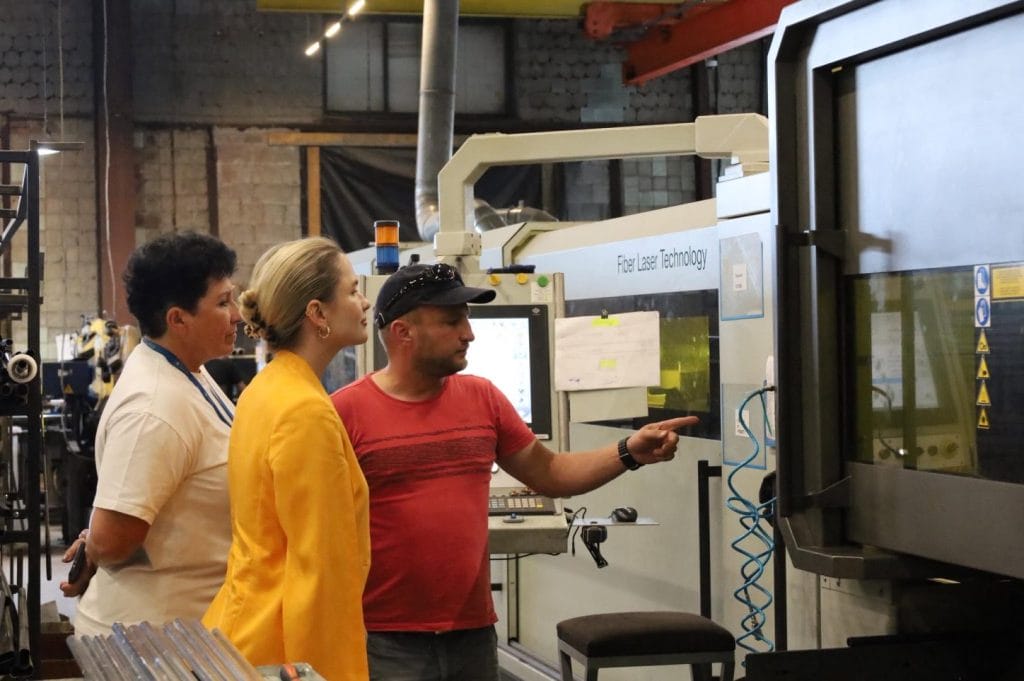
Agriculture has always been at the heart of Kopychyntsi’s economy, and meat production in particular has made the town’s name well beyond the region — from established producers to small workshops built on family recipes. That base is broadening: relocated manufacturers now produce furniture and plastics locally, bringing jobs and tax revenue, and the community is actively courting more higher-value manufacturing and technology-oriented businesses. Small businesses — shops, trades and household services — remain a vital part of the local economy and a major source of the community’s own revenue, so their resilience matters directly to local welfare.
Local craft and design offer another path forward: workshops such as Zriz ta Hilka, which makes handcrafted furniture and decor from natural wood, show how small, distinctly local businesses can create jobs, draw visitors and put Kopychyntsi-made products in front of wider markets.
Welfare, in the community’s own terms, means more than income: the local budget funds education, healthcare, social protection, culture, housing and municipal services, alongside dedicated support for veterans, the families of the fallen, missing and captured, and internally displaced people.
Sources
Kopychyntsi and Suburbs media resource
Town Council social media pages
Wikipedia
Kopychyntsi community website
Youth Council social media pages
Suspilne media
Town mayor social media pages
Similar
Load all