Starobilsk Urban Territorial Community
- Education
- Gender equality
- Healthcare services
- People to people cooperation
- Resilient governance
- Type: Urban
- Population: 30384
- IDP: 15000
The Starobilsk urban territorial community is actively building long-term international relations with municipalities, educational, medical, public, and expert institutions. The community is open to sharing its own experience regarding effective management under conditions of relocation. Starobilsk is ready to share its achievements in the sphere of supporting internally displaced persons, organising remote services, and maintaining the institutional capacity of local self-government bodies during the war.
People of the community
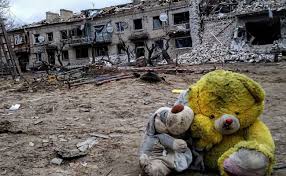
Since 2022, the territory of the community has been under temporary occupation as a result of the full-scale invasion by the Russian Federation. Despite this, local self-government bodies were relocated to the city of Lviv and continue to provide support to the community’s residents and the provision of administrative, educational, medical, social, and cultural services.
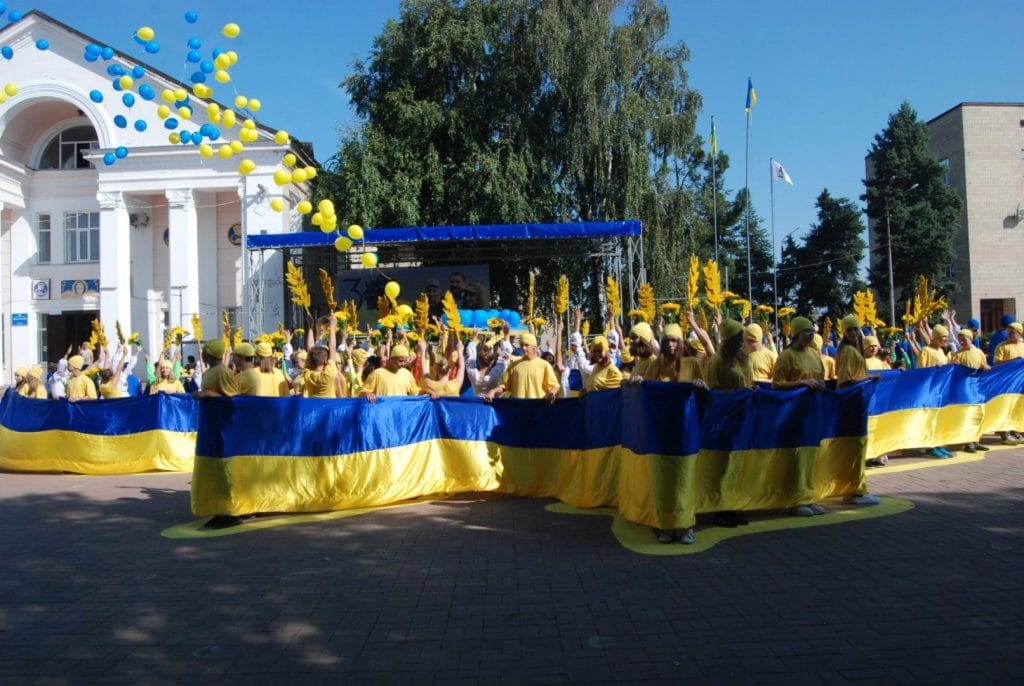
The Starobilsk urban territorial community is made up of people who, even in conditions of war and forced displacement, continue to support their community, preserve its identity, and work for its future recovery. These are thousands of residents who were forced to leave the temporarily occupied territory for other regions of Ukraine and abroad. These are teachers who continue to educate children while relocated, doctors who provide help to people, veterans who are defending Ukraine, as well as displaced persons who create new initiatives and support one another.
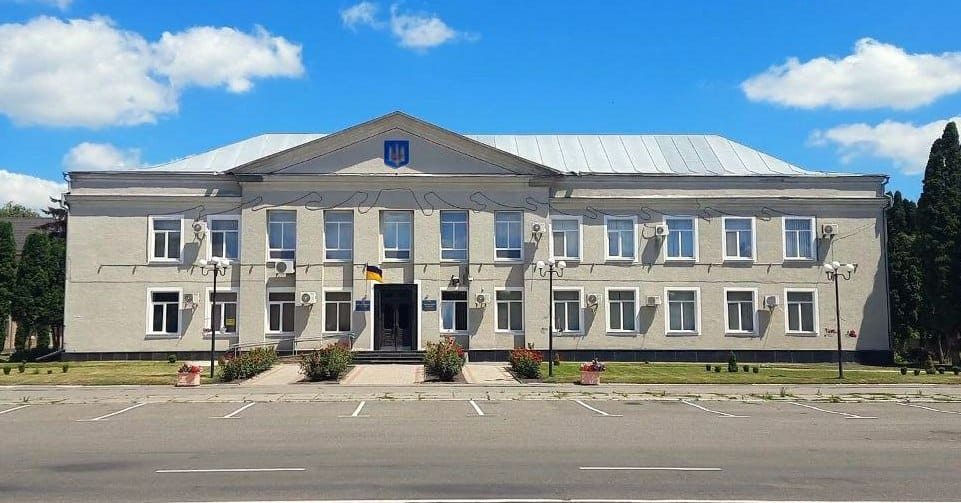
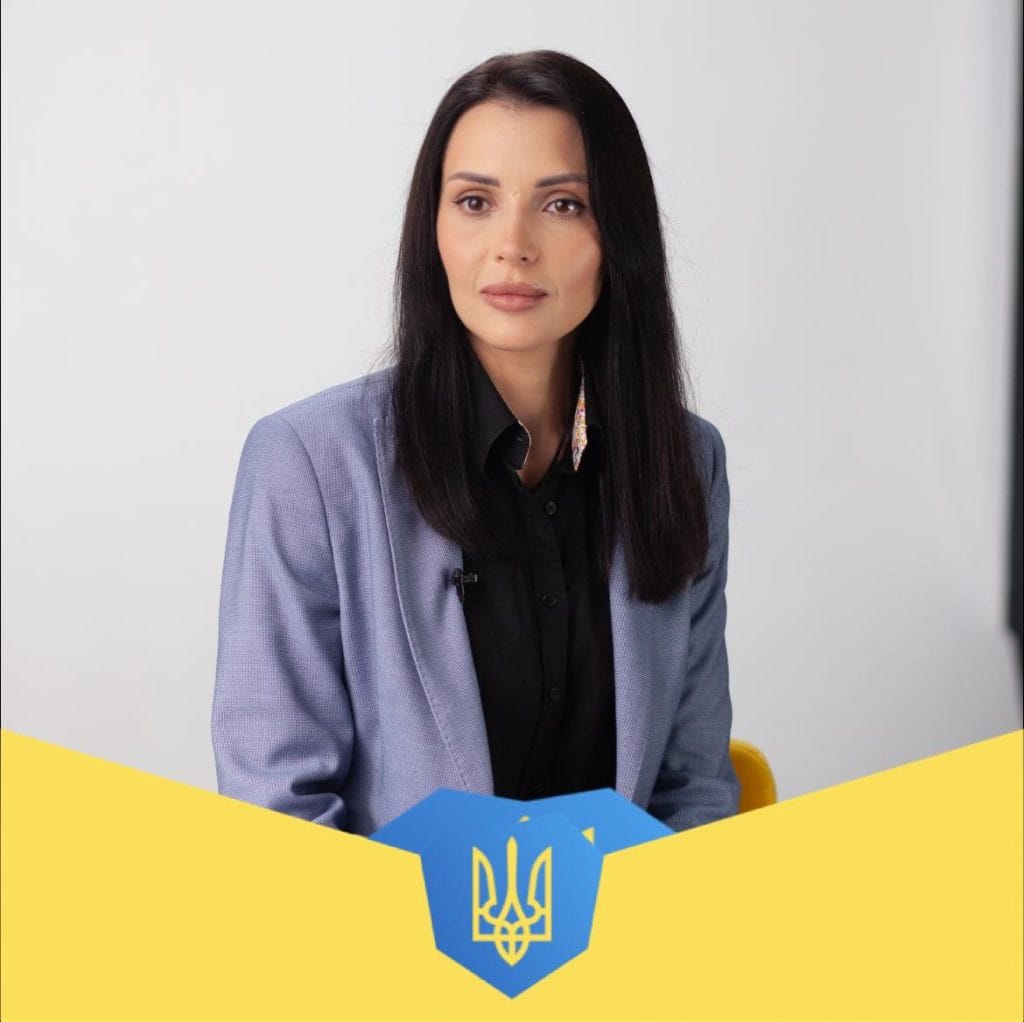
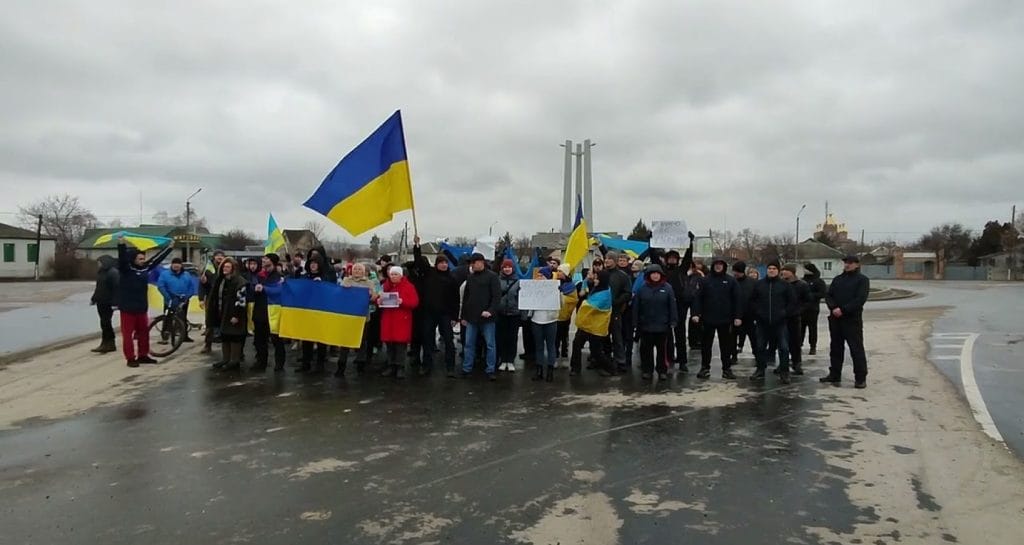
The community is headed by Yana Litvinova. She has held leadership positions in the community since 2017, and in 2023 she was appointed Head of the Starobilsk City Military Administration. One of the main principles of her work is the transparency and openness of the authorities. After the occupation of Starobilsk in 2022, Yana Litvinova remained in the city and continued to ensure the vital functions of the community, openly refusing to cooperate with the occupation authorities. Today, the community continues to operate in relocation and is preparing for future recovery.
The Starobilsk urban territorial community has significant potential for the development of cultural tourism, the preservation of historical heritage, creative industries, and intercultural cooperation. Despite the temporary occupation, the community continues to work on developing international relations and implementing partnership initiatives.
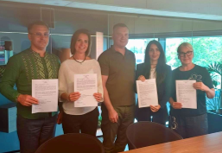
Cooperation has been established with the municipalities of Lublin (Poland), Hasselt (Belgium), Saint-Étienne (France).
The community is open to new international partnerships and joint projects with municipalities, educational and medical institutions, non-governmental organisations, and expert networks. One of the key areas of cooperation is strengthening the community’s institutional capacity, developing European integration, and participating in international programmes and grant initiatives
The community and the war
The Starobilsk community has been under temporary occupation since 28 February 2022.
Despite this, the community continues to operate and provide essential services to residents who have moved to other regions of Ukraine. The Administrative Service Centre (ASC), education and social protection departments, and the children’s affairs service are all operational. Schools are teaching children remotely, and relocated medical facilities have resumed operations in territory controlled by Ukraine.
One of the important areas remains the support of internally displaced persons and maintaining constant contact with the community’s residents. People are kept informed about social assistance, services, and support opportunities.
A co-working centre for displaced persons, “Luhanshchyna Moia” (My Luhansk Region), is operating in Lviv. It has become a place of support, communication, and assistance for residents of the Luhansk region.
Despite the challenges of war, the community continues to support its residents, develop international cooperation, and prepare for future recovery and de-occupation.
Priorities
Education
High quality and inclusive education is linked to the need to support relocated educational institutions, ensure children and young people have access to safe and high-quality learning, develop international educational exchanges, and create new opportunities for youth affected by the war and forced displacement.
Gender equality
Gender equality is an important component of the community’s development and involves ensuring equal opportunities for women and men in accessing services, participating in decision-making, public life, and the community’s recovery processes.
Healthcare services
Healthcare services is a pressing issue due to the relocation of medical facilities and the need to restore access to medical services, psychological support, and rehabilitation for the population, veterans, internally displaced persons, and other vulnerable categories of the population
People to people cooperation
People to people cooperation reflects the community’s aspiration to develop international partnerships, cultural and youth exchanges, cooperation between communities, and the involvement of residents in joint initiatives. For the Starobilsk community, international cooperation is an important tool for support, development, and future recovery.
Resilient governance
Building resilient governance is one of the key priorities for the community, as local self-government bodies have been relocated and continue to operate remotely under conditions of temporary occupation. Strengthening institutional capacity, ensuring continuity of governance, developing international cooperation, and preparing for the future de-occupation and recovery of the territory remain important for the community.
History
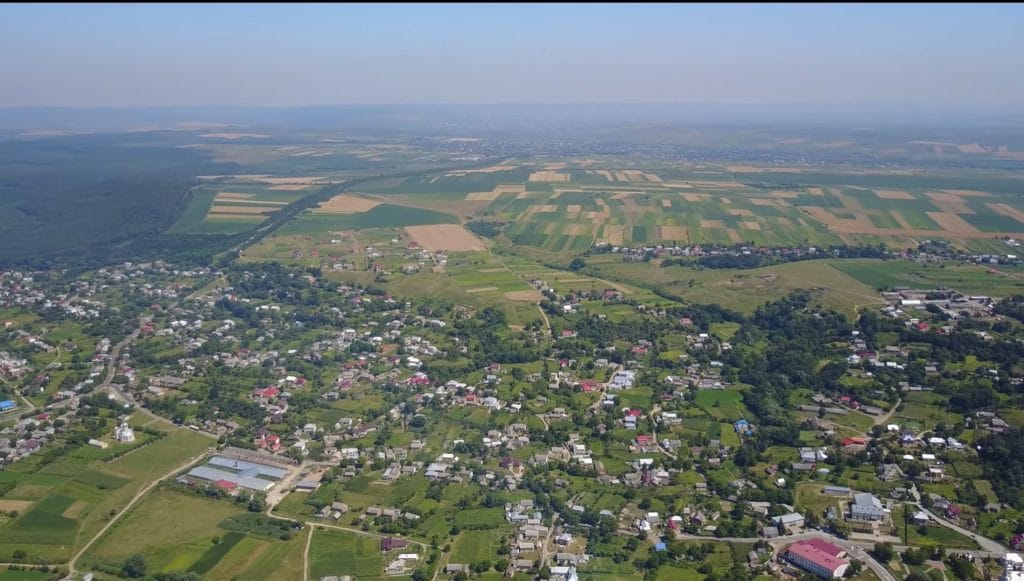
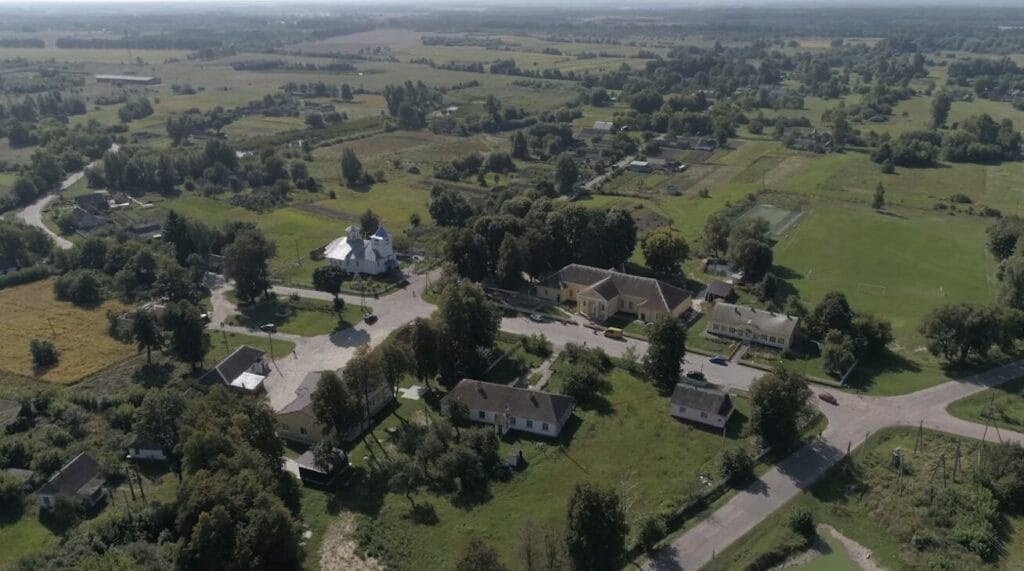
The city of Starobilsk is one of the oldest cities in Slobidska Ukraine, founded at the end of the 16th century. It has a rich historical and cultural heritage and still retains the architectural features of an old merchant market town to this day. Starobilsk is included in the List of Historical Populated Places of Ukraine, and the community itself is often called an “open-air museum.”
The Starobilsk community is the birthplace of many prominent figures of Ukrainian culture and public life. It was here that Ivan Svitlychnyi was born – a Ukrainian literary critic, poet, translator, and one of the leaders of the Sixtiers movement. The community is also closely associated with Serhii Zhadan, one of the most famous contemporary Ukrainian writers, poets, musicians, and volunteers, for whom Starobilsk served as the prototype for many works and the filming location for the movie “Wild Field.”
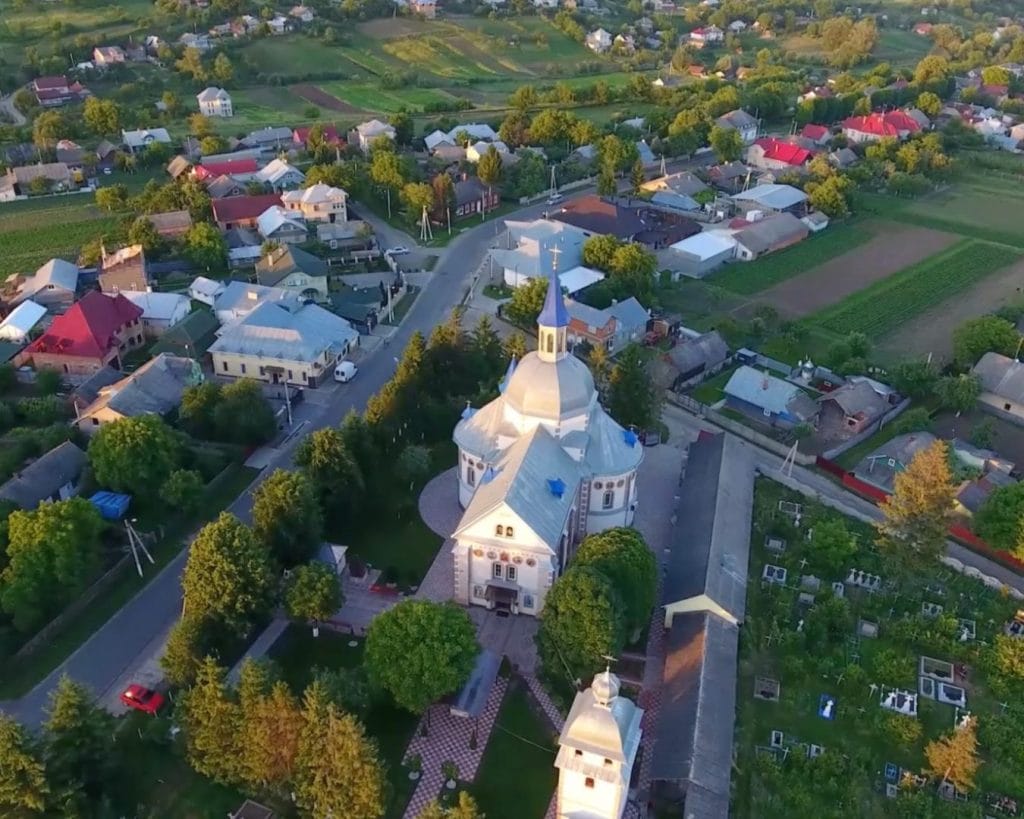
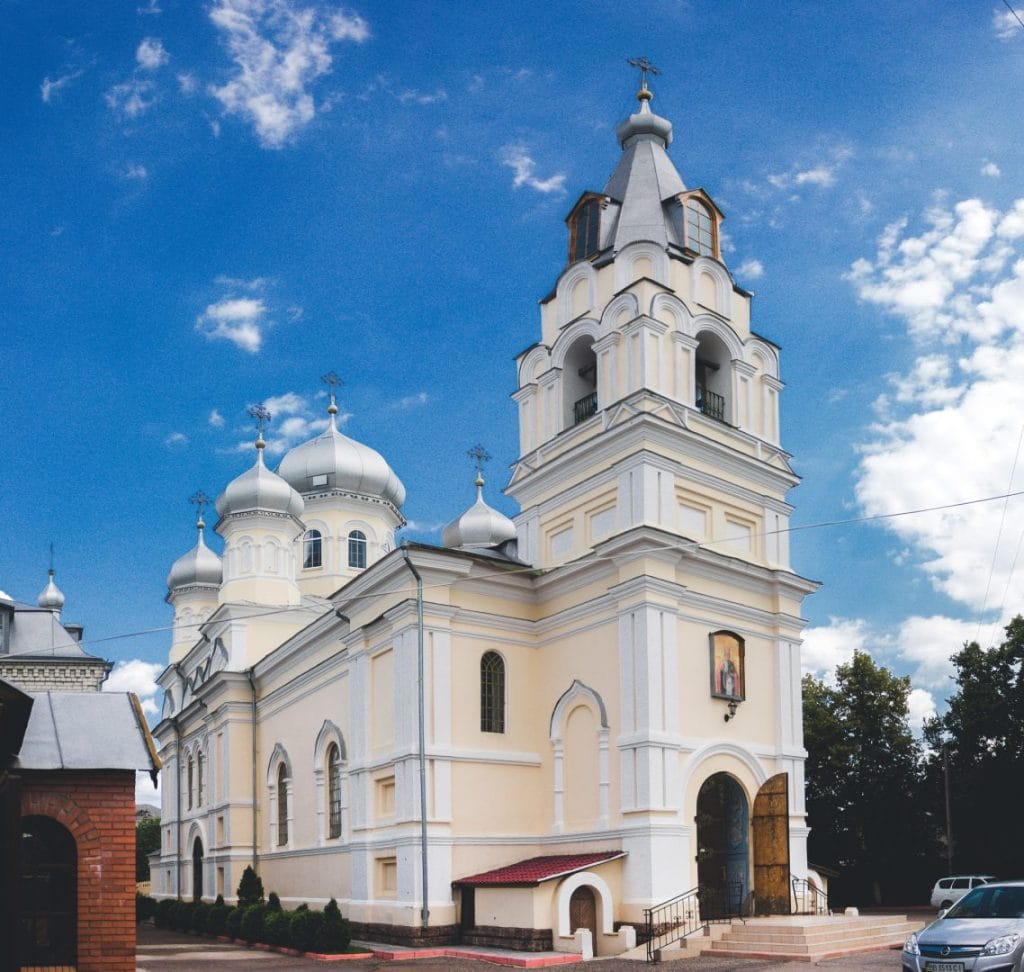
The community has unique historical and tourist sites, including the St. Nicholas Cathedral, the St. Sorrowful Convent, the buildings of the Alexander and Catherine gymnasiums, the Luhansk Regional Museum of Local History, historical merchant houses, and ancient underground passages associated with legends about Nestor Makhno.
Economy and Welfare
Before the start of the full-scale invasion, the economy of the Starobilsk urban territorial community was based primarily on agriculture, which accounted for about 38% of the total production volume. Crop production, livestock farming, the processing industry, trade, transport, and the service sector were actively developing in the community.
As of 2021, 335 enterprises and institutions and 836 individual entrepreneurs were registered in the community. Among the largest enterprises in the community are the “Starobilsk Dairy Plant,” “Starobilsk Elevator,” “Starobilsk Machine-Building Plant,” “Aidar Plus Fruit and Mineral Water Plant,” and other food and processing industry enterprises. Farming enterprises and agricultural businesses were actively operating in rural areas. One of the promising resources is the availability of former industrial sites with connected utilities, suitable for establishing new production facilities and developing entrepreneurship. The community also has vacant land plots for the development of the agricultural sector and the implementation of investment projects.
Despite the temporary occupation of the community, some businesses have continued their activities in relocation. As of 2025, 48 relocated business entities are operating in host communities, including veteran-owned enterprises. The community maintains contact with entrepreneurs and facilitates the restoration of their activities in territory controlled by Ukraine.
The Starobilsk community has significant potential for future economic recovery and attracting investment.
The priorities for the community’s economic development are supporting small and medium-sized businesses, attracting investors, creating new jobs, developing energy-efficient solutions, and preparing for post-war economic recovery.
Sources
Social media: https://www.facebook.com/starobilskmtg
Website: https://starobelsk.lg.ua/
Similar
Load all