Zazymia Territorial Community
- Circular economy & waste management
- Civil defence
- Digitalization
- Healthcare services
- Tourism
- Type: Rural
- Population: 11,503
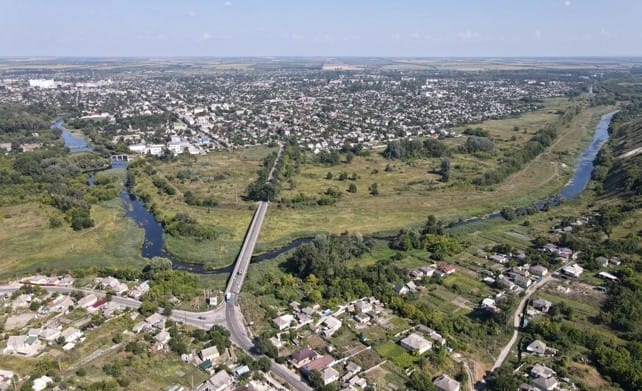
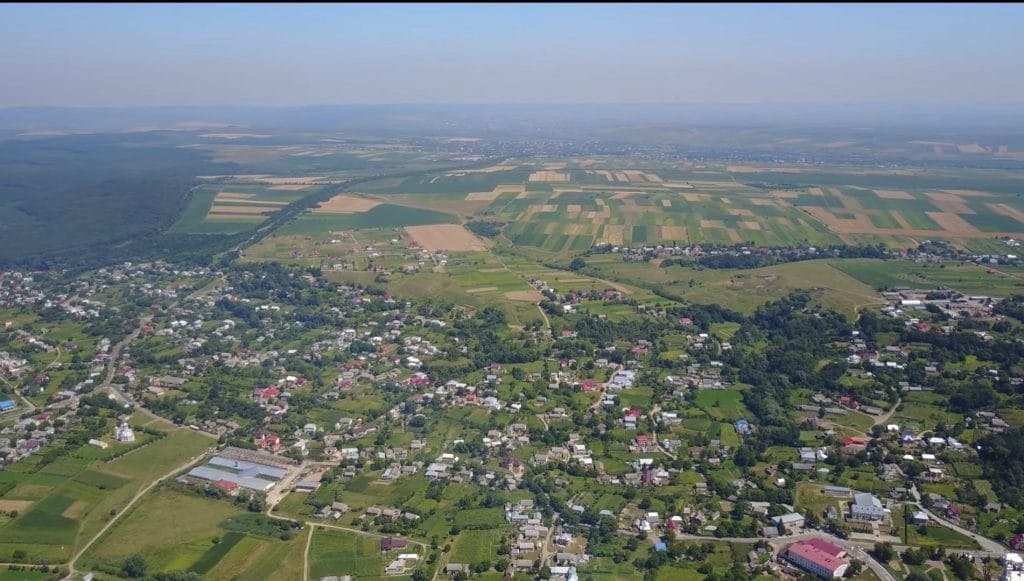
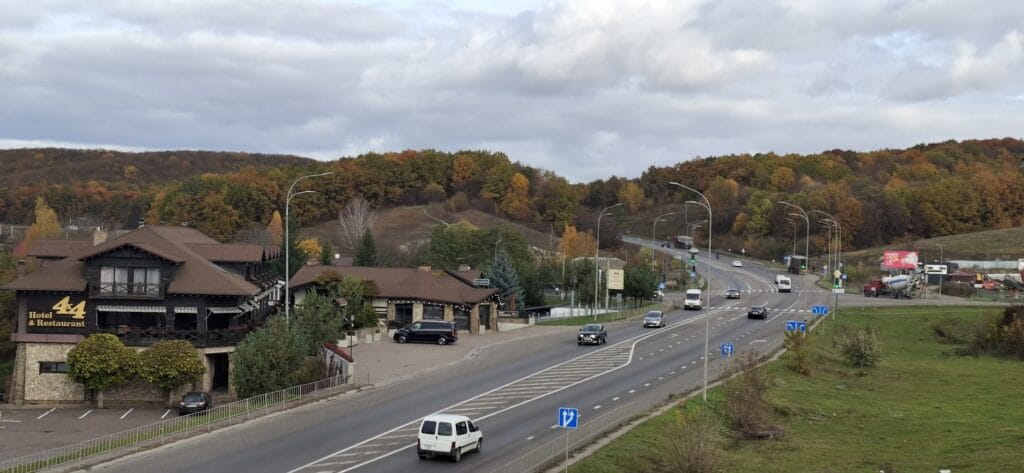
The Zazymia Community is situated in Brovary Raion, Kyiv Oblast.
Total area: 258.2678 sq km.
Population: 11,703
Women: 6,221
Men: 5,482
Internally Displaced Persons (IDPs): 300
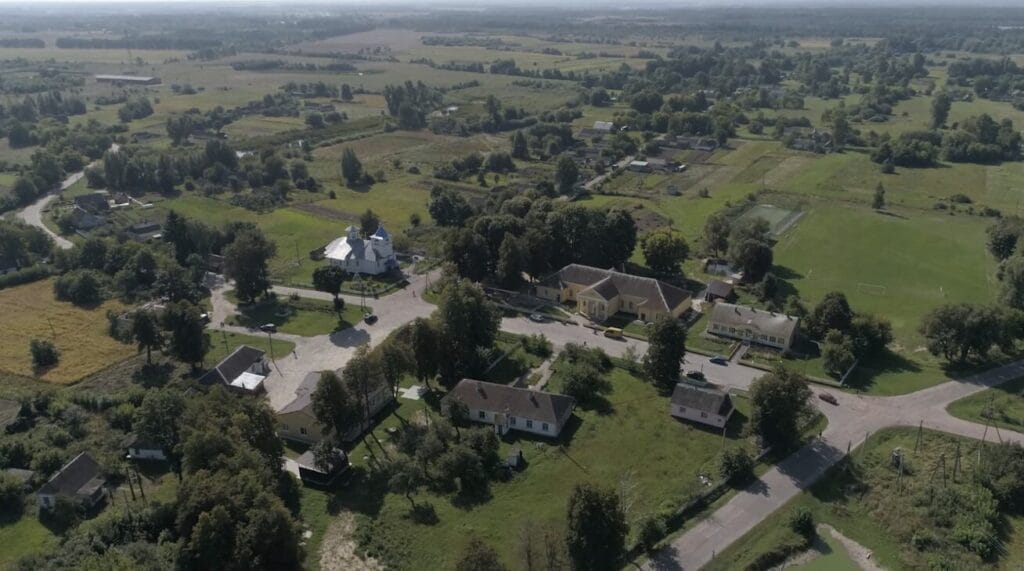
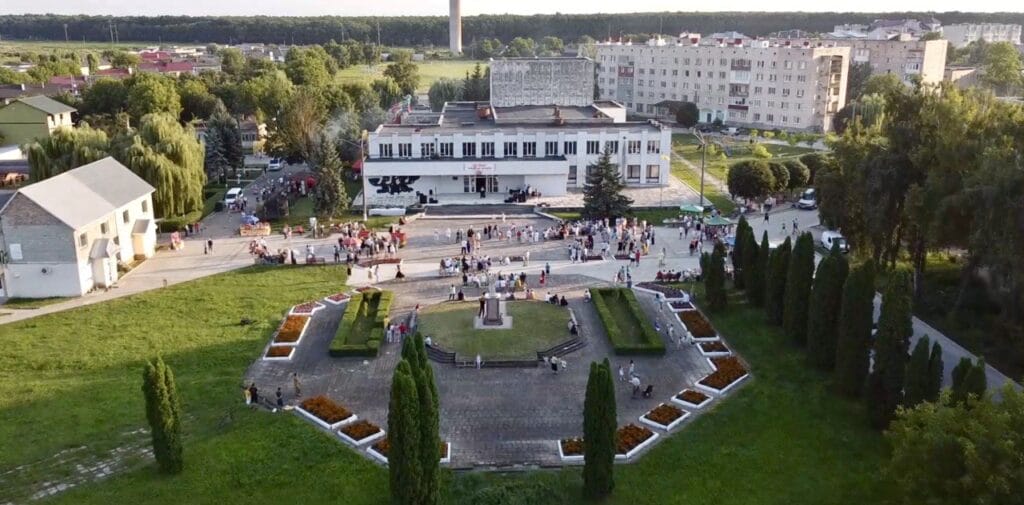
It consists of 7 settlements. The administrative centre of the community is located in the village of Zazymia.
Community People
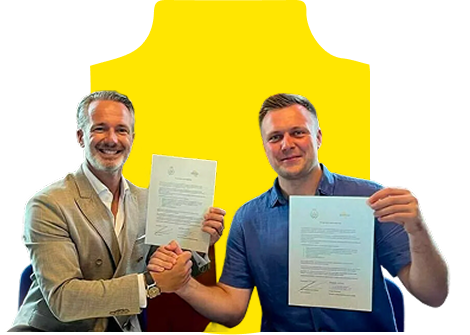
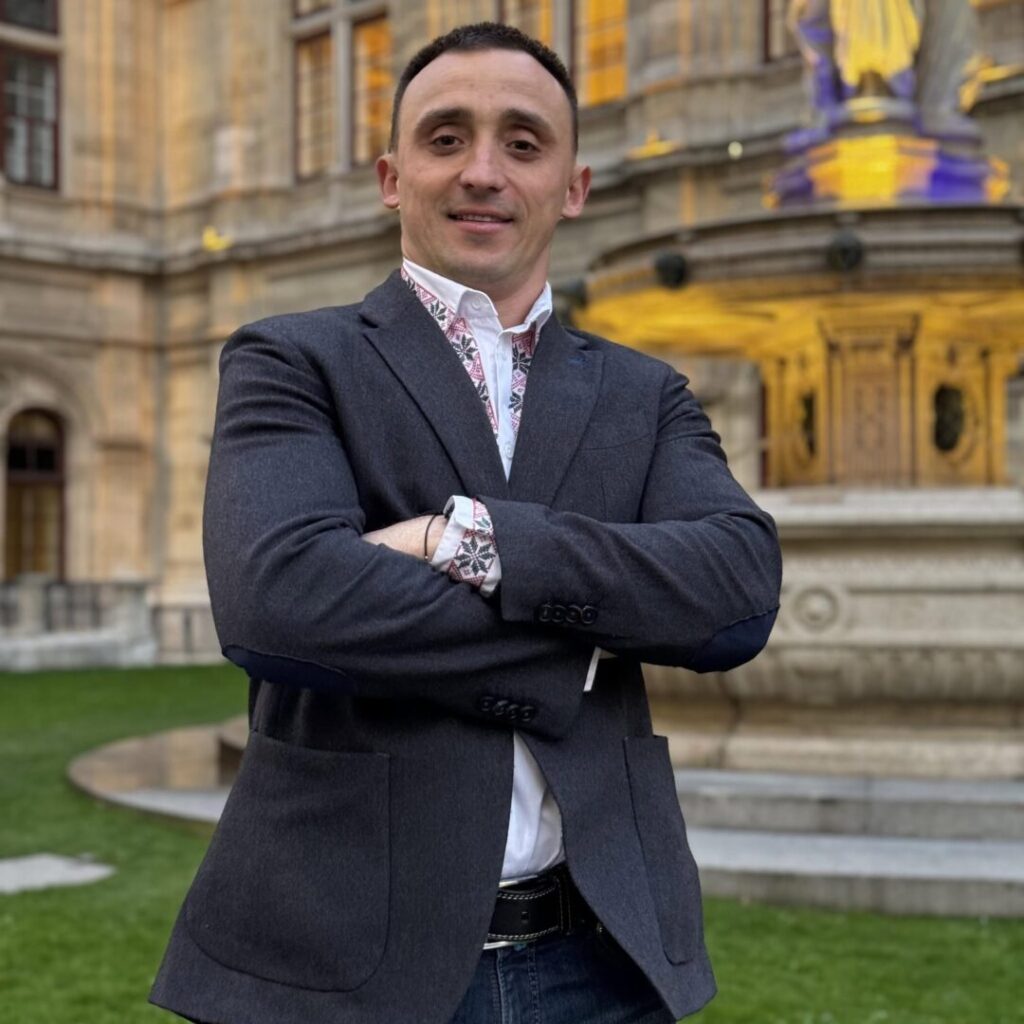
The community is led by Vitalii Krupenko, who has brought together local residents, businesses, elected representatives and the municipal administration around a shared vision of community development.
During Russia’s full-scale invasion of Ukraine, he demonstrated strong leadership in addressing the community’s security and humanitarian needs and supporting local defence efforts. He was also personally involved in evacuating residents from neighbouring occupied communities, helping to ensure their safe passage through humanitarian evacuation corridors. Open to dialogue and constructive feedback, he continues to focus on improving the business environment, strengthening the community’s financial capacity and developing international partnerships.
The community is home to prominent figures in Ukrainian sport and culture. Among them are Andrii Vorobei, a member of Ukraine’s national football team at the 2006 FIFA World Cup, and Dmytro Lovchynskyi, who represented Ukraine at the 2024 Olympic Games. Ukrainian singer Tina Karol is also associated with the community.
Volunteering is an important part of community life. The Volontery Prydesennia association actively supports Ukraine’s Armed Forces and contributes to organising annual festivals in the village of Pohreby, including Stars on Holiday and Patriot Family Fest.
Football, volleyball and boxing are among the most popular sports in the community. Local sports initiatives encourage an active lifestyle, promote youth engagement and help strengthen social ties among residents.


The Community and the War
Even before Russia launched its full-scale invasion of Ukraine on 24 February 2022, the Zazymia community had been preparing for the threat of military aggression and taking steps to organise local resistance. Following the invasion, volunteer self-defence units were formed in the community’s villages. They played an important role in protecting residents, maintaining local security and supporting Ukraine’s Defence Forces.
Residents of the Zazymia community made an active contribution to the defence of Kyiv Oblast, particularly as Russian troops advanced towards the community’s borders. The community also became an important centre of humanitarian support during the occupation of neighbouring territories. Local leaders and residents took part in evacuating civilians from occupied communities, including by helping organise and facilitate humanitarian evacuation corridors. The community provided assistance to internally displaced persons and delivered humanitarian aid to residents of neighbouring communities following their liberation. More than 1000 residents of the community are currently serving in Ukraine’s Defence Forces.
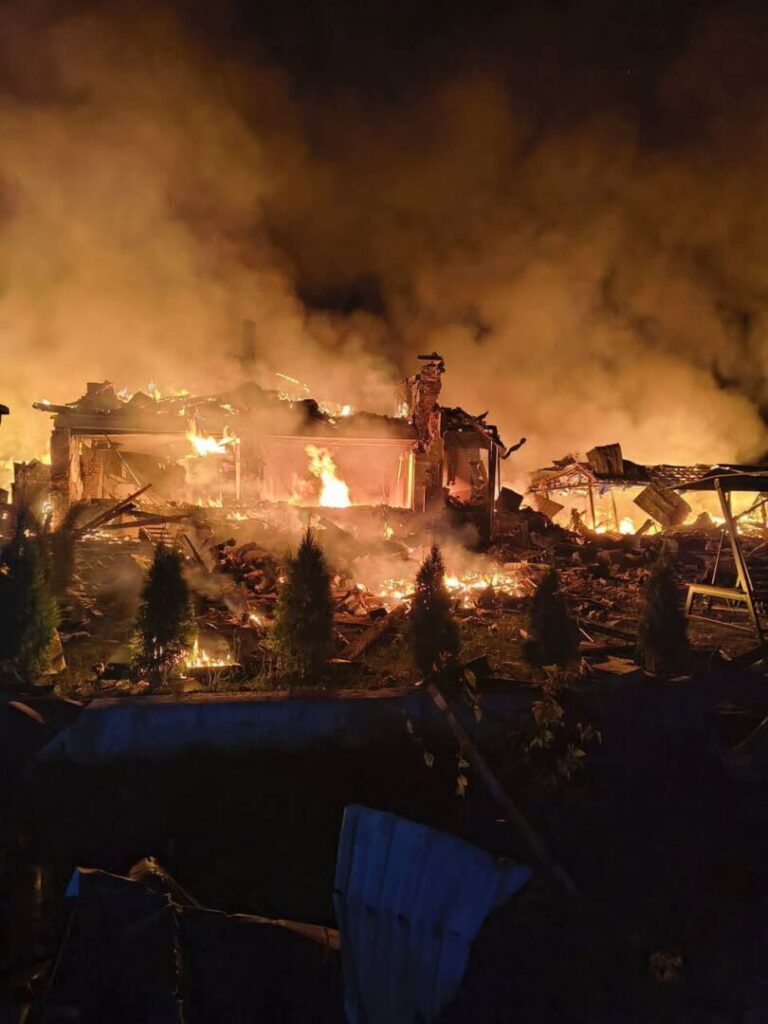
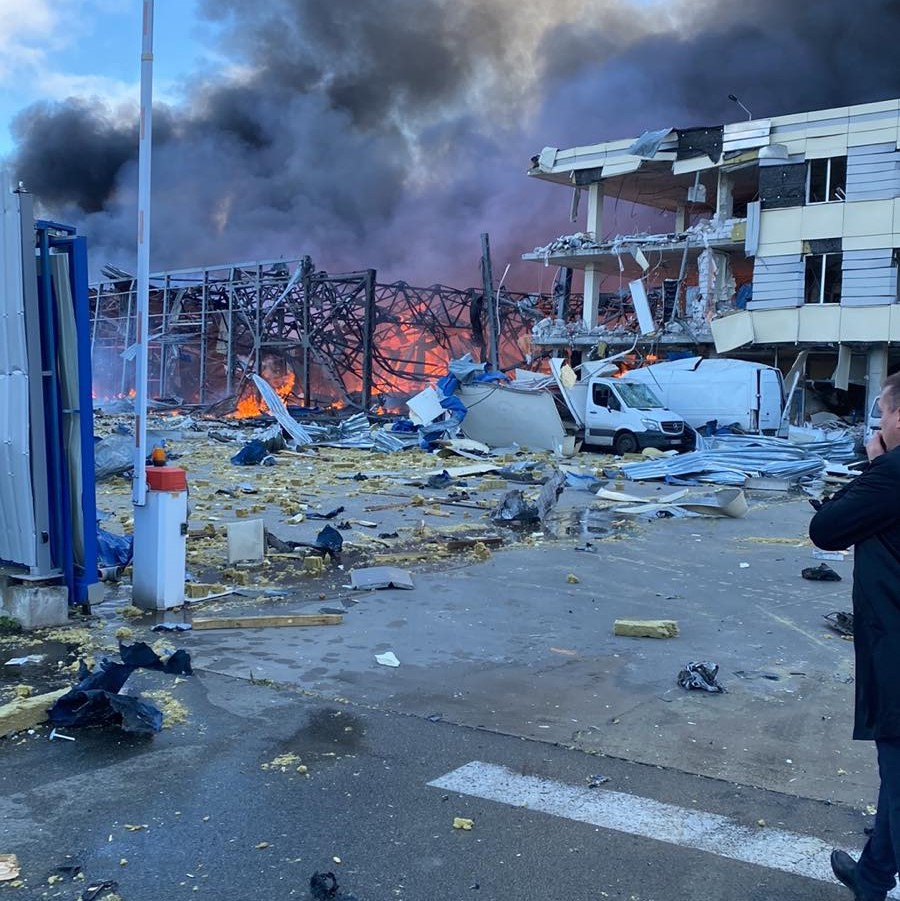
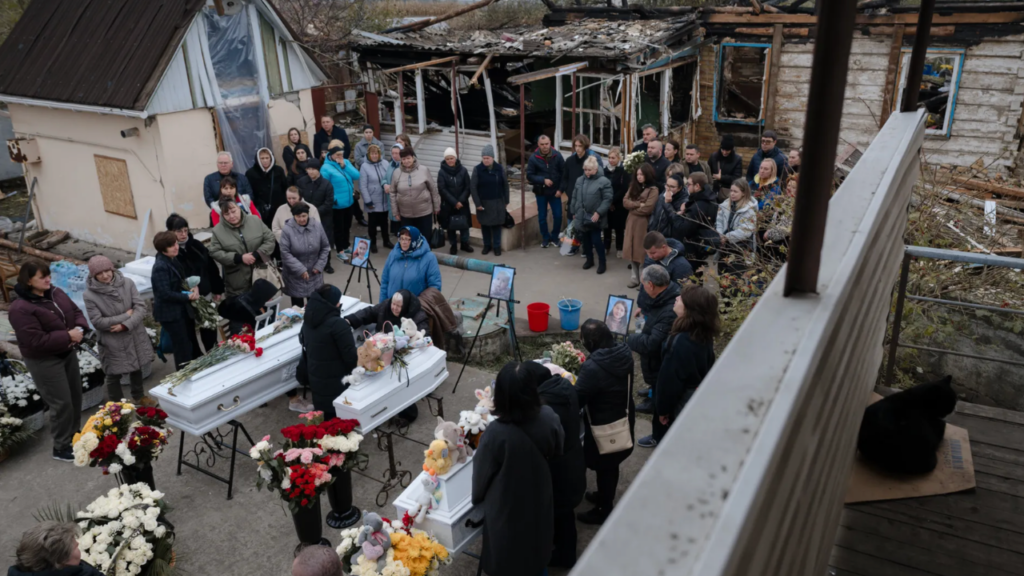
Since the beginning of the full-scale invasion, the community has repeatedly come under Russian missile and drone attacks. As a result, more than 20 residential buildings have been destroyed and approximately 300 others damaged. Six civilians have lost their lives and dozens have been injured. The attacks have affected not only residential areas but also critical municipal infrastructure.
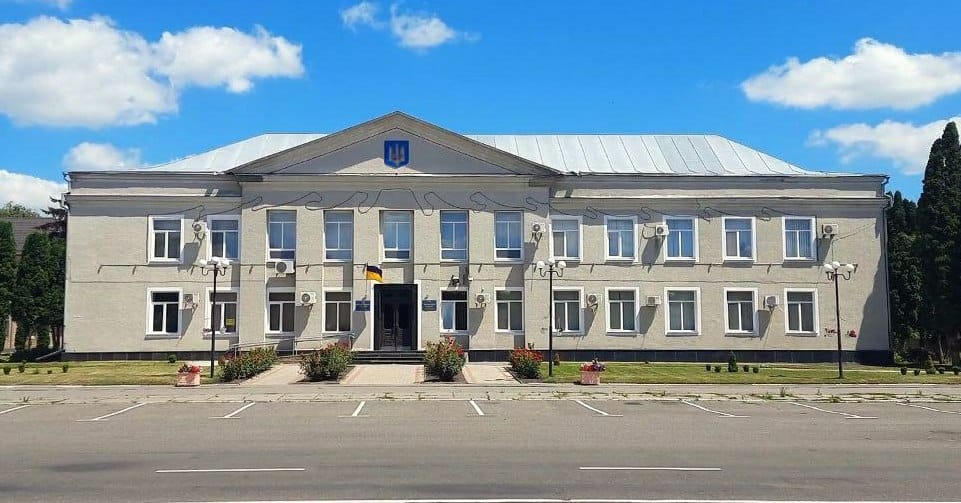
One of the attacks involving a Russian Shahed-type drone damaged a municipal building housing several departments of the village council, disrupting the work of the local administration. Residential properties were also severely affected, with homes sustaining shattered windows, damaged doors, collapsed ceilings and other structural damage. Local authorities, together with emergency response services, acted promptly to assist affected residents and coordinate emergency measures.
Despite the destruction, loss of life and ongoing security threats, the Zazymia community continues to operate, support its residents and contribute to Ukraine’s resilience. The experience of the full-scale war has demonstrated the community’s capacity for self-organisation, mutual support and coordinated action in the face of extraordinary challenges.


Priorities
Circular economy & waste management
The Zazymia community considers the development of an integrated waste management system and the transition towards a circular economy essential priorities for its sustainable development.
One of the key challenges is the development of modern wastewater treatment infrastructure. The community is exploring solutions for establishing a coordinated system of wastewater treatment facilities to improve environmental protection, reduce pollution risks and ensure the sustainable development of residential areas.
Another important priority is the introduction of separate waste collection, sorting and recycling. This is particularly relevant given the risks associated with Russia’s ongoing attacks, which may result in damage to or destruction of residential buildings, industrial facilities and other property. Effective solutions are needed to manage large volumes of construction debris and other waste generated during emergency response, demolition and reconstruction.
The community also aims to modernise its municipal vehicle fleet, including waste collection and other specialised equipment. Cooperation with neighbouring communities, businesses and international partners will be important in introducing modern technologies, developing recycling infrastructure and building an efficient, environmentally responsible waste management system.
Civil defence
Strengthening civil protection and community safety is one of the most important priorities for the Zazymia community. Its proximity to Kyiv, critical infrastructure and the Desna River, combined with the ongoing threat of missile and drone attacks, creates a need for comprehensive emergency preparedness.
A key priority is expanding the network of shelters and improving existing facilities, particularly in socially important public buildings such as schools and kindergartens. These facilities must provide safe and accessible protection for residents, especially children, during air raids and other emergencies.
The community also needs to modernise its fleet of specialised emergency vehicles, including fire engines and rescue equipment. An important long-term project is the establishment of a Community Public Safety Centre — an integrated facility bringing together an effective team of police officers, emergency responders and medical personnel, supported by appropriate vehicles, equipment and communication systems.
Such a centre would strengthen the community’s ability to respond to a wide range of emergencies, including Russian missile and drone attacks, potential flooding along the Desna River and other natural or man-made disasters. Investment in shelters, emergency services and coordinated response capabilities will help protect residents and ensure greater community resilience.
Digitalization
The Zazymia community sees digitalisation as a key instrument for improving local governance, the quality of municipal services and communication with residents. Its goal is to create a modern digital environment in which residents can access essential services conveniently, while local authorities can manage processes more efficiently and transparently.
One of the planned initiatives is the development of a community mobile application with personal user accounts. It would provide residents with convenient access to important municipal services, local information, notifications and communication channels with the local administration. The application could also become an important tool for promoting the community, strengthening its public image and keeping residents informed about local initiatives and development opportunities.
Further priorities include expanding the range of municipal services available online, improving the electronic document management system and introducing digital tools for internal administrative processes. The community also aims to make better use of open data and digital platforms for public participation, transparency and monitoring of development projects.
These initiatives will help build a more accessible, efficient and resident-oriented local government, while strengthening the community’s digital capacity and attractiveness for residents, businesses and potential partners.
Healthcare services
Improving access to quality healthcare is an important priority for the Zazymia community, particularly in view of its growing population and the increasing demand for primary healthcare services.
The community aims to strengthen the capacity and efficiency of its local primary healthcare facilities, improve their equipment and ensure that residents can receive timely medical assistance close to home. Considerable progress has already been made in providing local outpatient clinics with dedicated specialised vehicles, helping medical teams reach patients in different villages and respond more effectively to their needs.
Future development will focus on further improving the material and technical resources of healthcare facilities, supporting medical professionals and expanding preventive healthcare services. Cooperation with neighbouring communities and healthcare institutions also offers opportunities for joint programmes in public health, early diagnosis and disease prevention.
Particular attention is needed to mental health and psychological support, including assistance to people affected by the war and initiatives aimed at preventing burnout among healthcare professionals. The community is interested in developing modern, accessible and coordinated healthcare services that respond to the needs of all residents.
Tourism
The Zazymia community has considerable potential for developing nature-based, recreational and cultural tourism. Its distinctive geographical location, with the Desna River flowing along one side of the community and extensive forest areas stretching along the other, creates favourable conditions for outdoor recreation and sustainable tourism.
The community’s proximity to Kyiv provides an additional advantage, making it an attractive destination for short trips, weekend recreation and nature-based activities for residents of the capital and the wider region. The Desna floodplains, forests, meadows and the unique Liubychev Island offer opportunities for walking, cycling, kayaking, birdwatching and other forms of active recreation.
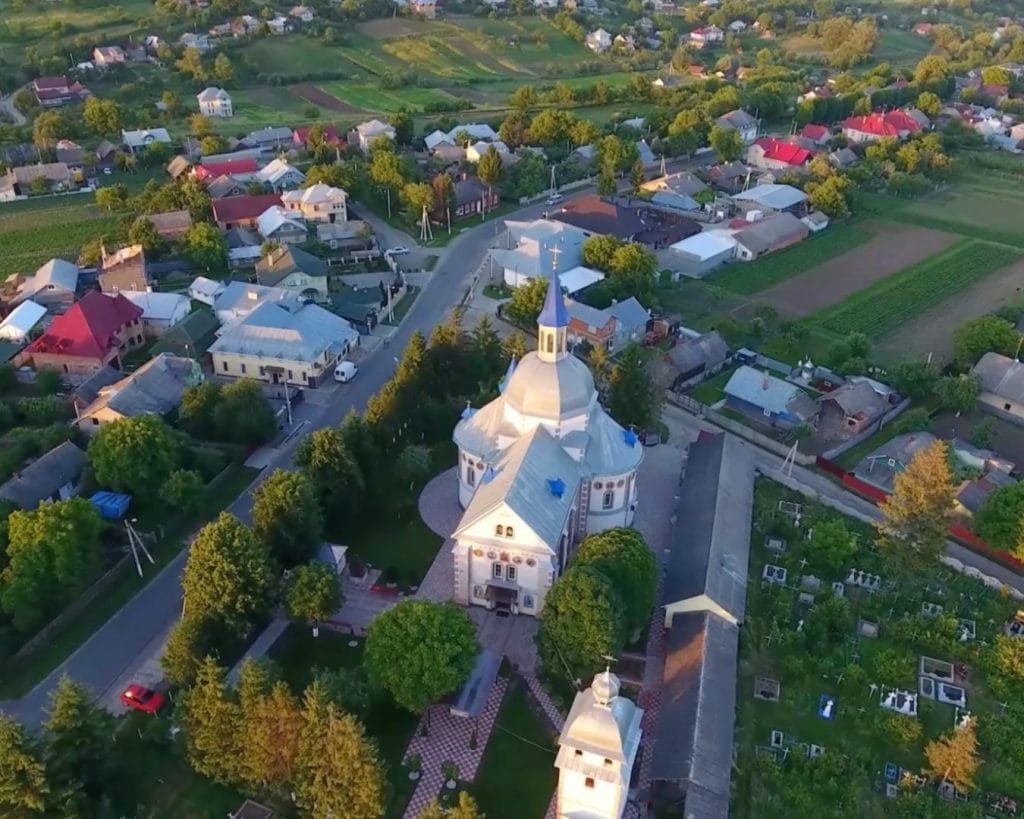
The area also has a rich historical and cultural heritage, including the 160-year-old Holy Resurrection Church in Zazymia, archaeological sites and the historical traditions of the Prydesennia region. These assets provide a foundation for developing cultural and educational tourism alongside nature-based activities.
The community sees promising opportunities in creating and equipping tourism destinations, developing a network of marked tourist routes and preparing a comprehensive digital map of local attractions. Digital tools could help visitors discover places of interest, plan routes and access information about local heritage, natural sites and recreational opportunities.
The long-term goal is to develop tourism as an additional driver of the local economy, supporting small businesses, creating new employment opportunities and promoting the natural and cultural identity of the Zazymia community while ensuring the preservation of its unique landscapes.
History
The history of the villages that make up the Zazymia community dates back to the era of Kyivan Rus, although archaeological discoveries indicate that people inhabited this area long before its formation.
The territory of present-day Brovary Raion, along the left bank of the Desna River, contains traces of ancient settlements, including those belonging to the Trypillian culture. In the village of Litochky, which lies within the Zalissia National Nature Park, the remains of an ancient settlement have been identified. Although the site has not yet been thoroughly explored, its location on the high bank of the Desna suggests that it may once have held strategic importance.
Not far from Litochky, between the villages of Litky and Litochky, lies Liubychev Island, recognised as the largest river island in Ukraine. Its largely untouched natural landscapes, including meadows, old-growth trees and diverse wildlife, make it a remarkable natural asset of the region.
In the mid-ninth century, Kyivan Rus emerged as a powerful state, and the lands of present-day Zazymia community became part of its historical territory, known as Podesennia. In the twelfth century, the region was caught up in conflicts between the princes of Kyiv and Chernihiv. The forests along the Desna were rich in wildlife, berries and mushrooms, while the river’s floodplains offered fertile pastures and abundant fishing grounds. These natural resources made the area attractive to the princes, who used it for hunting and fishing.
According to historical records, the settlement of Zazymia has particularly deep roots. It is believed to have been founded in the 1120s under the name Zazymovie. One explanation of its name links it to its location beyond the prince’s winter residence — za zymovym dvorom kniazia in Ukrainian.
In 1240, the region, like much of Kyivan Rus, suffered devastation during the Mongol invasion. In the fourteenth century, the Grand Duchy of Lithuania gradually extended its authority over these lands. Following the Battle of Blue Waters in 1362, the territory became part of the Lithuanian state. However, the Kyiv region continued to face frequent raids by Crimean Tatars. In 1494, one such raid devastated the lands between Kyiv and Chernihiv, destroying Zazymia. The settlement was mentioned again in historical records in 1615, following its restoration.
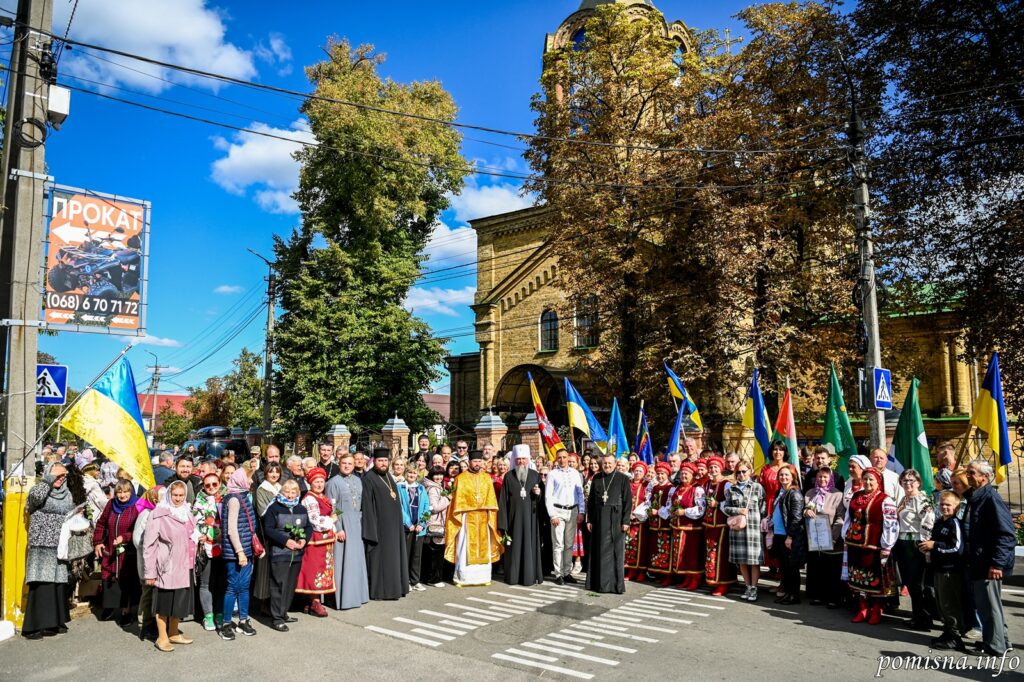
One of the most prominent historical landmarks in the community is the Holy Resurrection Church in the centre of Zazymia. Its construction, featuring distinctive yellow-brick masonry and three altars, was completed in 1875. The previous wooden church was moved to the neighbouring village of Pohreby, where it remained until the Soviet era.
In 2025, the Holy Resurrection Church celebrated the 160th anniversary of its construction. The milestone was marked on 27 September with a solemn Divine Liturgy led by His Beatitude Metropolitan Epiphanius of Kyiv and All Ukraine, Primate of the Orthodox Church of Ukraine, who visited Zazymia for the occasion. The celebration highlighted the church’s enduring role not only as an architectural and historical landmark, but also as an important centre of spiritual life and community identity.
The history of Zazymia and the surrounding villages reflects the wider story of Podesennia — a region shaped by the rise of Kyivan Rus, princely rivalries, the Mongol invasion, Lithuanian rule and the many subsequent chapters of Ukrainian history. Today, its archaeological sites, historic landmarks and distinctive natural landscapes remain an important part of the Zazymia community’s heritage.


Development Strategy
In 2024, the Zazymia Community approved a Strategic Development Plan aimed at creating comfortable living, working and recreational conditions. The main areas of community development are economic growth, social welfare and environmental safety.The community’s key projects include developing tourism, improving the investment climate, supporting entrepreneurship, and creating conditions for opening new businesses. An important task is the construction of a modern Administrative Service Centre, which will expand the range of services available to residents.
The community pays special attention to international cooperation, establishing partnerships with European communities to share experiences and implement joint projects. The Zazymia Community is open to new opportunities and strives for sustainable development in all areas of life.

Economy and Welfare
The Zazymia community benefits from its strategic location close to Kyiv, providing businesses with convenient access to the capital’s large consumer market, workforce and transport connections. This proximity has encouraged the development of logistics facilities, warehouses, retail businesses and companies serving the local population.
The community’s economy is gradually recovering and diversifying following the impact of Russia’s full-scale invasion. One of the largest enterprises operating in the area before the war was a branch of Brovary-based PNVK INTERBUSINESS, specialising in poultry farming and egg production. The company is now actively working to resume its operations, contributing to the recovery of local economic activity.
New investment projects are also planned, including facilities for the production of bathroom furniture and doors. In recent years, the community has seen the emergence of new supermarkets, a concrete production facility, a fitness centre, a tennis club and other commercial and social infrastructure. These developments reflect growing demand for goods and services and contribute to improving the quality of life for residents.
The community’s economic development is supported by approved Master Plans for most of its villages and a Strategic Development Plan, which provide a framework for spatial planning, investment attraction and sustainable growth. The area remains attractive for residential development, with new neighbourhoods and housing projects emerging in response to population growth and demand for housing.
Several residential developments are already underway or completed across the community. Two residential complexes have been commissioned in Zazymia, while two more are under construction in Rozhny and another in Pohreby. Discussions are also ongoing regarding a new apartment building project.
With its proximity to Kyiv, established business activity, available development opportunities and strategic planning framework, the Zazymia community offers promising conditions for further investment, business expansion and the development of modern infrastructure.


Sources
Official website of the Zazymia Community: zotg.gov.ua
Dmytro Lovchynskyi’s Facebook page: facebook.com
YouTube channel KRYVOBOK: youtube.com
Website of the Retailers Association of Ukraine: rau.ua
Facebook page of the Resurrection Church in the village of Zazymia: facebook.com/zazimye.church
Similar
Load all